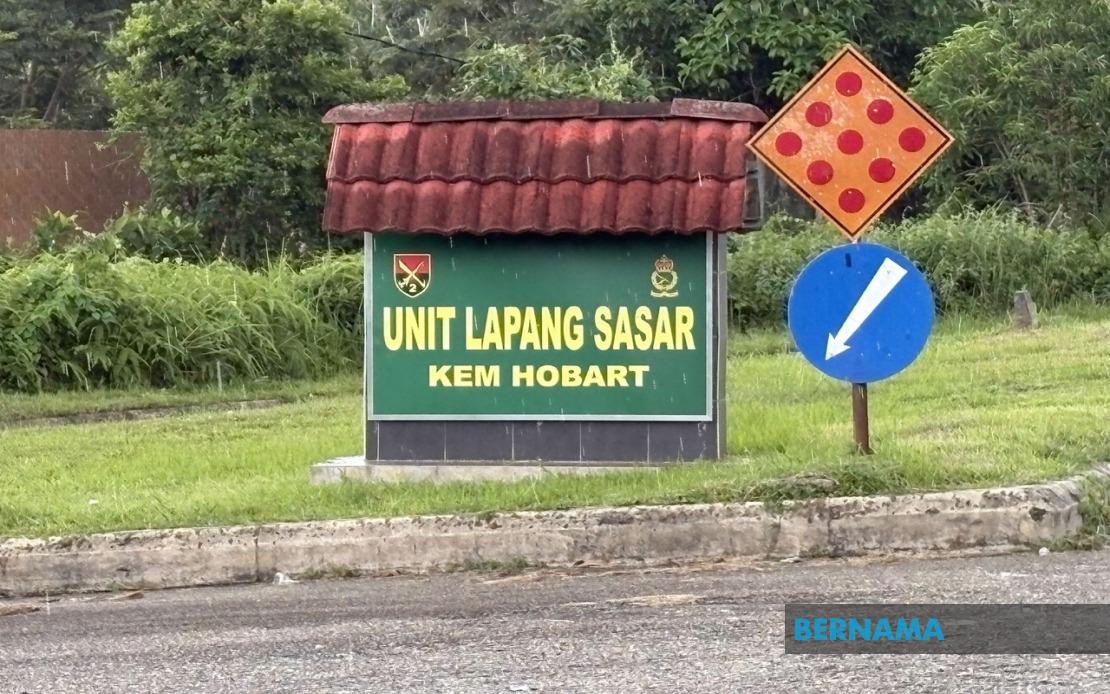
A training exercise at Hobart Camp in Gurun turned tragic on June 16 when an explosion claimed the lives of two Malaysian Army personnel, prompting authorities to launch a comprehensive investigation into the incident. The explosion occurred at approximately 10.57 am during a grenade-throwing exercise conducted under the Combat Enhancement Training programme of the First Squadron, Royal Malaysian Engineers Regiment, part of the Second Infantry Division. The fatalities have raised fresh concerns about safety protocols during military weapons training in Malaysia, a routine but inherently high-risk activity conducted across the country's defence establishments.
The two soldiers who lost their lives were identified as Corporal Norazmi Abu Bakar from the Sixth Battalion of the Royal Malay Regiment and Private Siti Khadijah Sungip from the First Squadron of the Royal Malaysian Engineers Regiment. Both were sustaining injuries consistent with blast trauma when emergency responders arrived at the scene. Despite immediate evacuation to the Sultan Abdul Halim Hospital in Sungai Petani, neither personnel could be resuscitated, and both were pronounced dead while en route to medical facilities. The incident marks a significant loss for the armed forces and has prompted rapid mobilisation of investigative resources to determine what went wrong during the exercise.
ACP Hanyan Ramlan, the Kuala Muda police chief, outlined the investigative approach during a briefing at the hospital's Forensic Department. The police have classified the case as a sudden death report investigation, a standard protocol for unexpected fatalities that requires comprehensive documentation and analysis. Authorities are prioritising the collection of eyewitness accounts from personnel who were present at Hobart Camp during the exercise, recognising that firsthand observations will be crucial to reconstructing the sequence of events leading to the explosion. The police chief emphasised that investigators will pursue full cooperation from all relevant parties to ensure a thorough and unbiased inquiry.
The use of grenades in military training is a standard component of combat readiness programmes across Southeast Asia, including Malaysia, but accidents involving explosive devices represent a persistent operational hazard. Training exercises involving live grenades require meticulous adherence to safety procedures, including proper distance maintenance, correct handling techniques, and continuous supervision by qualified personnel. The incident at Hobart Camp raises questions about whether all established safety measures were observed during the grenade-throwing exercise and whether additional safeguards might be warranted. The Malaysian Army has not yet released preliminary findings regarding potential contributing factors.
Post-mortem examinations have been scheduled at the Sultanah Bahiyah Hospital in Alor Setar, where forensic pathologists will conduct detailed assessments to establish the precise cause of death and the nature of injuries sustained. These findings will provide critical scientific evidence for the police investigation and may reveal whether the explosion resulted from defective equipment, procedural error, or other factors. The coroner's report will likely be instrumental in determining whether charges or disciplinary measures should be pursued against any individuals or organisations involved in planning or executing the training exercise. Family members of the deceased have been notified, though their identities and circumstances remain subject to ongoing privacy considerations.
The incident illuminates the broader challenge facing military organisations in balancing operational readiness with personnel safety. Training exercises are essential for developing combat capabilities and ensuring soldiers can perform effectively in crisis situations, yet they inherently expose participants to elevated risk. Across the region, defence establishments have increasingly scrutinised training protocols following accidents, implementing additional technical safeguards, enhancing instructor qualifications, and strengthening medical support infrastructure. Malaysia's armed forces may face pressure to review their own safety standards in the wake of this tragedy, particularly regarding weapons training programmes that employ live explosives.
Hobart Camp in Gurun, which serves as a significant training facility for Malaysian military units, will likely face heightened oversight as the investigation progresses. Military commanders at the facility are expected to cooperate fully with police inquiries and may implement temporary modifications to training schedules pending the completion of investigative work. The camp's operational environment and training procedures may be subject to external review by defence ministry officials or other authorised bodies seeking to identify any systemic issues that contributed to the accident. Such scrutiny is standard practice following fatal incidents at military installations throughout the region.
The deaths underscore the inherent dangers faced by military personnel engaged in essential training activities. Service members who participate in weapons training programmes accept elevated occupational risks as part of their commitment to national defence, yet society bears a collective responsibility to minimise preventable accidents through rigorous safety management. The incident will likely resonate across Malaysia's defence community, reinforcing the importance of strict adherence to established safety protocols and the continuous assessment of training methodologies. Both soldiers died while serving their country in a capacity directly related to military readiness, a circumstance that will shape public and institutional responses to the tragedy.
Investigators will examine maintenance records for all equipment used during the exercise, training documentation for personnel involved, and environmental conditions at Hobart Camp on the day of the incident. The police investigation may coordinate with military investigators conducting a parallel enquiry, with findings potentially informing broader policy decisions regarding military training safety. The Malaysian public will be awaiting clarity on the circumstances surrounding the explosion, particularly whether accountability measures are warranted and what preventive measures will be implemented to reduce the likelihood of similar incidents occurring at other military installations.
For Malaysian readers and the Southeast Asian defence community more broadly, this incident serves as a sobering reminder that training fatalities remain a persistent concern despite technological advances and improved safety awareness. The investigation will provide valuable lessons applicable across regional military establishments, with findings likely influencing how neighbouring countries conduct similar weapons training programmes. The commitment of authorities to conduct a thorough investigation demonstrates institutional accountability and recognition that the public deserves clear answers regarding how two soldiers lost their lives during a routine training exercise designed to enhance national security capabilities.