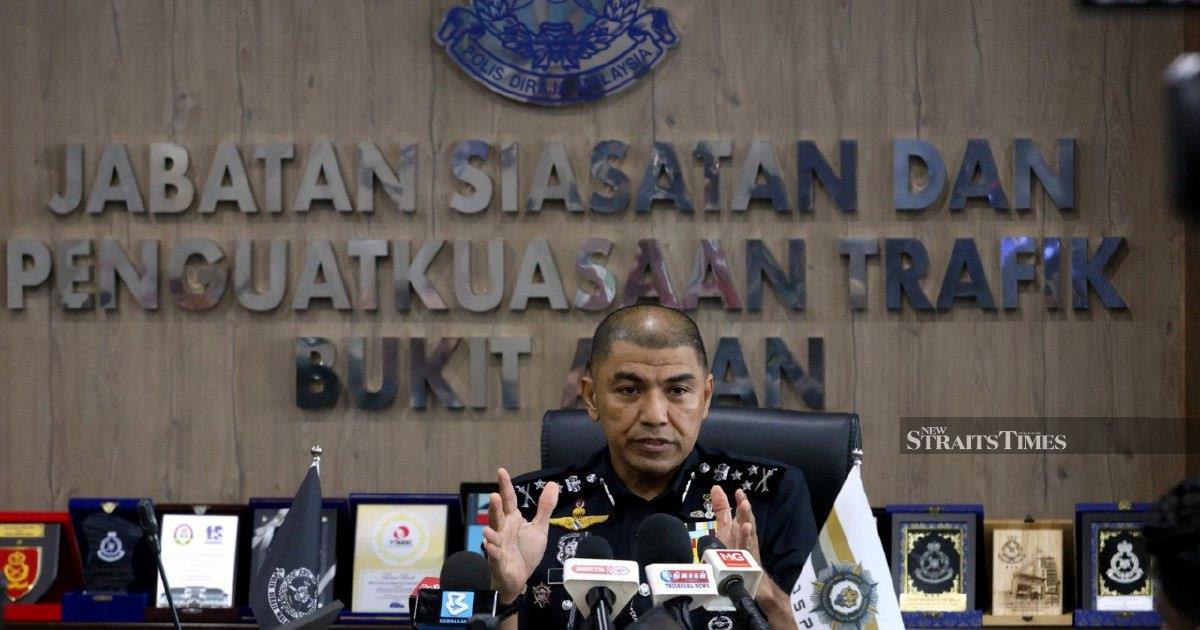
Malaysian police have intensified their battle against impaired driving, securing 121 arrests of commercial vehicle operators allegedly driving under the influence of controlled substances during a coordinated national enforcement initiative spanning the past three months. The scale of the operation underscores mounting alarm within law enforcement circles about the prevalence of drug-related impairment among drivers of heavy commercial vehicles, a category whose actions carry disproportionately high consequences for public safety given the tonnage and complexity of vehicles they operate.
The integrated enforcement operation represents a substantial police effort to address what authorities perceive as a systemic problem within the commercial transport sector. Heavy vehicle operators—including those piloting large trucks, buses, and other commercial transport—face particular scrutiny because the consequences of impaired decision-making behind the wheel of their vehicles extend far beyond individual safety to encompass entire traffic corridors and potentially multiple fatalities. The three-month timeframe of the operation suggests this was not a sporadic or limited intervention but rather a sustained and strategic campaign targeting the problem across multiple jurisdictions and operational zones.
For Malaysian road users and the broader logistics ecosystem, these findings carry significant implications. The commercial transport sector forms the backbone of Malaysia's supply chain, with countless drivers shuttling goods and passengers across the peninsula and to neighbouring regions daily. When a substantial proportion of these operators are found to be potentially impaired by drugs, it raises uncomfortable questions about the adequacy of existing screening mechanisms, workplace protocols, and regulatory oversight. The fact that police felt compelled to launch such a comprehensive operation suggests previous enforcement efforts may have been insufficient or that the problem has grown beyond conventional monitoring capacity.
The targeting of commercial vehicle drivers also reflects evolving patterns of drug abuse in Malaysia. Rather than representing a separate criminal category, these drivers are part of the broader population subject to substance dependency and addiction challenges. The demanding nature of long-haul driving—requiring sustained concentration over extended periods—may create circumstances where operators turn to stimulants or other substances to maintain alertness, establishing a vicious cycle of dependency and dangerous road behaviour. Understanding these underlying pressures is essential for developing interventions that address root causes rather than merely punishing symptoms.
From a public health perspective, the arrests highlight the intersection between drug abuse, occupational stress, and road safety. Commercial drivers often work under punishing schedules, facing pressure to meet delivery deadlines while managing fatigue across multiple shifts. This occupational environment may inadvertently create demand for substances that promise enhanced wakefulness or relief from stress, making the transport sector particularly vulnerable to drug dependency. Addressing impaired driving among this demographic therefore requires not just law enforcement but also coordinated approaches involving employers, industry bodies, and healthcare providers.
The operation also raises questions about workplace drug testing protocols within the commercial transport industry. Many developed economies maintain mandatory or regular drug screening for commercial vehicle operators as a standard practice. The magnitude of arrests suggests that either such protocols are not uniformly implemented across Malaysia's transport sector, or that they exist but require strengthening. Industry standards and employer accountability mechanisms may need reviewing to ensure consistent application of safety measures across different fleet operators and company sizes.
From a regulatory standpoint, these arrests provide concrete data that authorities can use to refine enforcement priorities and resource allocation. Police can analyse the geographical distribution of arrests, identify high-risk routes or regions, and coordinate with local authorities to establish targeted interventions. The operation also generates intelligence about which substances are most prevalent among commercial drivers, information valuable for public health campaigns and drug interdiction efforts more broadly.
For the logistics and transport industry, the crackdown carries both direct and indirect consequences. Directly, individual operators and their employers face legal proceedings and potential licence suspensions or revocations. Indirectly, the operation draws regulatory and public scrutiny to industry practices, potentially prompting stricter compliance requirements and oversight mechanisms. Responsible operators and fleet managers may welcome enforcement activity that removes impaired competitors from the road, as it creates a more level playing field and reduces accident risks that could damage industry reputation.
The three-month duration of this operation also suggests it was sufficiently resourced and prioritised within police operations planning. Sustaining enforcement activity over such a period requires dedicated personnel, coordination across multiple police units and districts, and sustained attention from senior leadership. This level of commitment indicates that authorities view impaired driving among commercial operators as a significant threat to road safety and public order, worthy of substantial investment in detection and intervention.
Looking forward, these arrests should prompt broader conversations about how Malaysia's transport sector approaches driver welfare, fatigue management, and substance abuse prevention. Effective solutions likely require collaboration between police, employer bodies, trade unions, public health authorities, and driver support services. Education campaigns targeting commercial drivers themselves could help normalise discussions around substance dependency and create pathways to treatment rather than purely punitive responses. Simultaneously, enforcement must remain consistent and credible, with clear consequences that deter potential offenders.
The operation ultimately reflects a maturing police approach to road safety that recognises impaired driving—whether from alcohol, drugs, or fatigue—as a serious public safety issue deserving systematic, sustained attention. For Malaysian drivers and passengers, knowing that authorities are actively targeting impaired commercial vehicle operators should provide some reassurance, though the scale of arrests also serves as a sobering reminder that dangers persist on Malaysian roads. The challenge now lies in converting these enforcement successes into lasting improvements in industry practices and driver behaviour.

