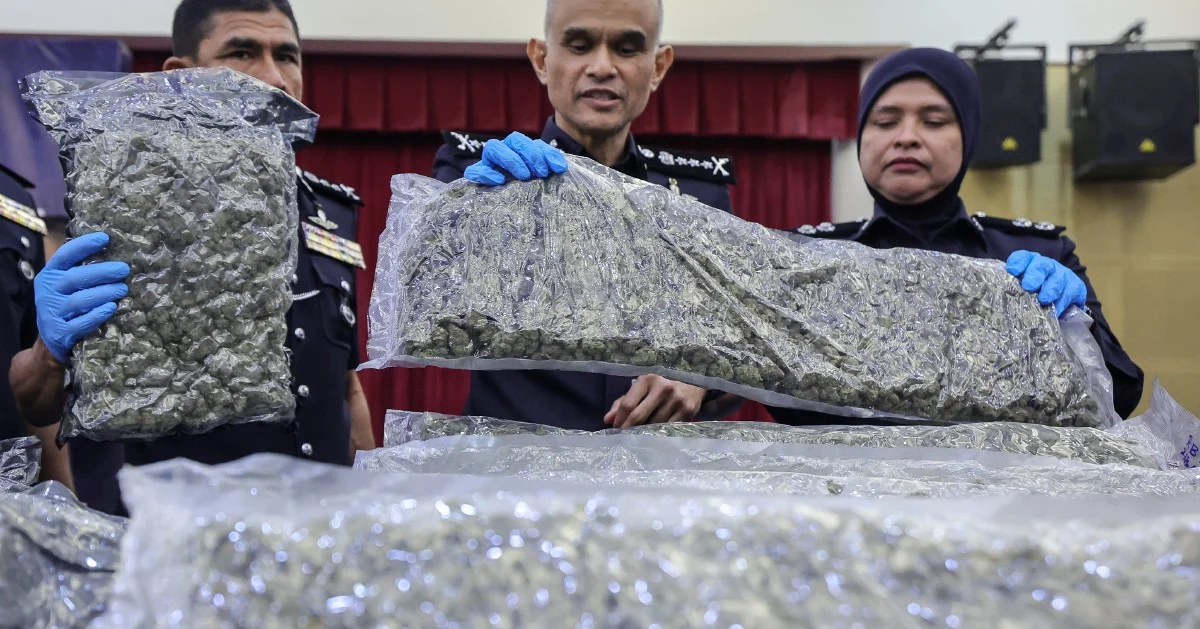
Law enforcement authorities have dismantled a substantial cannabis trafficking network operating through Kuala Lumpur International Airport, confiscating more than 650 kilograms of the controlled substance during operations that commenced in January. The enforcement drive has resulted in the apprehension of 38 individuals, a group encompassing both Malaysian citizens and foreign nationals with alleged involvement in the illicit drug trade.
The successful interception at KLIA represents a significant achievement in Malaysia's ongoing battle against drug smuggling through its primary international air gateway. The scale of the seizure underscores the persistent challenge posed by transnational trafficking organisations that exploit airport infrastructure to move contraband across borders. The cannabis buds, valued at a substantial amount in the illegal market, would have represented a considerable supply to domestic drug networks had the shipment successfully cleared customs.
The diversity of the suspect pool—encompassing foreigners alongside Malaysian nationals—points to the increasingly networked nature of regional drug trafficking. Intelligence suggests these operations often involve sophisticated coordination between supply-side producers, international couriers, and distribution networks within Malaysia. The arrest pattern indicates that authorities have successfully penetrated multiple layers of the trafficking chain, disrupting connections that extend beyond Malaysia's borders and potentially implicating suppliers in source countries across Southeast Asia.
The January-to-present timeframe for these operations indicates a sustained, methodical enforcement approach rather than isolated busts. Customs and police coordination at KLIA has evidently intensified, with officers deployed to identify shipments through baggage screening, parcel inspection, and intelligence-led interventions. This multi-month operation demonstrates how consistent targeting of high-traffic transit points can accumulate meaningful seizures that disrupt criminal supply chains.
For Malaysia, the KLIA operation carries broader implications for the nation's drug control reputation and public health policy. Cannabis trafficking has evolved from primarily domestic concerns to incorporate significant international dimensions, with airports serving as critical chokepoints where enforcement can yield outsized impact. The government's commitment to interdicting such shipments reflects a zero-tolerance stance that Malaysia maintains despite global shifts toward cannabis decriminalization in some jurisdictions.
The apprehension of foreign nationals suggests these networks recruit international participants, likely offering them transportation roles or middleman positions within the distribution hierarchy. This globalised recruitment pattern complicates enforcement, requiring coordination with foreign law enforcement agencies and highlighting the necessity of international intelligence-sharing frameworks that Malaysia participates in through regional bodies and bilateral agreements.
The 38 arrests signal that authorities are pursuing comprehensive prosecutions extending beyond the immediate seizure point. Post-arrest investigation typically reveals the full extent of individual criminal involvement, with further charges emerging as law enforcement traces financial flows, communication records, and supply relationships. Prosecutors will likely pursue conspiracy charges alongside drug trafficking offences, with sentencing potentially reflecting the quantity seized and the sophistication of the operation.
The cannabis seizure also reflects shifting trafficking patterns, as organised crime groups adapt their methods in response to enhanced enforcement at traditional smuggling routes. KLIA's status as a major regional hub means it inevitably attracts trafficking attention, making sustained investment in detection capabilities and intelligence analysis essential for maintaining interdiction effectiveness. The persistence of large seizures—despite awareness that the airport is a law enforcement priority—indicates the substantial profit margins involved in trafficking, which create incentives for groups to continue attempting transshipments despite significant arrest and seizure risks.
For regional security, the operation carries significance insofar as it demonstrates Malaysia's capacity and commitment to disrupting the logistics infrastructure that transnational drug organisations depend upon. Southeast Asia's geographic position as both a transit zone and consumption market makes countries like Malaysia critical frontiers in the broader international drug war. The KLIA seizure and arrests contribute to the deterrent effect that effective enforcement generates, theoretically raising the operational costs and risks for trafficking groups considering Malaysian routes.
The investigation continues to unfold, with authorities likely to pursue additional charges and financial investigations into the proceeds generated by the trafficking operation. Digital forensics, financial tracking, and interviews with detained suspects will potentially reveal the identity and location of higher-level organisers, many of whom typically operate from jurisdictions outside Malaysia. This intelligence could inform international law enforcement efforts and contribute to broader regional strategies targeting trafficking infrastructure.
Moving forward, the scale of the KLIA operation signals the continued viability of the airport as a trafficking transit point, even under active interdiction efforts. This reality suggests that law enforcement agencies must maintain vigilant enforcement levels while simultaneously developing increasingly sophisticated detection methodologies. The 650-kilogram seizure represents progress, but the persistence of trafficking attempts indicates that the underlying profit incentives and market demand that drive drug crime remain formidable forces requiring sustained, well-resourced counter-narcotics strategies.

