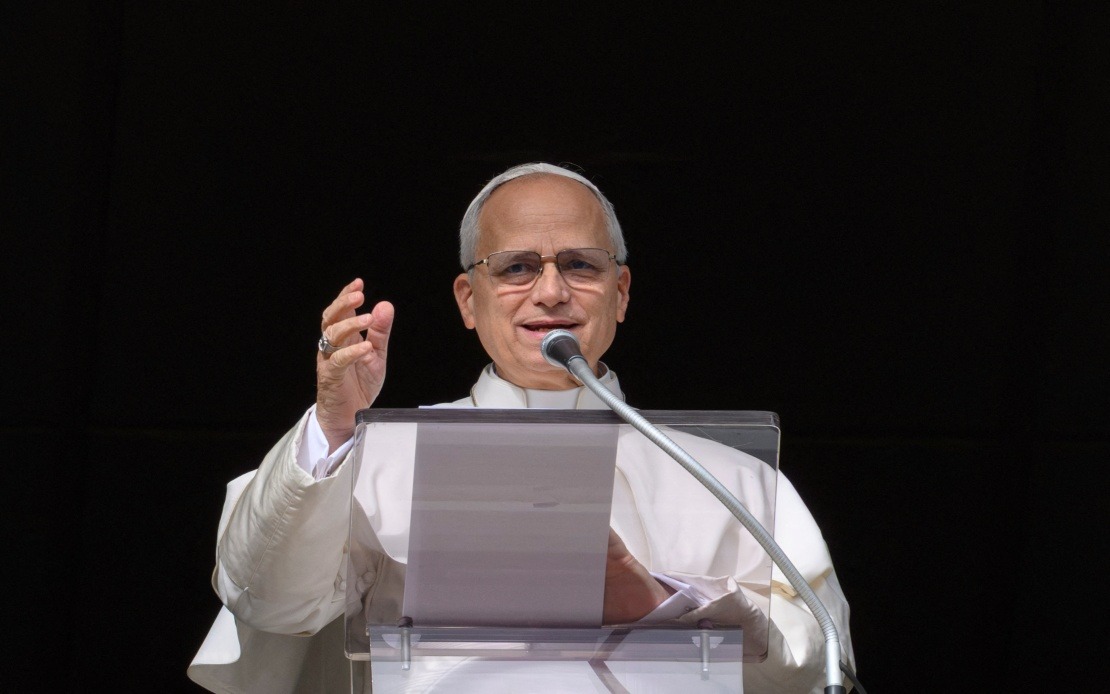
In a forceful intervention on artificial intelligence ethics, Pope Leo XIV has rejected the notion that AI systems can operate free from moral considerations, declaring instead that every algorithmic framework inevitably reflects deliberate choices about human values and societal priorities. Speaking from Athens on Thursday, the pontiff used his platform on social media to underscore a critical dimension of the ongoing global debate about technology governance—namely, that the supposed neutrality of code conceals deeper philosophical commitments that shape how humanity interacts with machine intelligence.
The papal statement arrives at a crucial moment when governments, technology companies, and international bodies grapple with establishing guardrails for AI advancement. Leo's intervention signals that religious institutions, traditionally concerned with moral philosophy, are positioning themselves as essential voices in conversations that have dominated tech policy corridors. The pontiff's argument challenges a widespread assumption in technology circles: that neutrality—the idea of building systems without embedded values—is either possible or desirable.
Central to the pope's reasoning is the observation that data selection, model architecture, and algorithmic training processes encode specific visions of what constitutes acceptable human conduct and social organisation. When developers choose which datasets to use, how to weight variables, and what outputs to prioritise, they are making fundamentally moral decisions, even if framed in purely technical language. This point holds particular relevance for Southeast Asian nations increasingly adopting AI in government services, healthcare, and criminal justice—sectors where algorithmic bias can perpetuate existing inequalities or introduce new forms of discrimination.
The pontiff explicitly called for ethical analysis to extend beyond examining how AI systems are ultimately deployed to scrutinising the foundational architecture itself. This encompasses the provenance of training data, the decision-making logic embedded in algorithms, and the philosophical assumptions about human nature and social good that permeate model design. For Malaysia and the region, where AI implementation is accelerating across financial services, administrative processes, and public safety, this analytical framework demands that policymakers interrogate not merely whether an AI system works, but whether its underlying logic aligns with constitutional values and societal commitments to justice.
A particularly striking element of Leo's statement concerns the distribution of responsibility across the entire AI lifecycle. Rather than concentrating accountability solely on those who deploy systems or bear the consequences of their decisions, the pope insists that designers, developers, and institutional users must each bear defined responsibility. This layered accountability model acknowledges that harm arising from AI can originate at multiple points—from biased training data selected by engineers, to flawed implementation by administrators, to misuse by end-users.
The pontiff emphasised the necessity of establishing clear mechanisms for identifying which parties must justify their decisions, monitor outcomes, and remedy harms when they occur. This requirement for answerability proves especially urgent in developing markets where regulatory frameworks for AI remain nascent and enforcement capacity is limited. For Malaysian regulatory bodies currently drafting guidelines for AI governance, the papal intervention provides ethical scaffolding that could inform more robust accountability structures.
The statement also carries implications for how multinational technology firms operating in Southeast Asia should approach their responsibilities. Companies exporting AI systems to the region cannot claim to be mere neutral conduits of technology; they carry responsibility for the values embedded in their products. This perspective challenges the common corporate position that localised misuse of technology absolves global platform operators of accountability.
Leo's framing of AI ethics as inseparable from questions about human dignity and the common good introduces language that transcends purely technical discourse. For predominantly Muslim-majority nations in the region, as well as Malaysia with its diverse religious landscape, this appeal to shared commitments regarding human flourishing provides common ground for multi-faith dialogue on technology governance. It suggests that concerns about AI ethics need not be confined to secular frameworks focused narrowly on efficiency or innovation metrics.
The practical implications extend to multiple sectors where Malaysia is expanding AI adoption. In healthcare, algorithmic systems making diagnostic or treatment recommendations carry embedded assumptions about which health outcomes matter most and for whom. In financial services, lending algorithms trained on historical data perpetuate existing patterns of access and exclusion unless deliberately designed otherwise. In law enforcement, predictive policing systems encode assumptions about crime patterns that may reflect historical bias rather than objective reality.
The pontiff's insistence that vision of human society guides AI design resonates with ongoing debates in Southeast Asia about technology's role in preserving cultural identity and social cohesion amid rapid digitalisation. The question of whose vision of humanity gets embedded in systems becomes especially fraught when technology companies headquartered in distant jurisdictions set design parameters that affect Asian users and societies.
Moving forward, the papal statement effectively restores moral philosophy to its rightful place in technology governance discussions. It suggests that engineers' technical expertise, while necessary, proves insufficient for responsible AI deployment. Societies must demand that technologists engage seriously with ethicists, theologians, social scientists, and community representatives to examine what their systems assume and affirm about human nature and collective flourishing. For Malaysia's policymakers developing the National AI Strategy and related governance frameworks, Leo's intervention offers a reminder that the most sophisticated algorithms cannot substitute for careful moral reasoning about what kinds of societies technology should serve.

