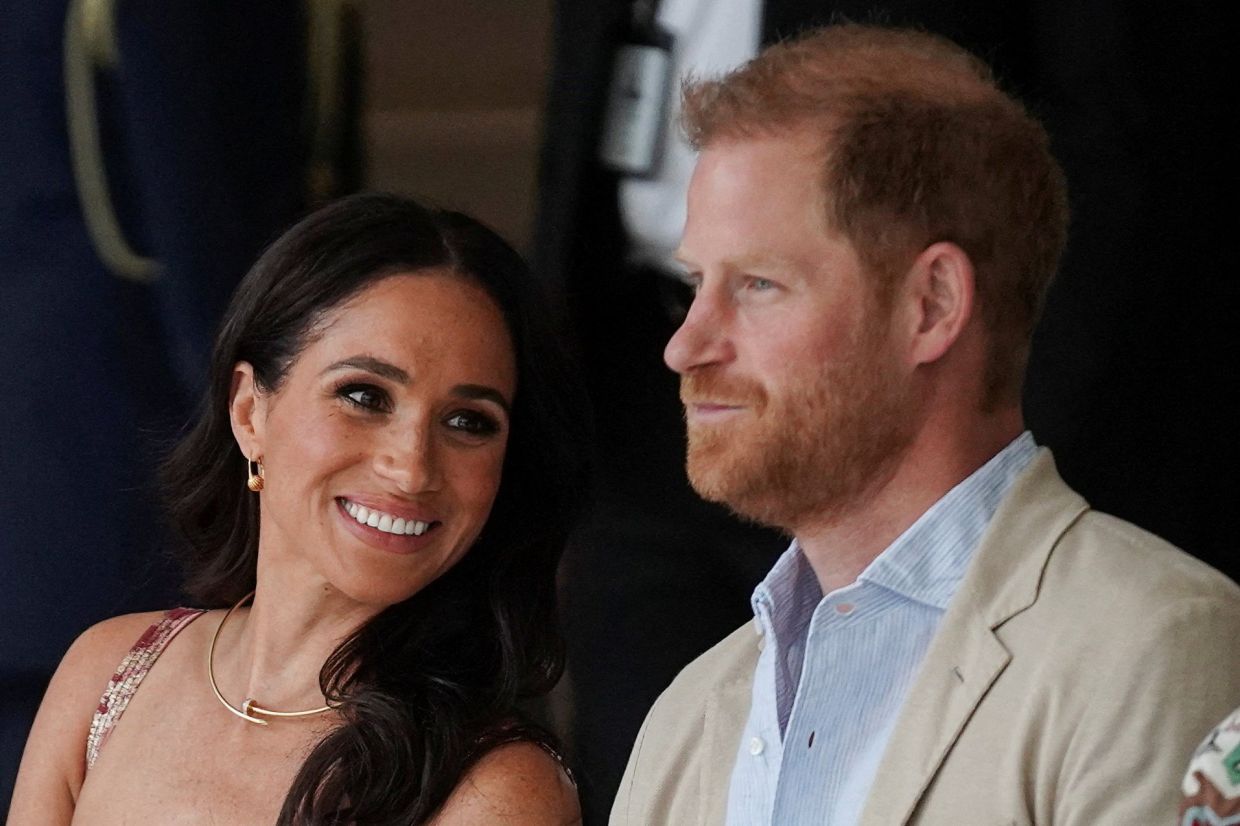
Prince Harry and Meghan have made the decision to relocate to the United Kingdom, though they will not return as active working members of the royal family, according to reports from British media outlets. The announcement represents a notable turning point for the couple, who departed from their traditional royal roles more than six years ago to establish themselves in California. Their children, Prince Archie, aged seven, and Princess Lilibet, aged five, have secured places at British educational institutions and are scheduled to begin their schooling in September.
The Duke and Duchess of Sussex initially left the United Kingdom to pursue financial independence through significant media partnerships, most notably with Netflix and Spotify. These entertainment contracts have generated substantial revenue streams for the couple, enabling them to fund their lifestyle in Montecito, an upscale residential community in Southern California. However, this departure fundamentally altered their status within the institution, transforming them from full-time working royals into what the monarchy describes as non-working members of the extended royal family.
The timing of this relocation carries considerable personal significance, particularly regarding Harry's relationship with his father, King Charles III. The prince has expressed a genuine desire to strengthen ties with the monarch, who is currently undergoing treatment for a medical condition that has not been publicly specified. This development suggests that Harry views his father's health situation with urgency and recognizes the finite nature of the opportunity to rebuild their relationship. The King was informed of the family's plans on Sunday, notably receiving this information before Harry and Meghan's recent UK visit, indicating that the decision had already been made during their discussions.
The royal family's relationship with Harry and Meghan has deteriorated significantly since their relocation to America. The couple's decision to participate in a series of high-profile interviews and Harry's subsequently published memoir exposed extensive internal family conflict and personal grievances. Rather than remaining private matters, these revelations became global headlines, straining connections across the royal household. The discord has been compounded by ongoing legal disputes that have consumed considerable energy and financial resources on both sides.
Among the most contentious legal matters has been Harry's protracted campaign against British tabloid newspapers, particularly regarding allegations of illegal phone hacking and privacy invasion. The prince has faced significant setbacks in these proceedings, including substantial adverse judgments that have left him financially vulnerable. Most notably, a recent court decision has rendered Harry and his fellow plaintiffs responsible for contributing towards the defendant publisher's legal expenses, which have reached £34.5 million (US$47 million). This financial exposure has added another layer of complexity to his UK re-engagement.
Parallel to his media disputes, Harry has been locked in a separate confrontation with the British government over police security provisions. A government committee declined to authorize armed protection for the prince and his family during their time in the United Kingdom, reasoning that as non-working royals, they did not qualify for taxpayer-funded security. Harry has argued forcefully that membership in the royal family alone creates genuine security risks, a position that has been repeatedly rejected by the courts. Following his judicial defeat on this matter last year, the prince made a striking public statement acknowledging the futility of continued confrontation.
Harry's shift in tone became evident during a BBC interview in which he declared his genuine desire for family reconciliation, stating "I would love reconciliation with my family. There's no point in continuing to fight anymore" and adding pointedly "I don't know how much longer my father has." This statement represented a notable departure from his earlier adversarial approach and signalled a readiness to prioritize family bonds over past grievances. The comment reflected a maturation of perspective, seemingly driven by the reality of his father's medical condition and broader awareness of mortality.
A preliminary manifestation of this reconciliation effort occurred during Harry's recent visit to the United Kingdom for charitable commitments. Meghan and the children accompanied him during portions of this stay, and the family spent time with King Charles at his Highgrove residence in Gloucestershire. This gathering held symbolic importance as it marked the first occasion since the late Queen Elizabeth II's platinum jubilee celebration in 2022 that Prince Archie and Princess Lilibet had met with their grandfather. The visit appeared to signal a thawing of tensions, at least between Harry and his father.
The prospects for broader family reconciliation remain considerably more uncertain, however. While Harry and King Charles appear to be moving towards improved relations, there are no comparable indications of warming between Harry and his brother, Prince William, the heir to the British throne. Tensions between the brothers have been particularly acute, with William reportedly unwilling to engage substantively with his younger sibling despite recent developments. The relocation to the UK may intensify this existing friction rather than resolve it.
Royal observers have characterized the announcement as potentially explosive within family dynamics. Peter Hunt, a former BBC royal correspondent with extensive experience covering the monarchy, suggested that Prince William would find the news deeply troubling. Hunt observed that the surprise announcement could prove strategically significant, noting that Harry's physical presence in the United Kingdom "will make it harder for his brother to duck a reconciliation." This assessment suggests that the practical reality of proximity, combined with the need to navigate shared public functions and societal expectations, may eventually compel engagement between the brothers regardless of their current reluctance.
For Malaysia and Southeast Asia's perspective on this development, the story illuminates broader themes about family duty, geographic displacement, and the tensions between personal autonomy and institutional obligation. The relocation decision also underscores how even privilege and wealth cannot insulate individuals from the complexities of family fracture and the human imperative to seek connection across divides. The family's return to the UK marks not a triumphant homecoming but rather a complicated negotiation between past resentments and present possibilities.

