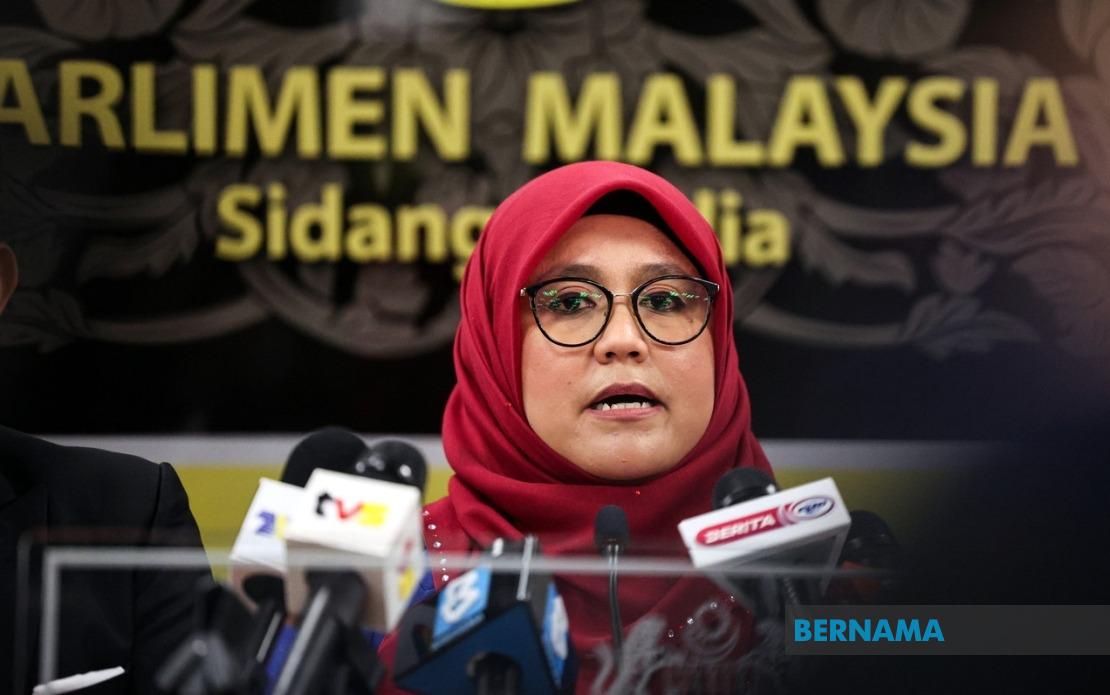
The Public Accounts Committee has concluded that unregulated surcharges imposed by Malaysia's private healthcare sector, rather than medical practitioners' professional fees, are the principal reason behind escalating health insurance premiums across the country. In a comprehensive parliamentary statement presented by Kapar MP Dr Halimah Ali on behalf of PAC chairman Datuk Mas Ermieyati Samsudin, the committee identified a structural disparity in pricing oversight that has created fertile ground for cost inflation throughout the private healthcare system.
While doctors' professional fees have remained subject to regulatory frameworks since 2013, the ancillary components of hospital billing—encompassing everything from medical consumables and diagnostic procedures to pharmaceutical supplies and laboratory analyses—operate in an essentially uncontrolled environment. This regulatory asymmetry has permitted private hospitals to absorb and pass through mounting operational expenses including workforce costs, utility bills, technological infrastructure investments, and the financial burden of malpractice litigation and defensive medicine protocols, all without transparent accountability to either regulators or consumers.
The PAC investigation uncovered a fundamental deficiency in billing standardisation across Malaysia's private hospital landscape. By allowing each institution to establish its own fee structures independently, the healthcare market has become opaque, making it virtually impossible for patients, insurers, or even policymakers to ascertain the true cost of comparable medical services or to identify unreasonable pricing anomalies. This information asymmetry undermines market competition and prevents rational decision-making by consumers and institutional purchasers alike.
Particularly troubling is the practice of inflating pharmaceutical prices to subsidise operational costs that should be separately itemised and transparently charged. The PAC discovered instances where basic hospital services—such as clinical waste management, bed linens, and antiseptic supplies—were being billed separately rather than absorbed within standard room charges. This unbundling strategy fragments the apparent cost structure and obscures the true expense of hospitalisation, making price comparisons between facilities nearly impossible for prospective patients.
The committee's investigation also identified systematic price discrimination within the private hospital sector. Patients presenting guarantee letters from insurance providers consistently encountered substantially higher charges than those paying directly or through indemnity systems. This two-tiered pricing structure effectively penalises insured patients and subsidises self-paying customers, creating perverse incentives and distorting market efficiency while pushing up aggregate insurance claims and premium levels.
The pharmaceutical supply chain emerged as another critical pressure point. The PAC documented substantial mark-ups at multiple distribution stages, with the striking anomaly that generic medications sometimes commanded higher prices than their branded originator counterparts—a reversal of normal market economics. The situation is exacerbated by the existence of more than 1,500 medicines with monopoly supply status in Malaysia, held by single registered manufacturers. This absence of competitive alternatives permits suppliers to impose pricing with minimal constraint from market forces, directly translating into higher costs for hospitals and ultimately for insurers and patients.
To rectify these systemic failings, the PAC has forwarded seventeen detailed recommendations to the government. Central among these is the accelerated rollout of the Diagnosis-Related Group payment system, which establishes predetermined reimbursement rates based on diagnostic classifications rather than unbounded fee-for-service arrangements. Equally important is legislative amendment to extend regulatory authority beyond doctors' professional services, empowering the Ministry of Health to supervise and control private hospital service charges comprehensively.
The PAC further recommends that the Ministry of Health and the Ministry of Domestic Trade and Cost of Living develop coordinated mechanisms to regulate pharmaceutical pricing and medical equipment costs. These agencies should explore direct procurement arrangements with manufacturers—particularly local producers—to circumvent intermediary suppliers and reduce opportunities for cartel arrangements to inflate prices. Amending the Private Healthcare Facilities and Services Act 1998 would furnish legal foundations for such regulatory expansion.
Parliamentary debate on the PAC report revealed broad cross-factional concern about healthcare affordability. Members from both government and opposition benches advocated for tightened regulation of private sector charges, enhanced transparency within the insurance industry, and expedited deployment of the DRG system. Several MPs called for substantially increased public healthcare investment as a counterweight to private sector pricing power, suggesting the current imbalance forces excessive reliance on expensive private services.
Additional proposals included legislative review of insurance regulations themselves, implementation of a temporary moratorium on fee increases at university teaching hospitals pending development of adequate alternatives, and imposition of elevated taxation on private hospital profits derived from medical tourism operations. These suggestions reflect recognition that private healthcare pricing strategies have become disconnected from cost fundamentals and must be constrained through multiple regulatory and fiscal instruments.
For Malaysian consumers and employers sponsoring health insurance schemes, the PAC findings underscore how unregulated overhead and supply-chain inefficiencies systematically flow through to premium calculations. The recommendations signal government acknowledgment that the current regulatory framework creates perverse incentives, permits opaque pricing, and fails to protect consumers from exploitation. Implementation of these measures—particularly DRG payment system deployment and legislative amendments expanding regulatory scope—would substantially reshape how private hospitals price services and how insurers negotiate and reimburse claims, potentially moderating the premium escalation that has eroded insurance affordability for middle-income Malaysians.

