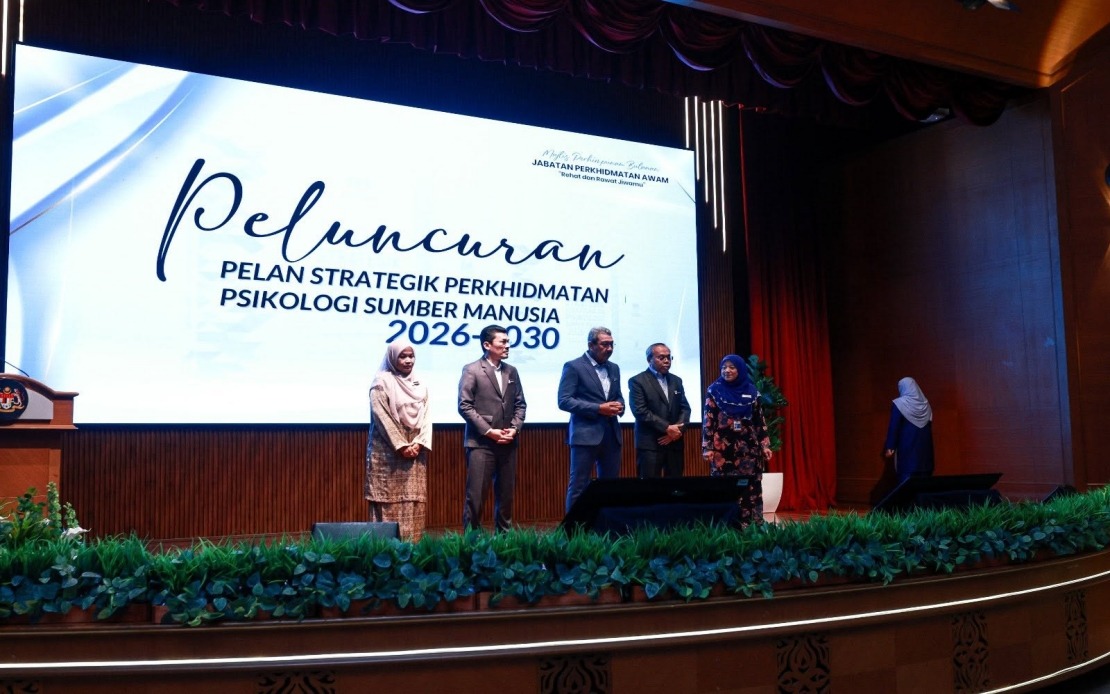
Malaysia's Public Service Department has taken a significant step toward addressing the mental health needs of its workforce by launching a comprehensive five-year strategic plan designed to reshape how psychological services are delivered and perceived across the civil service. The Human Resources Psychology Services Strategic Plan 2026-2030, unveiled at the PSD's June monthly assembly in Putrajaya, represents a deliberate shift in institutional culture that recognizes mental wellbeing as foundational to effective governance and public service delivery.
The initiative, officially launched by Public Service Director-General Tan Sri Wan Ahmad Dahlan Abdul Aziz, is structured around 12 distinct strategies supported by 22 programmes and 48 key performance indicators that will track progress across multiple dimensions of psychological wellness. This layered framework suggests a departure from piecemeal approaches to mental health support, instead embedding psychological services into the broader architecture of civil service reform and human resource management.
A central pillar of the campaign is the concept of "Rawat," loosely translated as "care" or "treat," which emphasizes proactive intervention rather than reactive crisis management. This approach encourages civil servants to take ownership of their mental health by actively seeking professional support, dismantling internal stigma that has historically deterred public sector employees from accessing psychological services, and developing practical self-care strategies before problems escalate. The messaging reflects international best practices where early intervention and preventive mental health approaches yield better outcomes than dealing with acute psychological crises.
Tan Sri Wan Ahmad Dahlan's remarks at the launch emphasized a fundamental principle: organizational well-being stems directly from the wellbeing of individual employees. This framing is particularly significant in the Malaysian context, where civil service culture has traditionally emphasized duty, hierarchy, and stoicism. By positioning employee mental health as essential to institutional performance rather than as a personal weakness or individual responsibility, the PSD is attempting to reshape organizational narratives around psychological support.
The "Rest and Treat Your Soul" theme of this month's assembly carries deliberate symbolism. Rest acknowledges the genuine pressures and burnout that accumulate in public sector work, while treat emphasizes active intervention and care-seeking. Together, these concepts form a counterpoint to the traditional expectation that civil servants simply endure workplace stress with resilience and without complaint. The messaging explicitly validates the need for recovery time and professional mental health support as integral to sustainable performance.
The new psychology services plan sits within a broader civil service transformation agenda that includes the H.E.M.A.T work culture framework. This complementary approach encompasses governance improvements, enhanced public empathy, progressive organizational mindset, innovation appreciation, and transparent administration. By integrating mental health services into this wider reform context, the PSD positions psychological wellbeing not as an isolated human resources function but as interconnected with systemic changes in how the civil service operates and relates to its employees.
For Malaysia's approximately 1.6 million civil servants, this strategic plan carries practical implications. Access to psychology services has historically been limited by cost, availability, and cultural reluctance to seek help. A structured five-year plan with dedicated budgets, trained personnel, and clearly defined performance targets should expand the reach of these services across federal, state, and local government agencies. The establishment of 48 key performance indicators suggests the PSD is serious about measuring outcomes and holding departments accountable for implementing mental health support initiatives.
The emphasis on dismantling stigma addresses a persistent challenge in Malaysia's public sector. Many civil servants fear that seeking psychological support could be perceived as weakness, potentially affecting career advancement or professional reputation. By making mental health services a departmental priority with visible leadership commitment, the PSD hopes to normalize psychological help-seeking and reduce the shame or career anxiety that has previously driven employees to suffer silently through mental health challenges.
This initiative also reflects regional recognition of mental health as a public health priority. Countries across Southeast Asia are increasingly acknowledging the mental health impacts of rapid urbanization, organizational change, and pandemic-era disruptions. Malaysia's civil service, which serves as both an employer to over a million people and a model for other government agencies, launching this comprehensive plan positions it as a regional leader in recognizing workplace mental health as essential infrastructure.
Implementation success will depend on resource allocation, training of mental health professionals, and genuine organizational commitment to creating psychologically safe workplaces. The 22 programmes outlined in the plan will need adequate funding and staffing to function effectively across the diverse Malaysian civil service landscape, from urban federal offices to rural local government councils. Without sustained investment and institutional will, even the most comprehensive strategic plan risks becoming performative rather than transformative.
The plan also has broader implications for Malaysian productivity and public service quality. Mental health challenges including depression, anxiety, and burnout directly impact employee engagement, decision-making quality, and service delivery standards. Civil servants struggling with unaddressed psychological issues are less able to serve the public effectively. By investing in mental health infrastructure, the PSD is making a calculated investment in the quality and effectiveness of government services that Malaysians depend on.
Monitoring how departments integrate these psychology services and whether civil servants actually access them will be crucial. The 48 key performance indicators provide measurement frameworks, but genuine success requires cultural shift that takes years to establish. This plan's success should be evaluated not just through service utilization numbers but through broader measures of employee satisfaction, retention rates, and perceived organizational support for mental wellbeing.

