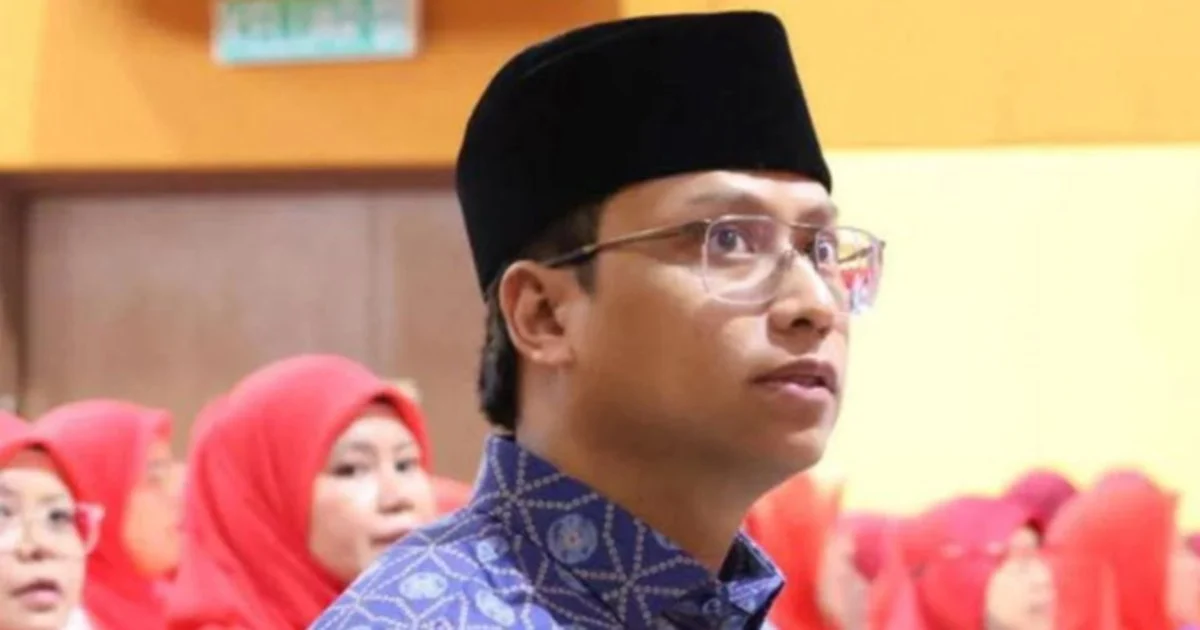
The family of former Umno Supreme Council member Datuk Dr Mohd Puad Zarkashi has rallied to the defence of statements that have drawn scrutiny within Malaysia's dominant Malay-majority political party, with the elder Zarkashi's son arguing that the remarks were fundamentally motivated by concern for Umno's long-term viability and legacy. The defence comes amid ongoing tensions within Umno regarding the party's strategic direction and internal governance, a recurring flashpoint that has periodically destabilised the organisation over the past several years.
Datuk Dr Mohd Puad Zarkashi, who previously held significant influence within Umno's decision-making hierarchy, has become an increasingly vocal figure in debates over the party's institutional health and political trajectory. His recent comments appear to have touched a nerve among current party leadership, prompting a public response from his family that seeks to reframe the nature and intent of his criticism. By positioning the remarks as attempts to fortify rather than undermine Umno, the family is engaging in a broader narrative battle over who genuinely has the party's interests at heart.
This dynamic reflects a deeper pattern within Umno that has periodically surfaced since the party entered significant political turbulence in recent years. The distinction between internal dissent and disloyalty has become increasingly blurred within the organisation, with figures who raise concerns about party direction often finding themselves isolated or marginalised. The Zarkashi family's public defence suggests they recognise the potential reputational risks of remaining silent while their patriarch faces implicit criticism from party circles.
The concept of constructive criticism within major political parties remains contentious throughout Southeast Asia, where loyalty and hierarchy are often prioritised over institutional reform. Umno's particular context is complicated by its historical dominance in Malaysian politics and the stakes associated with internal fracturing. When senior figures or former decision-makers speak critically about party direction, the remarks inevitably carry weight beyond their literal content, as observers interpret them as signals of broader factional dissent.
Umno's structural challenges have multiplied over the past decade, ranging from electoral performance concerns to internal discipline issues. The party has experienced significant losses of grassroots support, particularly in urban constituencies, and has struggled to adapt its messaging to younger demographic segments. Against this backdrop, criticism from established figures like Datuk Dr Mohd Puad Zarkashi carries particular resonance, as such voices are typically associated with the party's institutional memory and continuity.
The invocation of historical judgment in the family's defence is particularly telling, suggesting they anticipate that contemporary criticism may not be the final word on the matter. This rhetorical strategy frames current disagreements as temporary, with vindication expected to arrive once sufficient time has passed for outcomes to become clear. It is a gambit frequently employed when figures believe their positions will ultimately be proven correct but lack the immediate political leverage to enforce that validation.
Umno's stance on various contemporary issues, from institutional reform to coalition strategies, has become a focal point for internal debate. The party remains Malaysia's largest in terms of nominal membership, yet its political influence has diminished significantly compared to its mid-twentieth-century dominance. Current leadership faces pressure from multiple directions—older members who recall the party's apex of influence, younger modernisers seeking institutional renewal, and regional rivals competing for the Malay-Muslim vote that has traditionally been Umno's base.
The public nature of the family's defence indicates that internal party mechanisms for addressing such concerns have either broken down or are being bypassed entirely. When senior figures' relatives must publicly vindicate their statements through media channels, it suggests the party lacks internal forums where such disagreements can be resolved collegially. This pattern has become distressingly familiar within Umno over the past decade, with critical voices often finding themselves marginalised rather than engaged substantively.
For Malaysian political observers and regional analysts, the Zarkashi episode illuminates ongoing questions about political party adaptation and institutional resilience. Umno remains a significant political force, but its trajectory depends heavily on whether it can accommodate internal diversity of opinion without fracturing. The party's historical model—built on centralised decision-making and relatively rigid hierarchy—is increasingly challenged by contemporary political dynamics that reward flexibility and inclusive deliberation.
The broader implications for Malaysian politics are significant. Umno's health directly affects the stability of federal governance structures and coalition configurations. A party that cannot accommodate legitimate internal criticism risks either rigid stagnation or sudden rupture when suppressed tensions finally surface. The Zarkashi family's defence, therefore, represents not merely a family matter but a window into the institutional challenges confronting one of Malaysia's oldest political organisations during a period of considerable uncertainty.
Historical precedent suggests that retrospective vindication rarely arrives in the manner anticipated by those making prophetic claims. More commonly, events move forward in ways that render such judgments irrelevant or reframe their significance entirely. Nevertheless, the Zarkashi family's confidence in eventual recognition of their patriarch's concerns suggests they perceive genuine merit in his critique of Umno's direction, regardless of whether contemporary party structures are equipped to acknowledge that merit.

