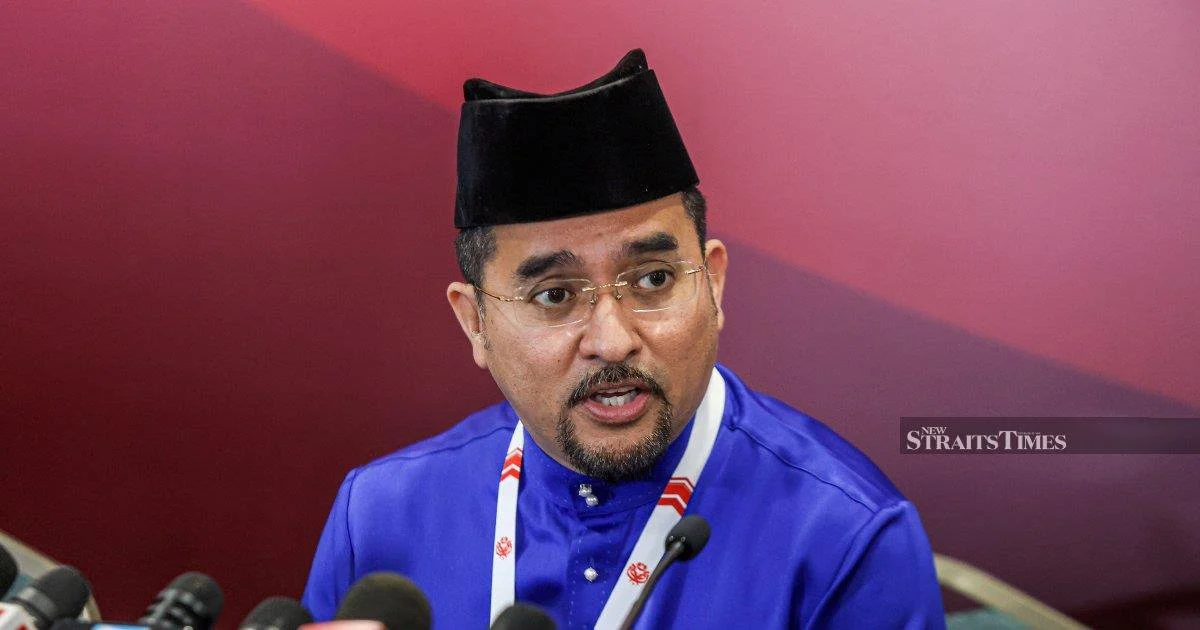
Barisan Nasional's postponement in unveiling its slate of candidates for the Johor state election stemmed from an extensive vetting mechanism, Umno secretary-general Datuk Dr Asyraf Wajdi Dusuki clarified, underscoring the coalition's commitment to fielding credible contenders in the crucial southern state.
The delay in candidate selection, a perennial source of speculation and internal party dynamics, reflected the coalition's determination to subject aspirants to thorough scrutiny before formal endorsement. This multi-layered evaluation system examined candidates' track records, community standing, financial integrity, and alignment with coalition objectives—criteria that invariably consumed considerable time and administrative resources.
Johor, Malaysia's second-largest state by population and economic significance, represents a strategic battleground where BN's electoral fortunes carry substantial weight in national politics. The coalition's methodical approach to identifying candidates signalled an awareness of the state's importance and the need to field representatives capable of withstanding intense electoral competition and scrutiny from opposing coalitions.
The vetting apparatus typically involves multiple stakeholders including party leadership, component parties within the coalition, grassroots party divisions, and administrative bodies tasked with verifying candidates' eligibility and background credentials. This collaborative yet cumbersome process frequently extends timelines, particularly when candidates emerge from contested selection processes or when internal consensus requires careful negotiation among competing interests.
Such deliberate procedures have become increasingly common across Malaysian political parties, reflecting heightened expectations for transparency and accountability in candidate selection. Voters and party members alike have grown intolerant of surprise candidate announcements that suggest preferential treatment or inadequate vetting, making thorough evaluation processes politically expedient regardless of their operational inconvenience.
The Johor context adds particular complexity, as the state boasts fierce intra-party competition and multiple aspirants seeking nomination in virtually every contested seat. BN components, particularly Umno, must navigate competing claims from potential candidates whilst maintaining coalition cohesion across its diverse membership base spanning different communities and constituencies.
BN's emphasis on rigorous vetting also responds to broader electoral dynamics in Malaysia, where voter scepticism toward political institutions has intensified in recent years. Announcing candidates perceived as inadequately vetted or selected through non-transparent processes risks alienating swing voters whose support determines marginal seat outcomes. Conversely, demonstrating meticulous evaluation procedures enhances coalition credibility and distinguishes BN from competitors accused of hasty or questionable candidate selection methods.
The delay further reflected coordination challenges inherent in managing a multi-component coalition where Umno, MCA, MIC, and smaller partners must reach consensus on seat distribution and candidate endorsement. Johor's significance to each component necessitated extensive consultation to prevent perceptions of unfair allocation or marginalisation of specific communities' representation.
Datuk Dr Asyraf Wajdi's explanation addresses mounting pressure from party members and media observers who had questioned the postponement's underlying causes. By attributing delay to procedural rigour rather than internal discord or leadership indecision, the Umno secretary-general sought to reframe what observers interpreted as organisational inefficiency into deliberate prudence. This framing carries political value, positioning BN as a serious, orderly institution committed to standards that inferior opposition parties allegedly neglect.
Looking forward, BN's candidate announcement timings in Johor will influence broader perceptions of the coalition's organisational capacity and electoral readiness. Malaysian voters increasingly evaluate parties based on demonstrated competence in basic administrative functions; candidate selection delays consequently risk broader damage to BN's image as an effective governing force despite their justified procedural origins.
The Johor election context also carries ramifications for Malaysian federalism and coalition politics beyond state borders. Johor's electoral outcome influences the balance between BN, Pakatan Harapan, and other coalitions seeking state government control. Credible, well-vetted candidates strengthen BN's electoral position by reducing vulnerability to character-based attacks and enhancing public confidence in selected representatives' fitness for office.
As Malaysian electoral politics continue evolving toward greater scrutiny of candidate credentials and selection transparency, BN's insistence on comprehensive vetting procedures may prove strategically advantageous, provided the coalition can demonstrate that thoroughness translates into superior candidate quality and ultimately superior governance outcomes.

