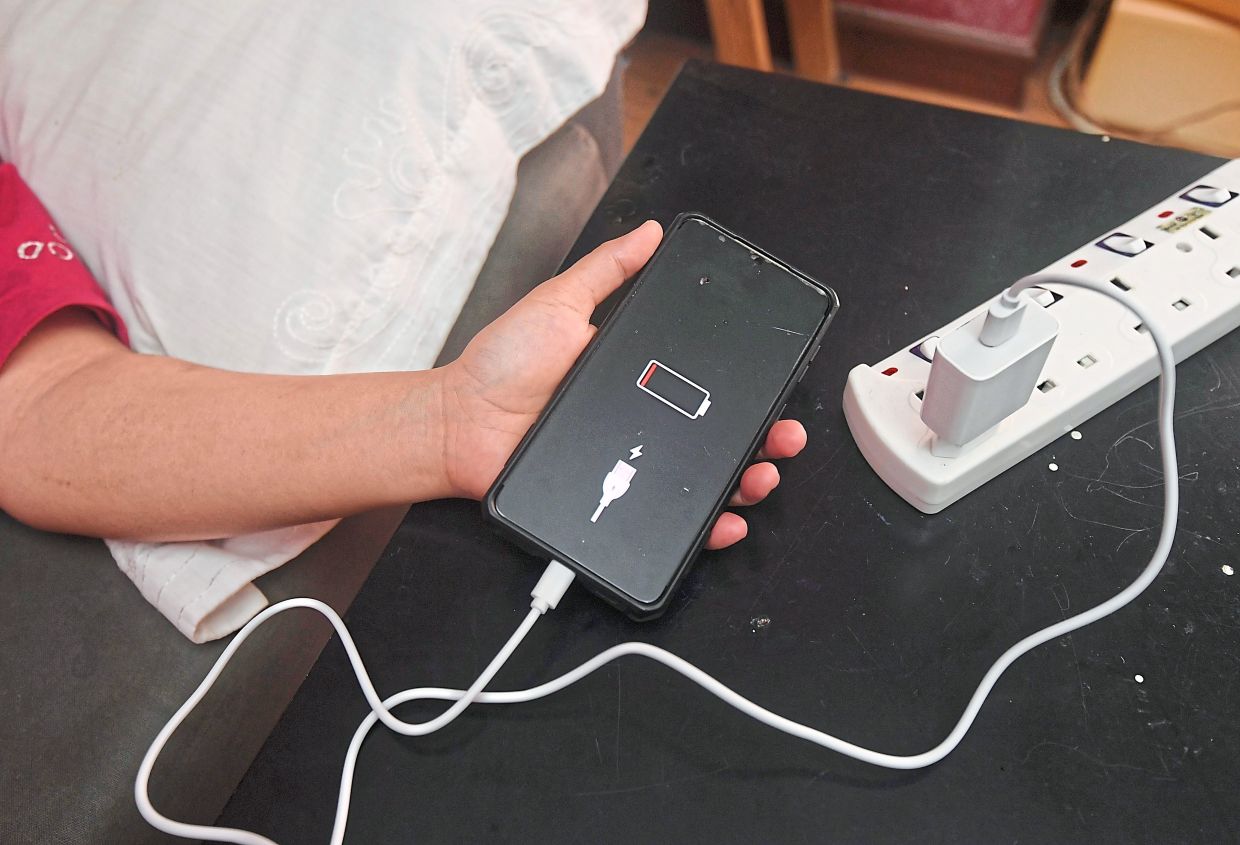
Malaysia's fire authorities have sounded an alarm over the mounting financial and safety toll of unsafe device charging practices, documenting losses totalling RM14.2 million across 59 residential fire incidents spanning the past three years. The concerning trend underscores a widening gap between public awareness and the practical dangers posed by everyday charging habits, revealing that Malaysians remain vulnerable to preventable domestic disasters despite widespread access to electrical technology.
According to the Fire and Rescue Department (JBPM), Sarawak bears the heaviest burden from this emerging fire hazard, with approximately RM9.7 million in documented losses stemming from eleven separate cases. This concentration of damage in a single state—representing nearly 68 percent of all losses nationwide—suggests either heightened vulnerability within certain property types or variations in how charging practices differ across regions. Kelantan follows with RM1.14 million across seventeen incidents, while Sabah recorded RM806,800 from three cases. The remaining affected states paint a fragmented picture: Selangor sustained RM661,040 from five fires, Penang RM537,125 across nine cases, Johor RM470,000 from two incidents, Putrajaya RM387,000 from one case, Melaka RM214,810 from four cases, Terengganu RM175,000 from two cases, and Perak RM95,750 spanning five cases. Notably, six states and one federal territory—Kedah, Negri Sembilan, Pahang, Perlis, Kuala Lumpur, and Labuan—recorded no such incidents, and importantly, no fatalities were reported throughout the three-year period.
While the absence of casualties offers some reassurance, the department emphasises that investigating these fires demands far more than surface-level analysis. Each incident presents distinct technical and logistical challenges that cannot be reduced to loss figures or fire severity alone. The investigative process requires systematic examination of variables including the precise location of ignition, the specific device type involved, the extent to which physical evidence has been compromised by heat and flames, hazardous conditions present at fire scenes, and complex technical data requiring expert interpretation. This methodology reflects the reality that fire investigations operate within a spectrum of difficulty that does not always correlate with visible destruction.
Some of the most complex cases, according to JBPM, involve fires where losses appear modest but investigation demands extensive technical scrutiny. These instances require sophisticated analysis of charger specifications, battery chemistry, electrical circuit behaviour, and the interaction between devices and surrounding materials. The department's statement implies that Malaysia's fire investigation capacity is being tested by the technical demands of these cases, suggesting that expertise in device-related fire forensics may be a developing field requiring ongoing investment and training.
The root causes identified by investigators reveal patterns of negligence and convenience overriding safety consciousness. Leaving devices plugged in and charging overnight without supervision ranks among the most prevalent unsafe practices, a behaviour driven by the modern expectation of always-available battery power. Equally problematic is the widespread use of uncertified chargers and cables—often cheaper alternatives that lack proper voltage regulation, circuit protection, and heat management. These substandard products frequently lack SIRIM certification or equivalent safety approvals, creating conditions where electrical faults escalate into thermal runaway and combustion. The department also highlights the hazardous practice of charging devices on soft furnishings such as mattresses, pillows, sofas, and blankets, environments where heat cannot dissipate safely and where fire can spread rapidly through combustible materials.
Beyond these primary concerns, JBPM identifies secondary but significant risk factors. Overloading power strips with multiple devices creates cumulative electrical stress, while using visibly damaged equipment—swollen batteries, persistent overheating, burning smells, frayed cables—introduces obvious ignition sources into the home. These warning signs represent opportunities for intervention that many users either fail to recognise or deliberately ignore in pursuit of continued functionality.
The root cause of this safety crisis extends beyond individual negligence into broader consumer behaviour patterns shaped by economic pressures and inadequate awareness. Many Malaysians continue prioritising cost over safety when selecting chargers, cables, and electrical accessories, a rational economic choice for budget-conscious households but one with potentially catastrophic consequences. This preference for cheaper alternatives, combined with limited public understanding of how electrical standards protect against fire risks, creates a market environment where substandard products thrive. Users often lack knowledge about what constitutes safe equipment, making them vulnerable to misleading marketing claims and unable to distinguish certified from non-certified products at the point of purchase.
The department's assessment that public awareness remains insufficient reflects a disconnect between the scale of the problem and the visibility of fire safety messaging in Malaysian society. While general fire safety campaigns exist, device-specific charging guidance appears underrepresented in public consciousness. The concentration of incidents in certain states may indicate that awareness initiatives have been unevenly distributed or that local messaging has not resonated effectively with target communities.
Moving forward, JBPM has committed to intensifying fire safety education initiatives with particular emphasis on charging practices. The department plans to leverage preventive outreach programmes and coordinate with relevant government and private sector partners to embed safer charging habits into public consciousness. This multi-agency approach recognises that fire prevention requires alignment across consumer protection, standards enforcement, retail regulation, and public health sectors. The specific recommendation to use only SIRIM-certified charging equipment represents the minimum technical requirement for safety, yet implementation faces obstacles in a marketplace where enforcement mechanisms may be limited and consumer purchasing power determines market dynamics.
For Malaysian households, the evidence accumulated over three years delivers an unambiguous message: the convenience of always-charged devices carries measurable risk when basic precautions are neglected. The financial losses documented by JBPM—RM14.2 million across fifty-nine incidents—represent not merely property damage but the cumulative cost of preventable mistakes. As Malaysia's population increasingly depends on electronic devices for work, communication, and daily life, establishing a culture of safe charging practices becomes not a luxury but a necessity for protecting homes and families. The challenge now lies in translating awareness into sustained behavioural change across a diverse population with varying technical literacy and economic resources.