The Malaysian government has greenlit a substantial programme of mosque construction spanning 92 separate projects and totalling RM160.82 million in federal funding since the rollout of the MADANI administration in 2023 through to June this year. Progress across the initiative has been steady, with 54 projects now finished and another 16 actively under construction on sites nationwide. The remaining 22 schemes remain in preliminary planning phases or are navigating procurement procedures, indicating a deliberate, structured approach to infrastructure development rather than rushed execution.
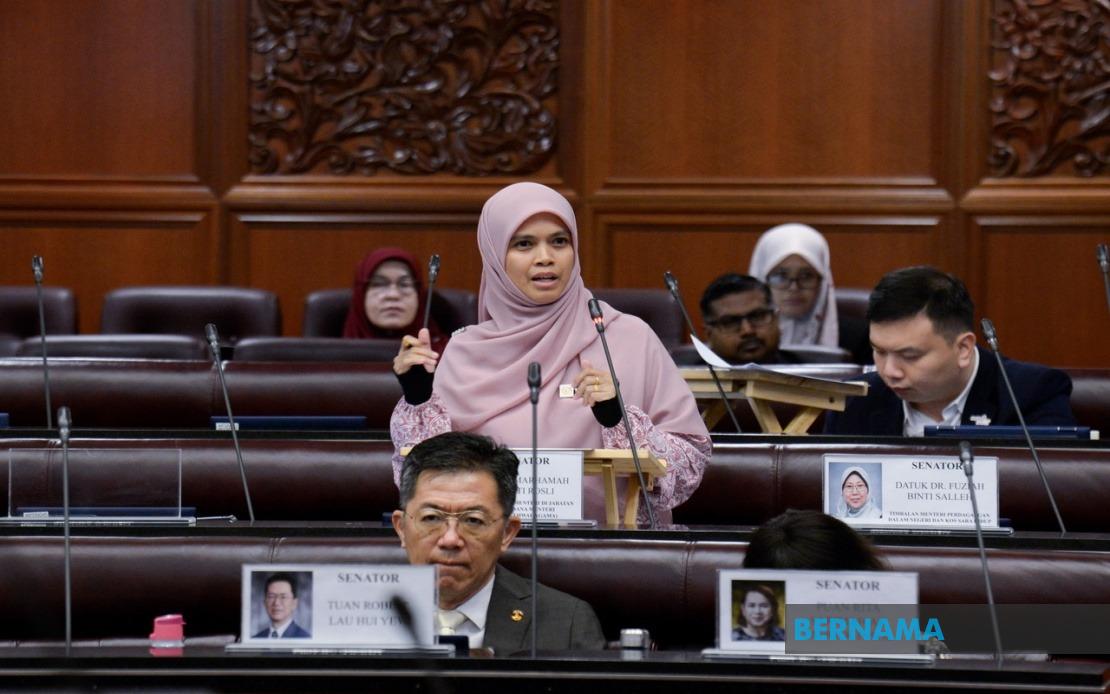
Deputy Minister in the Prime Minister's Department (Religious Affairs) Senator Marhamah Rosli outlined the approval framework during parliamentary debate in the Dewan Negara, explaining that new mosque allocations emerge from formal recommendations lodged by state Islamic authorities. These recommendations draw on rigorous assessment criteria that examine demographic shifts within specific localities, particularly the growth and concentration of Muslim populations in expanding urban and suburban zones across the nation. Planners also evaluate the adequacy of existing facilities, considering both physical capacity constraints and geographical reach to ensure that new infrastructure does not create wasteful duplication.
Site selection and land tenure issues form critical components of the evaluation process. Government authorities conduct feasibility studies to confirm that proposed locations suit their intended purpose, with particular attention paid to ownership status and long-term usability. Beyond mere physical suitability, the approval mechanism incorporates financial partnership commitments from state governments, reflecting a federal-state collaborative model established at the 139th Meeting of Menteri Besar and Chief Ministers held on 28 June 2022. This cost-sharing arrangement underscores the distributed nature of mosque development responsibility across Malaysia's multi-tiered governance system.
The mosque construction initiative carries significance beyond religious infrastructure expansion. Senator Marhamah highlighted the expanding role of mosques as platforms for delivering social welfare to vulnerable urban populations, including the homeless, economically displaced communities, and low-income households. This reflects an evolving understanding of mosque facilities as multipurpose civic institutions serving broader national objectives of social cohesion and poverty alleviation, rather than purely devotional spaces.
The Department of Islamic Development Malaysia (JAKIM) has partnered extensively with state-level Islamic religious departments and municipal councils to deploy comprehensive welfare programmes operating through mosque networks. These initiatives distribute targeted assistance to asnaf groups—the Islamic term for designated vulnerable categories eligible for religious charity—whilst simultaneously addressing food security through basket distribution schemes and community kitchen operations. Emergency financial support channels help families navigate sudden economic shocks, while educational assistance targets children from disadvantaged backgrounds seeking pathways out of poverty cycles.
Counselling services and psychosocial support delivered through mosque-based programmes address mental health vulnerabilities often overlooked in conventional welfare systems. Funeral management assistance provides dignified end-of-life arrangements for families unable to bear customary expenses, reducing financial and emotional burdens during grief. Temporary shelter facilities offer refuge for individuals experiencing homelessness, creating immediate relief whilst longer-term housing solutions are pursued through parallel government and non-governmental channels.
Non-governmental organisations have become crucial partners in this welfare infrastructure expansion, bringing grassroots expertise and community trust accumulated through years of direct service delivery. Collaborative frameworks between religious authorities, government agencies, and civil society actors create redundancy and resilience, ensuring that vulnerable populations access assistance through multiple entry points rather than relying upon single bureaucratic pathways.
From a regional perspective, Malaysia's mosque-centred development strategy offers instructive lessons for other Southeast Asian nations with substantial Muslim populations navigating urbanisation challenges. The methodology of pairing infrastructure investment with welfare programme integration demonstrates how capital expenditure can simultaneously address religious, social, and economic objectives within demographically dynamic societies.
The completion of 54 mosque projects within approximately 18 months reflects substantial administrative capacity, though the 22 projects still in procurement phase suggest implementation challenges inherent to large-scale capital programmes. Land acquisition delays, environmental assessment requirements, and engineering complexities typically stretch timelines beyond initial projections, indicating that the overall initiative may require extension beyond current implementation schedules.
The demographic rationale underlying this expansion reflects Malaysia's accelerating urbanisation and ongoing population redistribution toward metropolitan centres. Previously rural areas experiencing rapid suburban expansion require corresponding religious infrastructure development to serve newly resident Muslim communities, justifying the geographic spread of the 92-project portfolio across the nation rather than concentration within established urban cores.
State government funding commitments prove essential to programme sustainability, yet fiscal capacity varies significantly across Malaysia's 13 states. Wealthier jurisdictions may facilitate rapid project advancement, whilst economically constrained states might experience implementation delays despite federal co-financing, potentially creating regional disparities in mosque availability and quality. Monitoring these variations will prove important for assessing whether the MADANI programme effectively addresses geographic inequities or inadvertently amplifies them through uneven state capacity.

