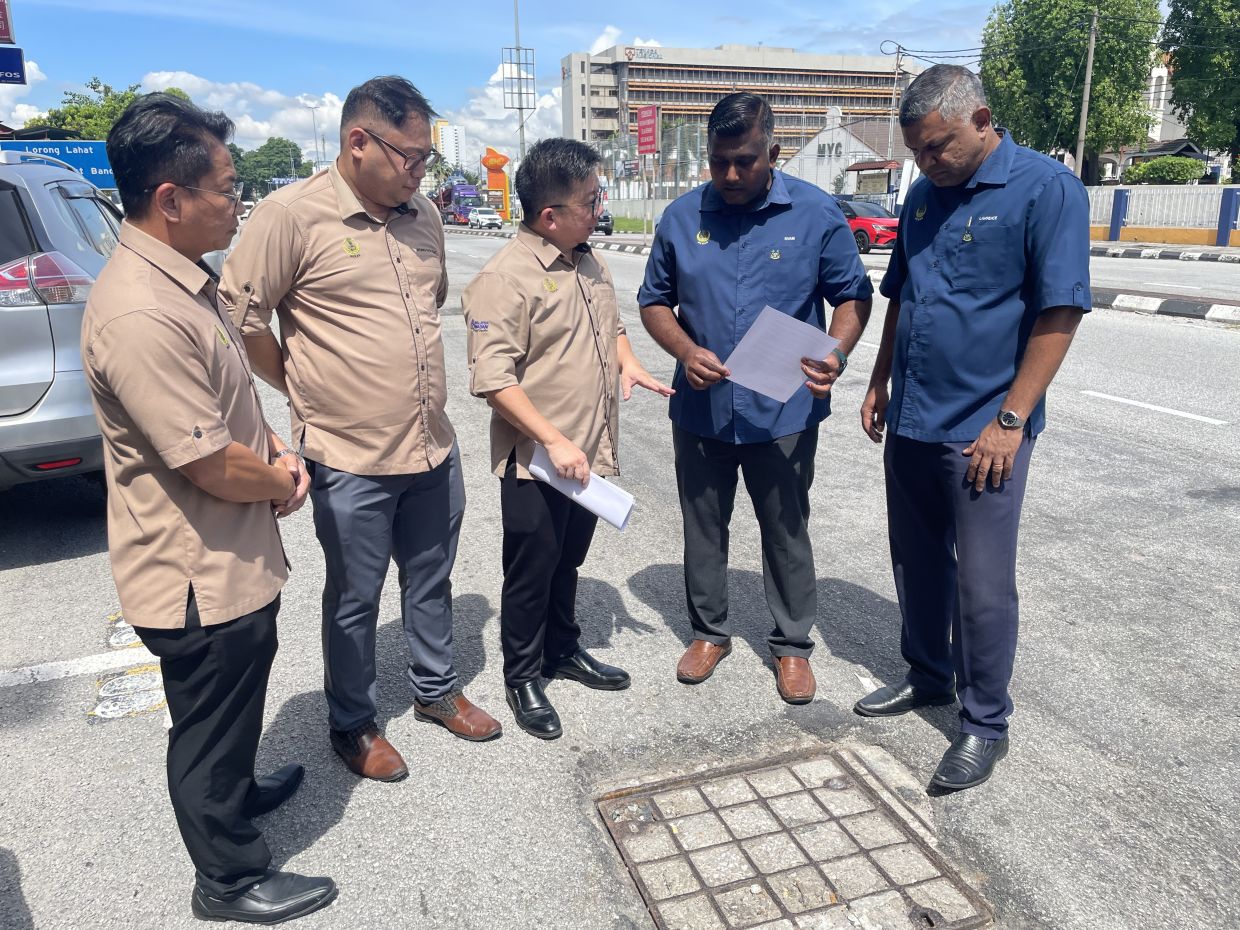
Ipoh residents and daily commuters on Jalan Lahat have reason to welcome the news that a significant infrastructure intervention is finally arriving. A RM2.6 million resurfacing initiative targeting nearly 4 kilometres of this chronically damaged road is scheduled to begin in July, marking a decisive effort to tackle a problem that has plagued users for years. The project represents a turning point for a thoroughfare that has become synonymous with potholes and uneven surfaces, affecting the three state constituencies it connects: Buntong, Tebing Tinggi and Menglembu.
Menglembu assemblyman Chaw Kam Foon announced that the Malaysian Road Records Information System (Marris) would fund the undertaking, which focuses on resurfacing both directions from the Falim traffic lights to the Jalan Leong Boon Swee junction near Little India. While Jalan Lahat stretches between 10 and 11 kilometres in total length, authorities have identified the most severely compromised section for urgent attention. The project will concentrate on approximately 1.9 kilometres in each direction, enabling comprehensive treatment of both traffic flows across nearly 4 kilometres combined. For motorists who navigate this corridor daily, the announcement provides tangible hope after months of complaints about deteriorating conditions.
The deterioration of Jalan Lahat had quietly festered until social media intervention brought the crisis into sharp focus. A viral video depicting a particularly dangerous pothole on a flyover section galvanized public awareness, forcing authorities to acknowledge what residents had been experiencing firsthand. The pothole in question prompted genuine safety concerns, with the defect eventually receiving temporary patching shortly after the matter circulated online. Yet this reactive fix merely masked the underlying structural failures affecting the entire stretch. In June alone, approximately 20 vehicles suffered tyre punctures from hitting potholes along the corridor—a statistic that understates the broader inconvenience and expense inflicted on the driving public.
Councillor K. Sivam provided crucial context regarding the timeline of this intervention. Requests for resurfacing have been consistent since 2024, representing years of accumulated frustration from local representatives and community members. The approval secured this year comes after sustained advocacy, indicating that political and bureaucratic pressure finally reached a sufficient threshold. Currently, the tender process for construction contracts is underway, with works expected to commence as planned in July. Completion is targeted within approximately three weeks, a relatively compressed timeframe that should minimise disruption to the thousands of users who depend on this route daily for school runs, commercial deliveries and regular commuting.
The characteristics of Jalan Lahat make it particularly vulnerable to accelerated deterioration. This is not a minor residential lane but a significant corridor serving residential areas, multiple schools and substantial commercial zones. The road experiences heavy usage by large vehicles and lorries, subjecting its surface to intense mechanical stress that exceeds what standard asphalt in tropical conditions can reliably withstand. Previous attempts at piecemeal patching have proven ineffective, a pattern Sivam specifically attributed to weather conditions and the sheer volume of traffic. In Malaysia's tropical climate, where monsoon rains can undermine repairs and high temperatures soften asphalt, quick-fix approaches inevitably fail. Comprehensive resurfacing represents the only realistic solution to establishing lasting durability.
Underlying the surface damage lies a often-overlooked culprit: inadequate road reinstatement following utility excavation. Sivam identified past sewerage pipeline installation works as a particular source of structural compromise, with restoration not executed according to proper standards. These excavations breach the road's structural integrity, and if subsequent reinstatement is hasty or substandard, they create weak points that accelerate overall deterioration. The resurfacing project itself will address these compound failures through levelling of manholes, removal of road undulations and repainting of lane markings. This comprehensive approach acknowledges that cosmetic repairs cannot solve problems rooted in structural deficiency.
Moving forward, accountability mechanisms are being strengthened to prevent recurrence of similar problems. The Corridor Utiliti Darul Ridzuan (KUDR) has been tasked with monitoring future utility company excavation works, ensuring that restorations comply with approved specifications. This represents a significant institutional shift from permissive practices to enforceable standards. Companies that fail to properly reinstate roads now face meaningful consequences: financial fines, traffic violation compounds and mandatory repetition of repair work. Such enforcement carries weight only if consistently applied, yet the mere existence of this regulatory framework suggests recognition that past negligence enabled infrastructure decline.
For Malaysia broadly, the Jalan Lahat situation illustrates broader infrastructure governance challenges. Roads deteriorate not merely from age or traffic volume, but from fragmented accountability where utilities companies, local authorities and state government operate with insufficient coordination. Solutions require sustained political commitment beyond electoral cycles and institutional mechanisms that survive personnel changes. The RM2.6 million investment is modest in the context of national infrastructure budgets, yet its effective execution will demonstrate whether government can deliver on basic maintenance obligations. The project also sends implicit messages about the value placed on routine upkeep versus grand new construction projects.
Southeast Asian cities share similar infrastructure challenges rooted in tropical climates, rapid urbanization and complex institutional arrangements. How authorities in Ipoh manage this resurfacing project—whether deadlines are met, quality standards maintained and utilities subsequently regulated—offers lessons applicable across the region. The viral video phenomenon that accelerated action on Jalan Lahat suggests that social media pressure can compensate for weak institutional mechanisms, creating accountability through public visibility rather than bureaucratic diligence. Yet sustainable solutions require embedding accountability into permanent systems rather than depending on episodic social media campaigns to prompt government action.
The July commencement date represents both practical necessity and symbolic significance for Ipoh residents. Practically, monsoon season timing necessitates completion before heavy rains return. Symbolically, it demonstrates that persistent community advocacy can eventually move government institutions, though the delay between initial requests in 2024 and eventual approval suggests institutional responsiveness remains sluggish. Commuters who have endured months of rough rides, vehicle damage and safety concerns now have a specific timeline for improvement. The road's rehabilitation will improve daily experience for thousands while potentially serving as a model for how other deteriorated corridors might be comprehensively addressed rather than perpetually patched.

