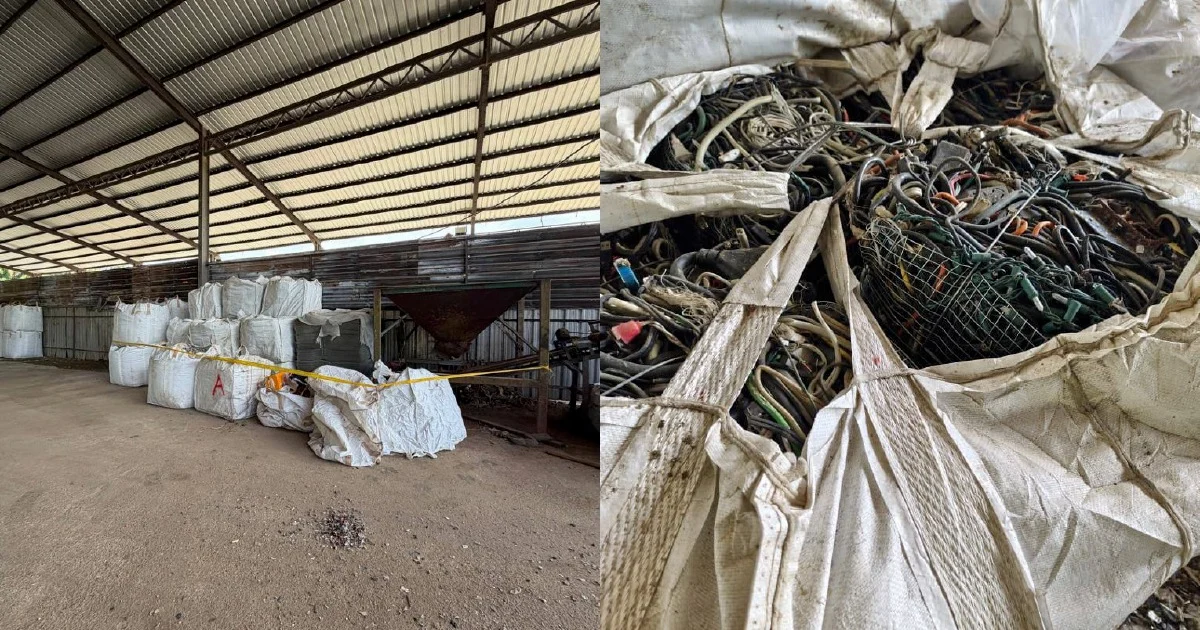
A significant crackdown on illegal electronic waste handling has resulted in the seizure of approximately RM3 million worth of e-waste materials from an unlicensed facility in Bukit Mertajam. The enforcement operation, conducted yesterday, also led to the arrest of five individuals suspected of operating the clandestine processing and storage operation without proper authorisation or environmental compliance measures.
The raid represents an escalation in the authorities' efforts to combat the growing problem of illegally managed electronic waste in Malaysia. E-waste processing facilities that operate outside regulatory frameworks pose substantial environmental and public health risks, as they often lack proper containment systems and safety protocols necessary to prevent contamination. The Bukit Mertajam facility exemplifies the type of underground operation that continues to thrive in industrial areas across the nation, frequently escaping detection through remote locations or deliberate concealment of activities.
Electronic waste constitutes one of the fastest-growing waste streams globally, and Malaysia's rapid adoption of consumer electronics has made the country vulnerable to becoming a dumping ground for imported e-waste. The scale of yesterday's seizure—at RM3 million—suggests a sophisticated operation with significant material throughput, likely involving the disassembly and extraction of valuable components from discarded computers, mobile devices, televisions, and industrial equipment. These operations typically generate substantial revenue by salvaging precious metals and selling recovered materials to downstream industries, often with minimal regard for environmental safeguards.
The five arrested individuals now face potential prosecution under relevant environmental protection legislation, which carries penalties including substantial fines and imprisonment. Malaysia's Environmental Quality Act and related regulations stipulate strict requirements for e-waste management, including mandatory licensing, designated processing areas, and proper disposal protocols. Operators who circumvent these requirements expose workers and surrounding communities to hazardous substances including lead, mercury, and various toxic compounds inherent to electronic equipment.
Bukit Mertajam's location in Penang makes it a strategically significant hub for industrial and manufacturing activities in the northern region. The seizure in this area highlights how illegal e-waste operations have penetrated even developed urban-industrial zones, suggesting that enforcement agencies face considerable challenges in identifying and shutting down unlicensed facilities. The sophistication required to establish and maintain such operations undetected indicates the existence of a supply chain network linking generators of e-waste, processing operators, and buyers of recovered materials.
For Malaysian manufacturers and businesses generating electronic waste through normal operations, the enforcement action underscores the importance of engaging only licensed waste management providers. Improper disposal not only carries legal liability but also contributes to environmental degradation and poses reputational risks in an era of increasing corporate sustainability scrutiny. Companies face growing pressure from international partners and consumers to demonstrate responsible waste management practices.
The operation also reflects broader regional concerns about e-waste management in Southeast Asia. Neighbouring countries have expressed alarm about transboundary waste flows, with evidence suggesting that developed nations sometimes redirect e-waste to processing facilities in developing countries with less stringent enforcement. Malaysia's geographic position and established electronics manufacturing sector make it a potential transit point for such flows, requiring coordinated enforcement with port authorities and customs agencies.
Environmental advocates have long warned about the human health consequences of uncontrolled e-waste processing. Workers in informal facilities typically lack protective equipment and are exposed chronically to hazardous substances, while communities near such operations face groundwater and soil contamination risks. The seized materials' estimated value of RM3 million reflects the economic incentives driving illegal operations, which can generate substantial profits by avoiding compliance costs associated with licensed facilities.
The successful raid demonstrates that enforcement agencies possess capability to identify and dismantle these operations when intelligence and resources align effectively. The arrests serve as a potential deterrent, though industry experts suggest that sustained enforcement requires ongoing investment in monitoring technologies, community reporting mechanisms, and inter-agency coordination. Multiple enforcement bodies, including environmental agencies, police, and local authorities, must collaborate to achieve lasting results against organised illegal waste handling networks.
Moving forward, stakeholders emphasise the need for complementary approaches alongside enforcement, including public awareness campaigns about proper e-waste disposal, incentive schemes encouraging participation in formal recycling systems, and industry support for developing Malaysia's licensed e-waste management capacity. The current shortage of licensed processing facilities has inadvertently encouraged operators to establish illegal alternatives, creating an asymmetry between waste generation rates and legitimate management infrastructure.
The Bukit Mertajam operation will likely be documented as evidence in Malaysia's growing body of enforcement actions against illegal e-waste facilities, contributing to a clearer picture of the challenge's scope. Authorities have indicated that investigations into the supply chains and end-markets for the processed materials will continue, potentially implicating additional individuals or entities along the illegal e-waste value chain. The case exemplifies the intersection of environmental crime, public health risk, and economic gain that characterises the contemporary e-waste challenge in Malaysia.