The Federal government's commitment to bridging infrastructure gaps in East Malaysia took concrete form this week with the announcement of a RM4.06 billion allocation dedicated exclusively to expanding rural water supply across Sabah. The injection of funds, channelled through the Rural Water Supply (BALB) programme under the Ministry of Rural and Regional Development (KKDW), represents a significant shift in how Kuala Lumpur approaches the persistent challenge of water access in remote settlements that have historically struggled with basic service provision.
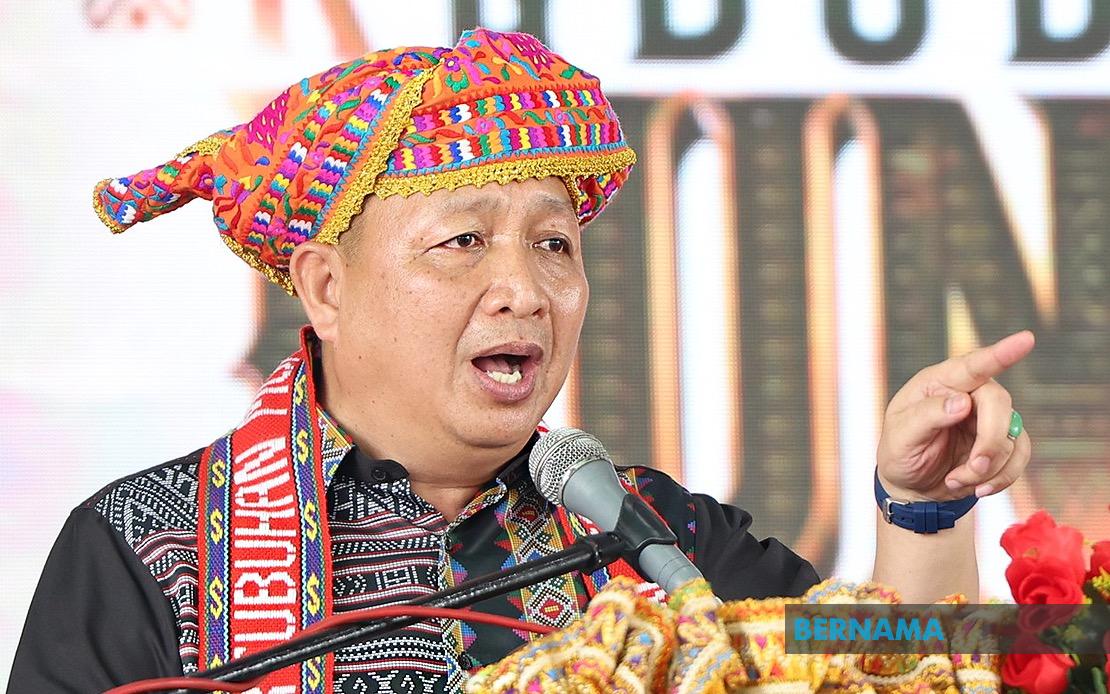
Kota Marudu Member of Parliament Datuk Wetrom Bahanda, who leads the Malaysian Momogun Rungus Association (PMRM), underscored the importance of this allocation in meeting the everyday water needs of communities scattered across Sabah's interior regions. The announcement was made during the Rungus Cultural Festival in Kudat, where Deputy Prime Minister Datuk Seri Dr Ahmad Zahid Hamidi formally unveiled the funding commitment, linking infrastructure investment to the government's broader agenda of inclusive development across Malaysia's less-developed regions.
What distinguishes this initiative from previous rural development efforts is the deliberate decision to grant state government the primary responsibility for implementing the scheme. Rather than maintaining centralised control from Putrajaya as has been conventional practice, the Federal authorities recognised that Sabah's government possesses superior ground-level knowledge of community demands and geographical realities. Wetrom highlighted how this decentralisation approach allows for more responsive allocation of resources based on actual conditions faced by rural populations, rather than decisions made from the nation's capital without intimate understanding of specific challenges.
The water supply project arrives amid an ambitious broader infrastructure revamp targeting Sabah's interior communities. Complementing the BALB initiative are multiple rural road construction projects currently receiving substantial ministry funding, including connections between Sonsogon and Megandai, as well as the Mangin route. Beyond these immediate undertakings, the government has committed to upgrading several additional thoroughfares—Jalan Rendemon, Jalan Teringai, Jalan Sembayan, and the stretch connecting Jalan Raritiden to Pampang Poring—each designed to enhance accessibility for settlements that have long remained isolated during monsoon seasons and periods of heavy rainfall.
For districts like Kota Marudu and Kudat, infrastructure advancement carries profound economic implications. Wetrom acknowledged that these areas have languished among Malaysia's poorest regions, a status that reflects not inherent deficiency but rather decades of underinvestment and neglect. By simultaneously tackling water access and transport connectivity, the Federal and state governments are attempting to establish foundational conditions necessary for economic diversification and improved living standards. Clean water and passable roads form the bedrock upon which education services, healthcare delivery, and commercial opportunity can develop.
The significance of this investment extends beyond immediate practical benefits. Recognition of rural infrastructure deficits has emerged as a recurring theme in Malaysian politics, yet translating recognition into substantial resource allocation remains challenging given competing demands across the country. The RM4.06 billion commitment signals serious intent, though implementation quality will ultimately determine whether communities receive genuine benefit or merely witness resource transfer without tangible improvement. State governments must demonstrate capability to deploy these funds efficiently, avoiding typical pitfalls of project delays, cost overruns, and technical inadequacy that have plagued previous initiatives.
Wetrom further noted government support for another significant development proposal: elevating Matunggong subdistrict to full district status. This administrative restructuring, when completed, would enable the area to access development funding pools typically reserved for districts, potentially multiplying resources available for local infrastructure and services. For populations in peripheral regions of Sabah, administrative elevation represents not merely bureaucratic reorganisation but tangible pathway to improved governance responsiveness and expanded public investment.
The convergence of these initiatives—water supply funding, road network expansion, and administrative restructuring—suggests a coordinated strategy toward regional development rather than ad hoc responses to localised grievances. Whether this coordination extends to coordinating implementation timelines and ensuring complementary project sequencing remains to be observed. Water systems function optimally when communities can readily access maintenance services, implying that road improvements should precede or accompany water infrastructure deployment rather than following it chronologically.
For Southeast Asian observers, Malaysia's approach to rural infrastructure challenges offers instructive lessons. Decentralising implementation authority to subnational governments, grounded in recognition that local administrations possess superior knowledge of community needs, contrasts with centralised development models that predominate elsewhere in the region. However, success depends entirely on whether state governments possess sufficient technical capacity, institutional integrity, and financial discipline to execute complex infrastructure projects responsibly. Sabah's experience with the RM4.06 billion water supply programme will consequently merit close monitoring as a potential model for other Malaysian states and neighbouring nations wrestling with rural service delivery deficits.
The RM4.06 billion investment ultimately represents government acknowledgement that rural populations deserve equivalent access to essential services as urban Malaysians enjoy. Whether this acknowledgement translates into functioning water systems reaching remote Sabahan villages within reasonable timeframes will determine the programme's genuine impact on living conditions and opportunities for communities that have waited far too long for basic infrastructure equality.

