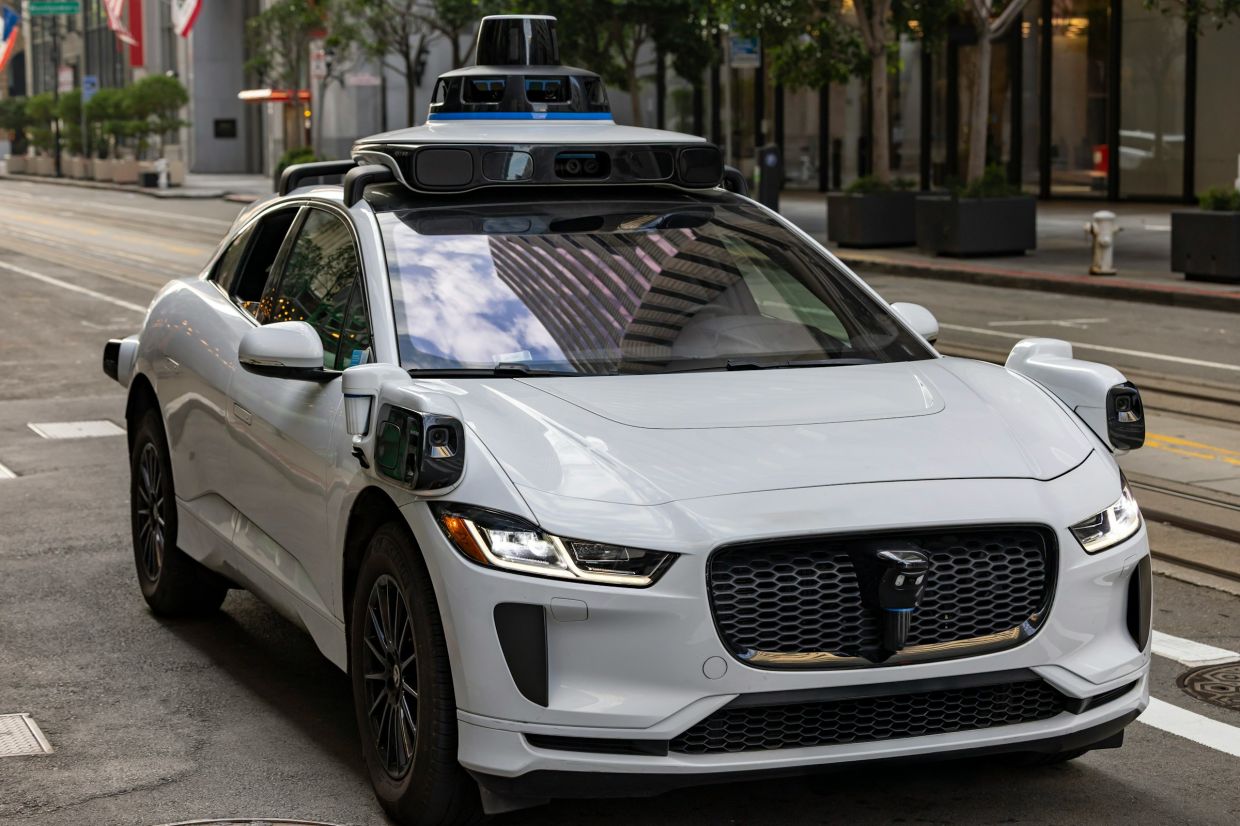
When a fatal gas explosion tore through a building in late May, rescue workers found themselves stalled behind a robotaxi whose artificial intelligence simply could not compute the urgency of the moment. Over three minutes elapsed as the autonomous vehicle's systems failed to recognize the emergency and clear the path, a delay that could prove catastrophic in scenarios where every second matters. This incident was not an isolated mishap. In March, when a gunman opened fire at a bar in central Austin, ambulances rushing to the scene encountered another Waymo vehicle frozen mid-maneuuvre, completely blocking access to the crime scene. A police officer ultimately had to physically enter the vehicle to move it aside, underscoring how far autonomous systems still lag behind human judgment in recognising social and safety contexts.
These failures have galvanized local policymakers into action. Texas has enacted new legislation imposing stricter controls on autonomous vehicle operators, including formal licensing requirements, mandatory emergency response protocols, public complaint mechanisms, and expanded regulatory authority. The measures reflect broader frustration with the pace of autonomous vehicle deployment outpacing the development of adequate safeguards. Regulators and emergency services increasingly recognize that robotaxis cannot simply follow traffic rules in isolation; they must understand and accommodate the chaotic reality of emergency situations where normal protocols dissolve.
A systematic review by CNN identified hundreds of incidents involving robotaxis engaging in hazardous behaviour that human drivers would instinctively avoid. Vehicles have run red lights, drifted into oncoming lanes, and penetrated active crime scenes. They have ignored temporary road closures and come perilously close to cyclists and pedestrians lawfully using the roads. These are not edge cases or theoretical concerns but recurring patterns that suggest fundamental limitations in how autonomous systems perceive and respond to complex urban environments. In the past eight weeks alone, Waymo has been forced to recall thousands of vehicles and suspend operations in multiple cities, including San Antonio where an unoccupied robotaxi was swept away in floodwaters after the vehicle failed to recognize the dangers of driving through submerged streets.
Waymo counters these criticisms by pointing to safety statistics that suggest autonomous vehicles significantly outperform human drivers in preventing serious injury crashes, claiming their fleet is thirteen times less likely to be involved in such incidents. The company frames its vehicles as a net positive for road safety despite individual failings. However, this comparison misses a crucial point: safety statistics derived from controlled or relatively predictable conditions may not translate to the chaotic, context-dependent scenarios that emergency services navigate daily. A robotaxi that performs well in routine traffic may still freeze in a crisis, defeating the purpose of emergency response infrastructure.
The problems extend beyond individual technical glitches. In Atlanta, dozens of Waymo vehicles malfunctioned simultaneously when a software error routed multiple driverless cars into the same residential cul-de-sac, where they circled repeatedly in what residents described as an invasion. The incident revealed how failures in autonomous systems can cascade unpredictably, affecting not just individual vehicles but clusters of them. Such events undermine public confidence and expose the gaps between how these systems perform in testing environments and how they behave in actual urban neighbourhoods where children play and residents expect safe streets.
China's experience with thousands of operational robotaxis offers sobering lessons about transparency and public trust. When over 100 Baidu robotaxis simultaneously stopped working in Wuhan, the company offered only vague explanations about a "system failure," declining to engage substantively with media inquiries. This opacity has fuelled safety concerns among Chinese residents, compounded by anxieties among traditional taxi drivers facing job displacement. The lack of clear communication about failures and their causes creates a credibility problem that no amount of statistical safety claims can overcome. Without transparency, the public cannot assess risks accurately or hold operators accountable.
The technical challenges underpinning these failures run deeper than simple programming oversights. Autonomous systems must coordinate across multiple domains: sensor perception, object recognition, route planning, and critically in emergencies, communication protocols with first responders. If a robotaxi can unlock remotely but only after receiving official identifiers, passengers could be trapped during a crisis. Similarly, when robotaxis become stuck attempting manoeuvres in narrow spaces or around temporary obstacles, they demonstrate that even statistically safe vehicles can fail catastrophically when boundary conditions deviate from their training data. Emergency mode requires fail-safe design principles that go beyond optimizing for average performance.
Many of these incidents stem not from perception failures alone but from a fundamental disconnect between autonomous decision-making and human communication. Traditional driver assistance systems are designed around defined driver interactions; in contrast, robotaxi operations demand comprehensive emergency protocols that account for how first responders think and act. A vehicle that cannot recognize a police officer's gesture or an ambulance's urgency cannot be trusted near emergency scenes. Developers have largely optimized for normal driving conditions, leaving emergency integration as an afterthought rather than a core design requirement.
Waymo continues expanding despite these setbacks, introducing a new vehicle variant called Ojai developed with Zeekr and running sixth-generation software. Yet questions linger about whether product iterations address the fundamental emergency response problems revealed by recent incidents. Engineers can improve software and sensors incrementally, but teaching machines to understand human social contexts and emergency priorities requires a different approach. The new Texas regulations suggest a broader shift toward requiring autonomous operators to align their development priorities with compliance demands rather than pushing expansion first and managing consequences later.
The global robotaxi sector now faces a critical juncture. China has embraced the technology with thousands of vehicles operating with minimal friction, yet questions about safety and accountability persist quietly. The United States and Europe are moving toward tighter regulatory frameworks, effectively pumping the brakes on expansion until autonomous vehicles can demonstrate reliable integration with emergency services and unpredictable real-world scenarios. For Southeast Asia, which is watching these developments closely, the lesson is clear: permitting robotaxis to operate without proven emergency protocols and regulatory oversight is inviting the same crises now unfolding abroad. The technology itself may eventually prove transformative for road safety, but only if companies take seriously the systemic failures revealed by these incidents and regulators enforce standards that prioritize public safety over commercial deployment timelines.

