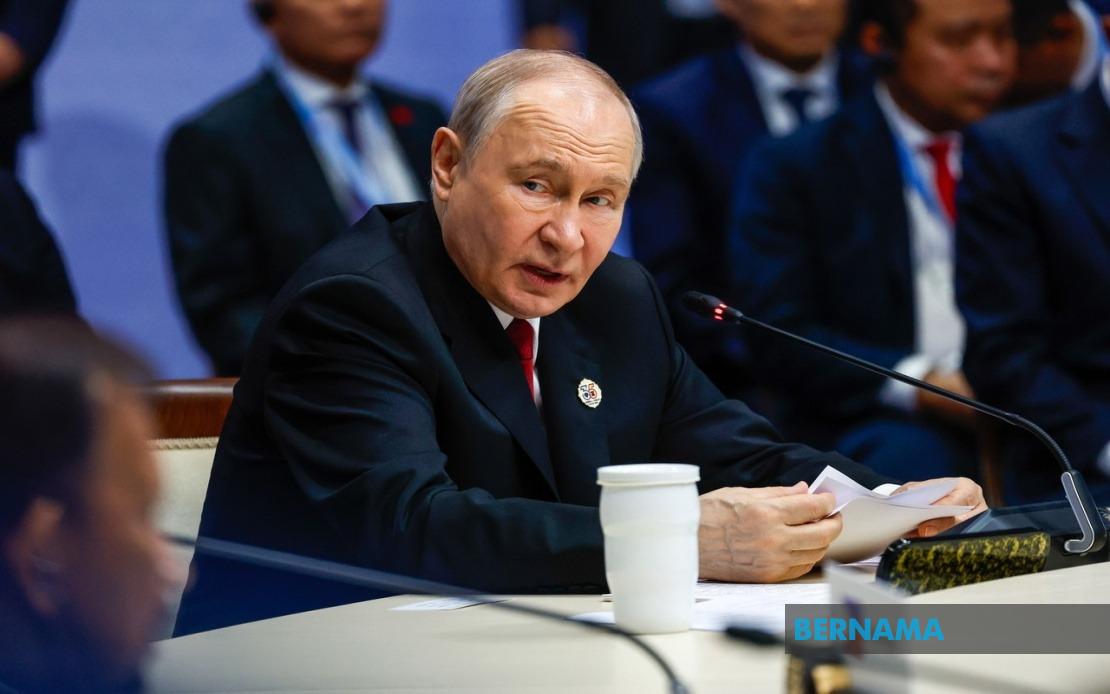
Russia and ASEAN have cultivated a comprehensive strategic partnership spanning 35 years that now serves as a stabilising influence across the Asia-Pacific region during a period marked by significant geopolitical tensions, according to Russian President Vladimir Putin. Speaking at the ASEAN-Russia Commemorative Summit in Kazan, Putin underscored the depth of institutional cooperation between Moscow and Southeast Asia's ten-member bloc, describing their relationship as foundational to maintaining regional balance and security architecture.
The bilateral engagement between Russia and ASEAN traces its origins to 1991, when Moscow formally established relations with the association in Kuala Lumpur during the early post-Cold War period. This initial connection evolved considerably over subsequent decades, with Russia achieving full ASEAN Dialogue Partner status in 1996—a designation that reflected growing mutual interests. The relationship reached a significant milestone in 2018 when it was formally elevated to Strategic Partnership status, signifying both sides' commitment to deepening engagement across political, security, economic and socio-cultural dimensions.
Putin emphasised that the enduring relationship rests upon adherence to international law and shared strategic interests. These foundational principles have enabled the two sides to construct an extensive institutional framework comprising numerous joint mechanisms and contractual agreements. The architecture supporting Russia-ASEAN cooperation now encompasses multiple sectors that reflect both parties' evolving priorities and complementary strengths. This systematic approach to partnership-building has allowed for sustained progress even during periods of international tension.
The scope of Russia-ASEAN collaboration has broadened significantly, extending beyond traditional diplomatic channels into substantive areas of mutual benefit. Security cooperation remains a cornerstone, though the partnership increasingly emphasises commercial and technological dimensions. Trade and investment flows have expanded as ASEAN nations seek diversified economic partnerships, while Russian expertise in energy resources, agricultural technology, and higher education holds particular appeal for Southeast Asian governments pursuing development objectives. Digital transformation initiatives represent an emerging frontier, reflecting both regions' recognition of technology's role in economic competitiveness.
For Malaysian readers and broader Southeast Asian audiences, Russia's positioning within regional architecture carries distinct implications. ASEAN's non-aligned tradition and emphasis on maintaining dialogue with multiple major powers has historically positioned Russia as a counterbalance to Western-dominated security arrangements. The strategic partnership acknowledges this role while opening avenues for practical cooperation in sectors where Russian capabilities address regional needs—particularly in energy security, where several ASEAN members depend on diversified supply sources to insulate themselves from market volatility.
The commemorative summit held in Kazan addressed current regional and international challenges while reviewing three decades of accumulated cooperation. Both sides used the occasion to chart future directions for their partnership, identifying priority areas for expanded engagement. The timing reflects broader trends in Asia-Pacific geopolitics, where established powers seek to strengthen relationships with ASEAN amid competition for regional influence. Russia's emphasis on ASEAN's stabilising role likely references the bloc's efforts to maintain neutrality in great power competition while promoting development and integration within Southeast Asia.
ANEAN's collective approach to Russia differs markedly from Western positioning, reflecting the region's historical experience of colonialism and subsequent emphasis on sovereignty and non-interference. Individual Southeast Asian nations maintain varying bilateral relationships with Moscow based on their respective geographic, economic and strategic circumstances. Some ASEAN members have significant energy partnerships with Russia, while others emphasise cultural and educational exchanges. This differentiated approach allows the bloc to engage Russia constructively while preserving its own autonomy and avoiding alignment pressures.
The summit's focus on food and energy security reveals practical dimensions of Russia-ASEAN cooperation that extend beyond diplomatic symbolism. Energy remains particularly significant, as several ASEAN nations import oil and gas while others possess substantial reserves. Russia's position as a major energy exporter creates natural grounds for partnership, though geopolitical tensions and sanctions regimes have complicated commercial relationships. Agricultural cooperation similarly addresses ASEAN interests in food security and production efficiency, domains where Russian expertise in cold-climate agriculture and mechanisation holds potential value for tropical Southeast Asian contexts.
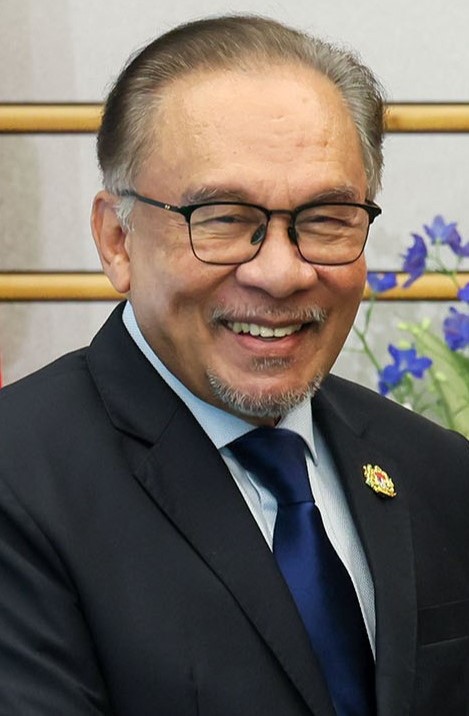
Prime Minister Anwar Ibrahim and Philippine President Ferdinand Marcos Jr, representing ASEAN's current chair, attended the summit alongside other ASEAN leadership. This high-level participation underscores the partnership's importance within ASEAN's broader portfolio of great power relationships. The Philippines' role as current chair carries particular significance given Manila's geographic proximity to China and its complex relationship with major powers. ASEAN's collective engagement with Russia thus reflects the bloc's balancing act in navigating great power competition while pursuing concrete cooperative benefits.
Digitalisation and technology cooperation represent forward-looking dimensions of the partnership likely to expand significantly. As Southeast Asian nations pursue digital economy objectives and technological upgrading, Russian expertise in software development, cybersecurity and advanced computing offers complementary capabilities. Educational exchanges and scientific cooperation provide additional mechanisms for deepening people-to-people connections and building long-term institutional ties across universities and research institutions.
The strategic partnership between Russia and ASEAN operates within a complex regional environment characterised by territorial disputes, economic integration pressures and competing security interests. ASEAN's ability to maintain productive relationships with Russia while simultaneously engaging other major powers demonstrates the bloc's diplomatic maturity and commitment to preserving strategic space. For Malaysia and other ASEAN members, this diversified approach to external partnerships provides flexibility in pursuing national interests while contributing to regional stability.
Looking ahead, the Russia-ASEAN partnership faces evolving circumstances that will test its resilience and adaptability. Geopolitical tensions, economic sanctions, and shifting regional alignments may constrain certain cooperative dimensions while creating opportunities in others. The commemoration of 35 years of relations provides both sides opportunity to acknowledge achievements while establishing foundations for future engagement across expanding domains. For Southeast Asia, sustaining constructive relationships with Russia remains consistent with ASEAN's foundational principle of maintaining strategic autonomy and preventing the region from becoming a zone of great power confrontation.