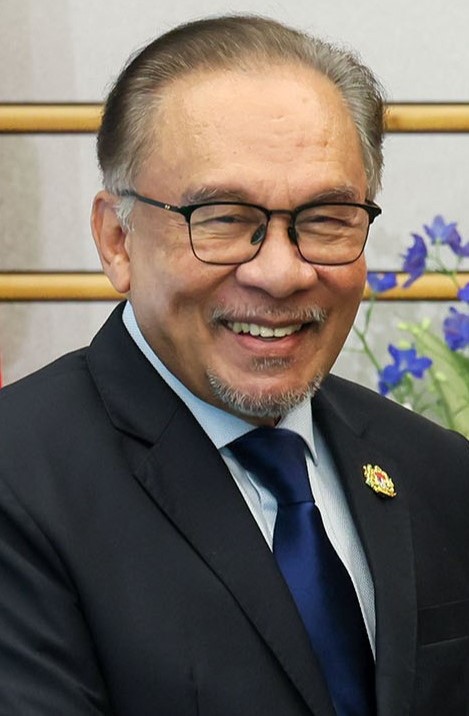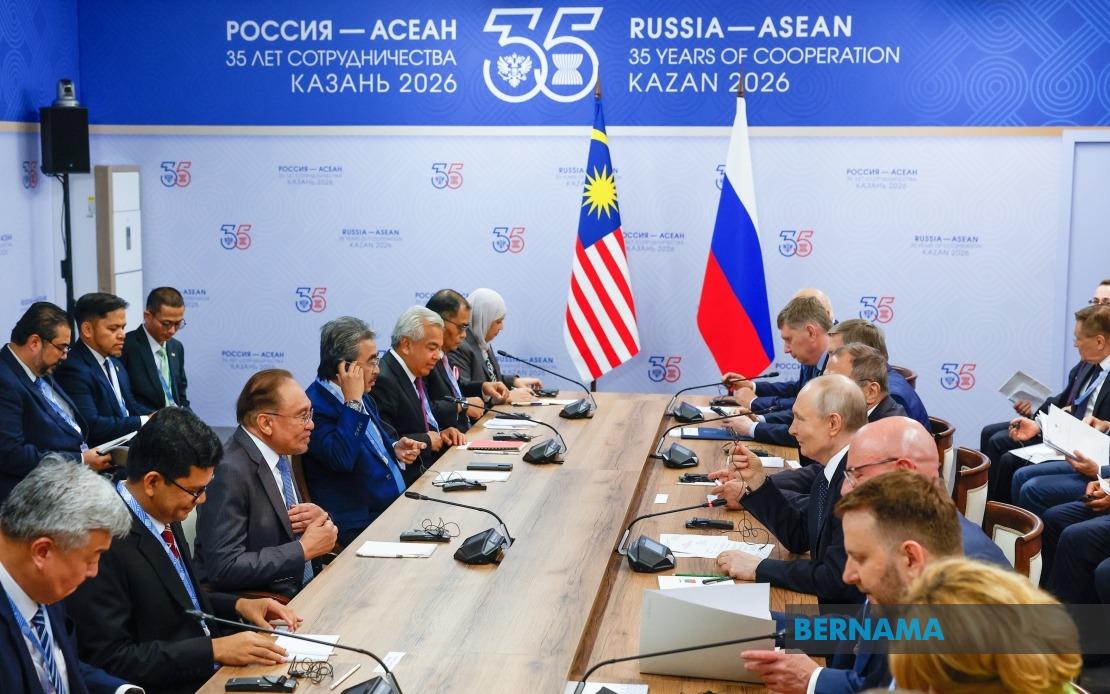
Russian President Vladimir Putin has affirmed that Moscow and Kuala Lumpur are well-positioned to intensify their partnership, highlighting the approaching 60th anniversary of formal diplomatic recognition between the two nations. Speaking during a bilateral meeting with Malaysian Prime Minister Datuk Seri Anwar Ibrahim at the ASEAN-Russia Commemorative Summit in Kazan, Putin underscored the depth of engagement both countries have cultivated, characterising their relationship as built upon a foundation of "substantive positive experience" in mutual cooperation across multiple sectors.
The Russian leader's remarks reflect a broader strategic calculus in Moscow's engagement with Southeast Asia, a region where maintaining diplomatic and economic presence remains a priority amid international tensions. Putin noted that Russia and Malaysia have established regular communication channels through their respective government ministries, specialised agencies, and parliamentary bodies, creating multiple layers of institutional dialogue. This institutional architecture has facilitated the work of an intergovernmental commission dedicated to advancing joint initiatives in the economic, scientific, technical, and cultural domains—practical mechanisms that translate political goodwill into tangible outcomes.
Trade performance between the two countries has emerged as a concrete indicator of bilateral momentum. Putin highlighted that commerce between Russia and Malaysia expanded by 12.9 per cent during 2025, a figure that acquires significance given the broader context of global economic volatility and the sanctions environment affecting Russian commerce. This growth rate, though modest in absolute terms, suggests that both nations have found pathways to sustain economic engagement despite external pressures, signalling resilience in their commercial relationship and the effectiveness of existing trade frameworks.
Beyond commerce, Putin emphasised Moscow's commitment to broadening cooperation in education, scientific research, technological development, tourism, and humanitarian endeavours. These sectors represent areas where Russian and Malaysian interests frequently converge, particularly in areas such as space technology, energy security, and higher education partnerships. For Malaysia, engagement with Russia in these domains provides diversification benefits, offering alternative partnerships to established relationships while expanding avenues for knowledge transfer and skills development across multiple fields.
A particularly noteworthy element of Putin's address was his recognition of Malaysia's pivotal role within ASEAN and the broader Asia-Pacific framework. He acknowledged that Malaysia chaired the Association of Southeast Asian Nations in the previous year and praised Kuala Lumpur's continued support for strengthening the strategic partnership between Russia and ASEAN as a collective entity. This observation carries weight beyond diplomatic courtesy; it reflects Moscow's recognition that bilateral relationships with individual ASEAN members must be complemented by engagement with the regional bloc itself, a nuanced understanding of Southeast Asian geopolitics.
Putin recalled that the first summit-level meeting between Russia and ASEAN occurred in Malaysia in 2005, a historical marker that positions Kuala Lumpur as a significant node in Russia-ASEAN relations. This precedent underscores Malaysia's consistent importance to Russian strategic interests in Southeast Asia and its utility as a diplomatic partner capable of bridging Moscow's interests with broader regional concerns. The emphasis on Malaysia's historical role suggests that Russia views continued investment in bilateral ties with Kuala Lumpur as instrumental to maintaining Moscow's relevance within regional multilateral forums.
The foundation upon which Russia-Malaysia relations rest, according to Putin, comprises mutual respect and principled consideration of respective national interests. This framing reflects a diplomatic language that appeals to Malaysian sensibilities regarding non-interference and sovereignty—core principles that have guided Malaysian foreign policy across multiple administrations. By emphasising these foundational principles, Putin signals that Russia's approach to bilateral engagement respects Malaysia's domestic political autonomy and its capacity to pursue independent foreign policy decisions.
Personal diplomatic continuity also featured in Putin's remarks, as he referenced prior interactions with Anwar and extended felicitations to His Majesty Sultan Ibrahim, King of Malaysia. Such gestures, while seemingly ceremonial, serve important functions in maintaining the informal networks and personal relationships that often facilitate high-level political cooperation. Putin's explicit request that Anwar convey his regards to the Malaysian monarch underscores the importance he attaches to relationships with Malaysia's institutional leadership and his awareness of the ceremonial dimensions of Malaysian statecraft.
For Malaysia, the convergence of these factors—institutional cooperation frameworks, growing trade, sectoral partnership expansion, and Russian recognition of ASEAN's importance—presents both opportunities and strategic considerations. As Malaysia navigates a multipolar international environment where maintaining relationships across competing powers remains advantageous, the deepening of Russia ties aligns with Kuala Lumpur's broader balancing strategy. However, such engagement requires careful calibration to ensure that relations with Moscow do not complicate Malaysia's existing partnerships with Western nations and other regional powers.
The diplomatic timing is also significant. Discussions of the 60th anniversary framework occur at a moment when Russia faces international isolation in certain forums and when ASEAN members themselves display varying degrees of engagement with Moscow. Malaysia's willingness to host high-level discussions and support Russia-ASEAN strategic partnership initiatives positions it as a pragmatic broker within regional diplomacy, demonstrating that ASEAN states can maintain multifaceted international relationships despite global polarisation. This approach aligns with Malaysia's longstanding foreign policy doctrine of maintaining equidistant relationships and avoiding forced alignment.
The bilateral meeting also reflects broader Russian strategic calculations regarding Asia. Despite being heavily focused on European geopolitics, Russia recognises the importance of sustaining presence and influence in Asia through selective, substantive partnerships. Malaysia, as an economically significant ASEAN member with Muslim-majority demographics and moderate geopolitical influence, provides Russia with a credible channel for regional engagement and demonstrates Moscow's continued relevance beyond traditional Cold War spheres of influence.
Moving forward, the approaching 60th anniversary presents an opportunity for both nations to articulate shared interests and formalise cooperation frameworks that extend beyond the immediate bilateral sphere. Whether such commemorative occasions translate into deepened institutional cooperation or remain primarily ceremonial will depend on sustained commitment from both governments to identifying specific areas of mutual benefit and maintaining the political will to advance them despite external pressures and competing international alignments.