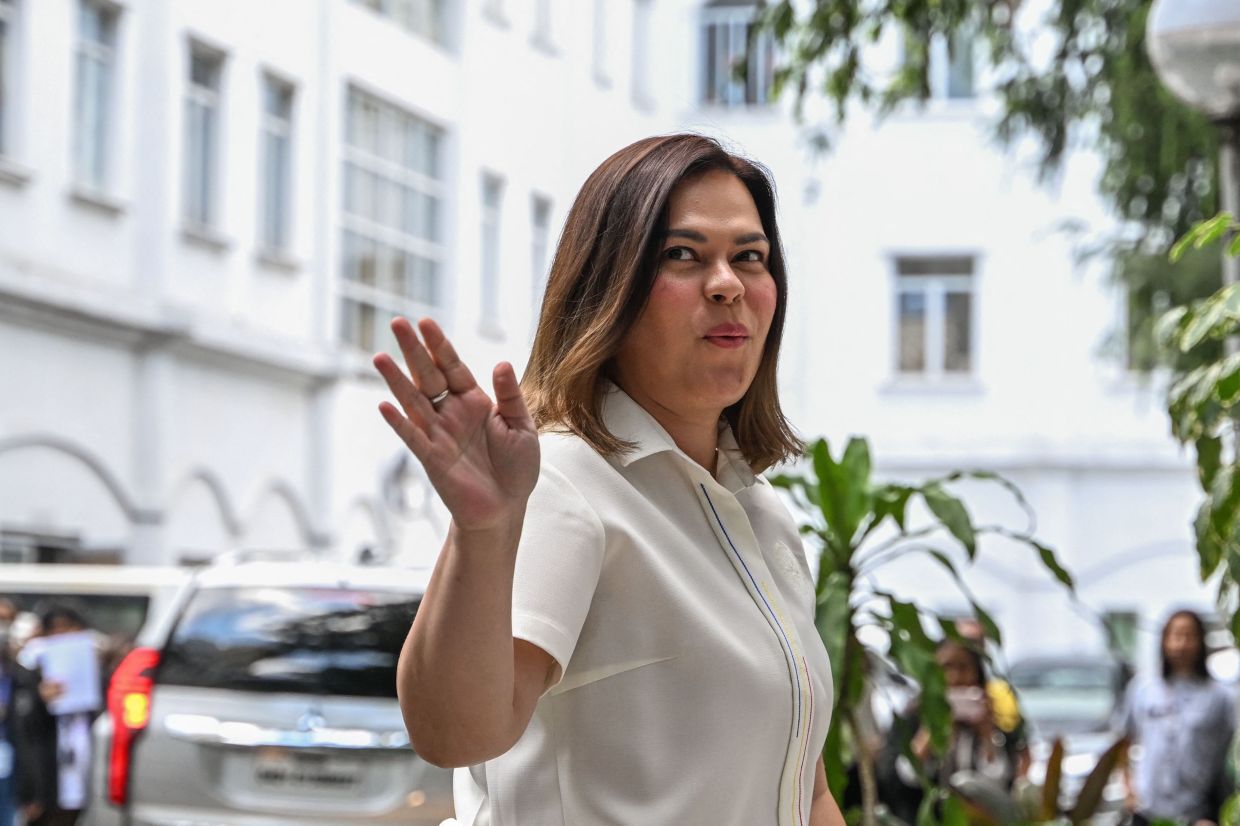
Vice President Sara Duterte is currently outside the Philippines on an officially sanctioned international journey that will keep her abroad through the end of July, according to confirmation from the presidential palace in Manila on Tuesday. The timing of her departure has coincided with ongoing impeachment proceedings against her, raising questions about the political dynamics within President Ferdinand Marcos Jr's administration during a period of significant institutional tension.
The Office of the Executive Secretary formally approved Duterte's extended foreign visit, which commenced on July 16 and extends until July 31. Palace spokesperson Claire Castro disclosed at a media briefing that the Vice President's itinerary encompasses several destinations across Europe and the Middle East, including stops in Qatar, Germany, the United Kingdom, Northern Ireland, and the Netherlands. The palace characterised the journey as a "personal trip," though the duration and scope of the travel raises questions about the nature and purpose of the extended absence during a critical political moment.
The Vice President's current location is The Hague in the Netherlands, where she has reportedly travelled to be near her father, former President Rodrigo Duterte, who remains detained in the Dutch city. The elder Duterte has been held there since March of the previous year while awaiting trial proceedings before the International Criminal Court scheduled for November 30. The circumstances surrounding the former president's detention stem from serious allegations relating to extrajudicial killings documented during his administration's anti-drug and anti-criminal campaigns spanning 2011 to 2019, a period encompassing his tenure as Davao City mayor and his subsequent presidency.
The former Philippine leader faced arrest by domestic authorities following an International Criminal Court directive concerning crimes against humanity charges. Prosecutors contend that Duterte functioned as an indirect co-perpetrator in these alleged killings during the extensive security operations that characterised his years in office. The ICC proceedings represent one of the most significant international legal challenges ever mounted against a former Philippine head of state, with implications extending beyond Duterte's personal circumstances to broader questions about accountability for security force actions.
The intersection of Sara Duterte's impeachment trial and her overseas absence creates a complex political tableau within the Marcos administration. The Vice President faces serious allegations that prompted formal impeachment proceedings, yet the presidential office has granted approval for her extended foreign sojourn during this sensitive period. Defence counsel Michael Poa, representing Duterte's interests, acknowledged her presence in The Hague during a court proceeding, while offering assurances that she would return to the Philippines in due course.
The approval of such an extended foreign trip during active impeachment proceedings is noteworthy within Philippine political practice, suggesting either a degree of agreement or acquiescence from the presidential office regarding the timing and nature of her absence. The Marcos administration's decision to permit the Vice President's departure carries implications for the trajectory of the impeachment process and reflects the complex relationship between the President and his Vice President, who come from different political traditions and constituencies.
Sara Duterte's position as Vice President places her second in the constitutional order of succession, making her absence during internal political turbulence a matter of more than routine significance. Her family's historical dominance in Mindanao politics and her substantial support base among provincial constituencies distinguish her from previous Vice Presidents, affording her particular political leverage and influence within the broader political structure. The decision to travel abroad while facing impeachment suggests confidence in her political position or perhaps strategic calculation regarding the timing of her return and renewed engagement with the trial.
The former President Rodrigo Duterte's detention in The Hague and impending ICC trial represent a watershed moment in Philippine legal and diplomatic history. The international prosecution of a former head of state for policies implemented during his administration sets unprecedented precedent and reflects the growing reach of international criminal justice mechanisms. For Malaysian and broader Southeast Asian observers, the developments surrounding Duterte's case carry implications for questions of state sovereignty, international jurisdiction, and the potential accountability of sitting or former leaders for security force operations.
The broader context of these events reveals deep institutional tensions within the Philippine political system. The impeachment process targeting the Vice President, concurrent with the ICC proceedings against the former President, reflects polarisation within Filipino politics regarding governance approaches, security policies, and democratic accountability. These parallel legal proceedings raise complex questions about the relationship between domestic constitutional processes and international justice mechanisms, particularly when those mechanisms target individuals with substantial political support and family-based power bases.
For the Philippines, Sara Duterte's extended foreign absence during impeachment represents a calculated political manoeuvre within a larger struggle over institutional direction and policy priorities. Her return date of July 31 will mark renewed engagement with the trial process and potentially signal strategic decisions about how she intends to navigate the constitutional challenge. The approval of her trip by the Marcos administration suggests either confidence in managing the proceeding's trajectory or acceptance of circumstances beyond presidential control, both interpretations carrying significance for understanding contemporary Philippine political dynamics.
The situation also underscores the complexity of governance within the Marcos administration, which includes figures with divergent political origins and constituencies. The President's willingness to approve his Vice President's extended absence during impeachment proceedings reflects the intricate balance of political forces within his cabinet and the broader political system. As the July 31 deadline approaches, attention will focus on Duterte's return and her engagement with the ongoing trial, as well as potential developments in her father's ICC proceedings.

