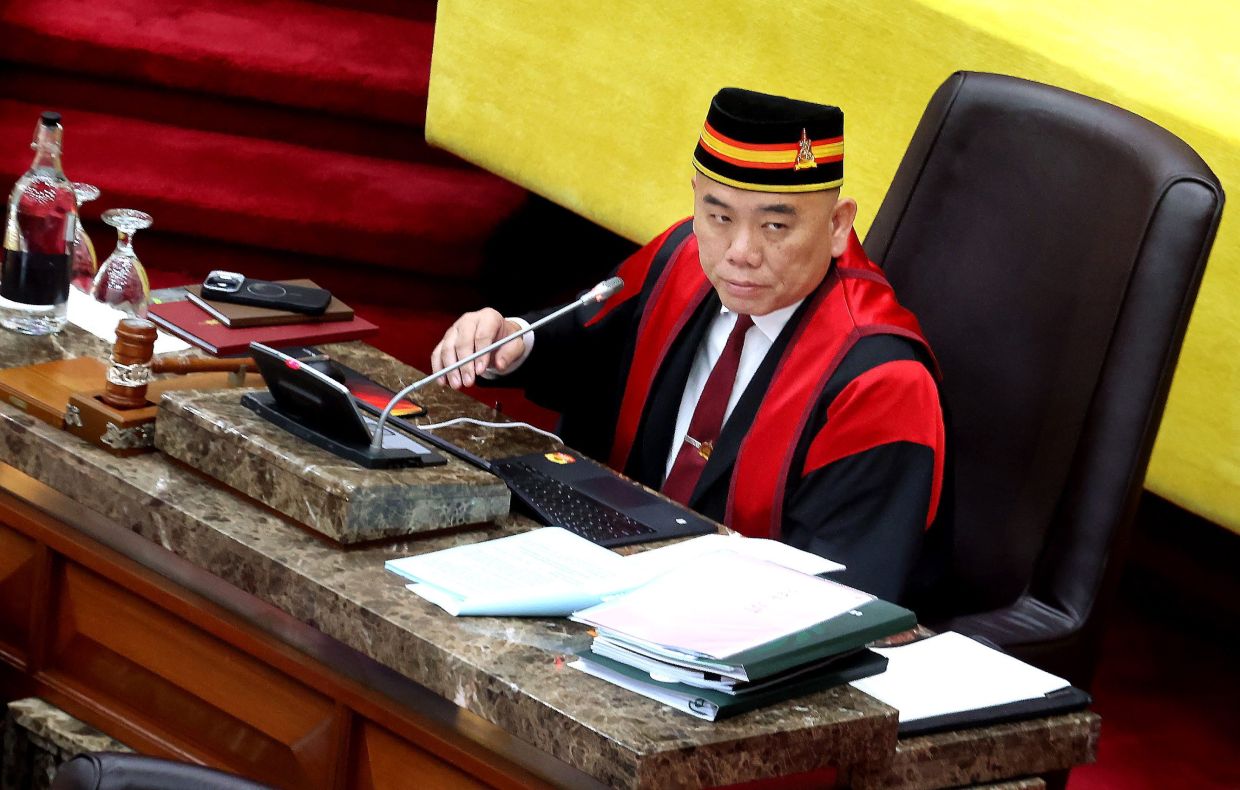
The Selangor State Legislative Assembly is conducting a formal inquiry into allegations that one of its members has been declared bankrupt, according to Speaker Lau Weng San, who disclosed the matter during the assembly's sitting in Shah Alam on Monday. The investigation remains active, though officials have declined to identify the lawmaker in question or provide a timeline for conclusions. Lau emphasised that the process demands thoroughness across multiple dimensions of scrutiny before any determinations can be reached.
Lau outlined the scope of the ongoing investigation, noting that it encompasses consultations with all relevant parties, examination of various constituencies, and consideration of any other circumstances bearing on the case. The Speaker stressed that confirmation of the assemblyman's identity has not yet been established through official channels. This measured approach reflects institutional caution regarding matters that carry significant implications for legislative membership and representation in the state.
The Speaker indicated that any consequences arising from the investigation would ultimately rest with Malaysia's electoral authority. He explained that the Election Commission holds the constitutional power to determine whether a by-election becomes necessary should the bankruptcy allegations be substantiated. This distribution of responsibility ensures that decisions about vacant seats and replacement procedures follow established legal frameworks rather than arising from the assembly's independent determination.
When pressed for information about the investigation's timeline, Lau declined to speculate about when findings might be announced. He stressed that rushing to conclusions would be inappropriate given the serious nature of the allegations and the need for absolute certainty before acting. The Speaker's cautious stance reflects the importance of establishing facts comprehensively before the assembly or electoral authorities take any formal action that affects representation.
Lau addressed questions about whether the individual in question might be among the lawmakers absent from Monday's proceedings. He clarified that assembly members miss sittings for legitimate reasons, and absence alone does not indicate misconduct or problems with a legislator's status. The Speaker noted that members may be excused from sessions due to medical leave, official duties, or other approved circumstances, and such absences form a routine part of parliamentary operations.
The Speaker elaborated on the constitutional mechanisms governing when an assemblyman's seat might be declared vacant in Selangor. Under the state's constitutional provisions, a seat becomes available for declaration of vacancy only after the assemblyman fails to attend sittings for six consecutive months without providing formal notification or obtaining permission. This threshold protects legislators from losing their positions due to temporary or brief absences and ensures that only prolonged, unauthorised absence triggers the procedure.
Lau referenced a precedent to illustrate how this provision functions in practice. Former Batang Kali assemblyman Harumaini Omar's seat was formally declared vacant on February 16, 2023, following his failure to attend assembly sessions for more than half a year without authorisation or explanation. The Omar case demonstrates that the six-month rule operates as a significant procedural safeguard, ensuring that the integrity of assembly membership is maintained through consistent participation in legislative business.
The investigation into alleged bankruptcy carries particular weight given Malaysia's constitutional and parliamentary conventions regarding legislative membership. Bankruptcy laws in Malaysia historically have implications for an individual's eligibility to hold public office, though the specific application varies by state and context. In Selangor's case, the investigation seeks to establish whether bankruptcy has occurred and, if so, what consequences should follow within the framework of state legislative procedures.
For Malaysian observers and regional watchers, this matter reflects broader questions about oversight mechanisms within state assemblies and the interplay between electoral law, bankruptcy provisions, and legislative eligibility. The deliberate pace of the inquiry demonstrates institutional commitment to due process, even though it creates uncertainty about the identity of the assemblyman and the timeline for resolution. The case underscores that legislative bodies in Malaysia take questions of membership eligibility seriously and pursue investigations with appropriate gravity.
The situation also highlights the delegation of certain decisions to the Election Commission, which maintains primary responsibility for election-related matters and by-election procedures. This separation of functions between the assembly and the commission ensures that determinations about legislative vacancies and subsequent elections proceed through properly constituted channels with relevant expertise and authority. Lau's explicit reference to the commission's role clarifies that the assembly gathers facts while electoral authorities make binding decisions about whether membership changes warrant electoral processes.
For Selangor constituents and the wider Malaysian electorate, the investigation's progression remains significant. Any substantiated findings of bankruptcy affecting an assemblyman could reshape representation in that particular constituency and influence voter perceptions of legislative oversight. The transparent acknowledgement that an investigation is proceeding, combined with the commitment to withhold judgement until facts are confirmed, suggests that Selangor's legislative leadership prioritises accuracy over speed in addressing questions about member eligibility.

