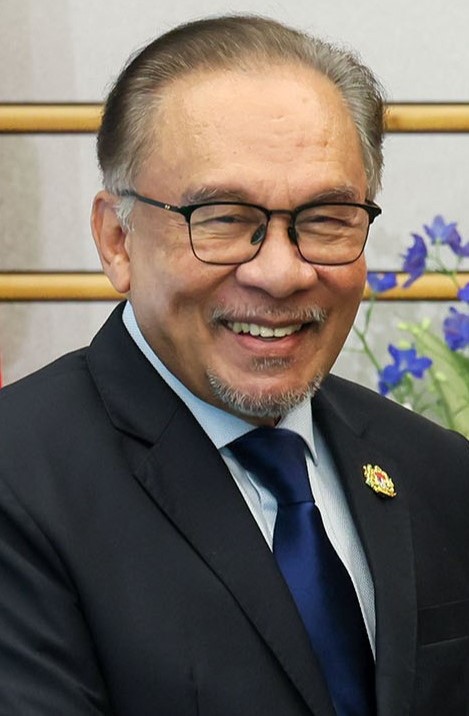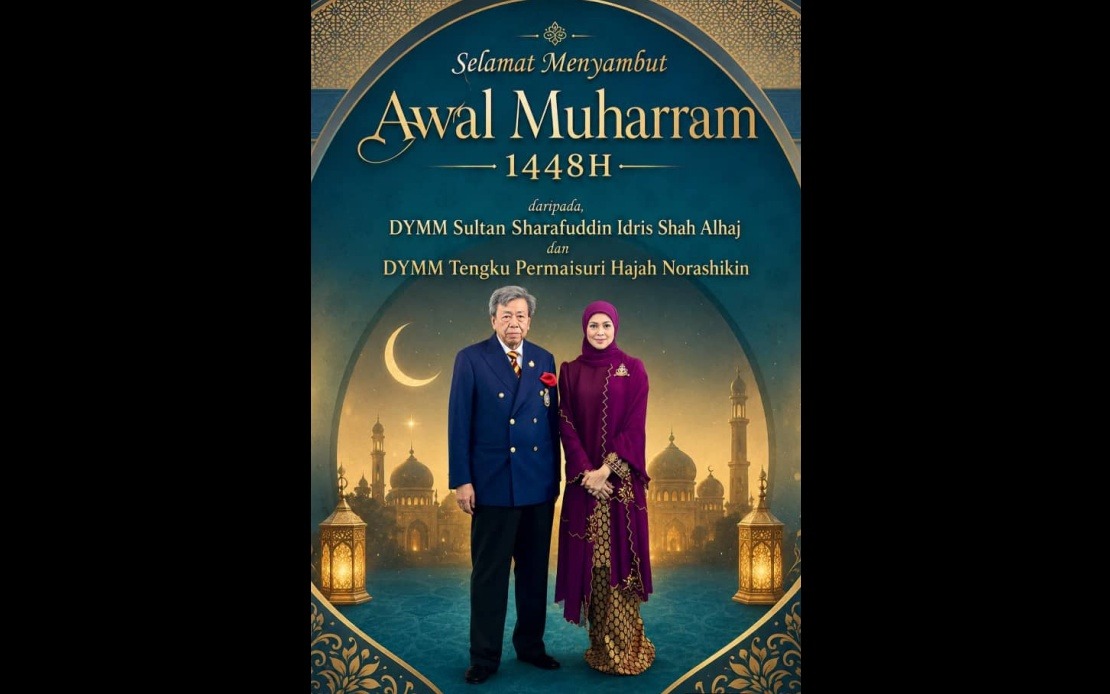
Sultan of Selangor Sultan Sharafuddin Idris Shah has renewed his appeal for Muslims to place collective harmony at the forefront when navigating the multifaceted challenges facing contemporary society, coinciding with the Islamic calendar's Maal Hijrah 1448H observance. Speaking in Shah Alam on June 16, the monarch articulated a vision of the Hijrah occasion that transcends its historical significance as a physical relocation, instead interpreting it as embodying profound spiritual transformation and the consolidation of Muslim strength across all segments of the ummah.
The ruler's message reflects a deeper philosophical understanding of what the Hijrah represents beyond its traditional narrative. Rather than viewing it simply as an exodus from Mecca to Medina fourteen centuries ago, Sultan Sharafuddin positioned the annual commemoration as a metaphorical journey toward positive renewal and collective advancement. This reframing carries particular relevance for Muslim-majority Malaysia, where navigating religious, ethnic, and political plurality demands continuous recalibration of communal values and priorities. The Sultan's emphasis on using the occasion to reinvigorate commitment to unity suggests recognition that the modern Muslim experience requires deliberate, sustained efforts to maintain solidarity in the face of competing interests and ideological currents.
Drawing upon the counsel of his predecessor, the late Sultan Salahuddin Abdul Aziz Shah, Sultan Sharafuddin underscored the imperative of avoiding confrontational public discourse. The inherited wisdom he referenced centres on the principle that Muslims should not engage in unfiltered expression of grievances or disagreements through open forums that risk fragmenting community cohesion. Instead, the Sultan advocated for channelling concerns and critiques through measured, respectful dialogue conducted away from public scrutiny. This approach reflects a traditional understanding of Islamic governance and community management wherein disputes are addressed through institutional pathways characterised by decorum, compassion, and mutual deference rather than adversarial positioning.
The Sultan articulated with striking clarity the mechanism through which disagreements should be processed and resolved within the Muslim community. Presenting a framework grounded in Islamic values of adab (courtesy) and hikmah (wisdom), he stipulated that when differences of opinion emerge, they must be addressed through thoughtful private engagement rather than contentious public proclamations. Should criticism or counsel become necessary, it must be delivered with gentleness and respect for the interlocutor's dignity. This prescription reflects concern that the contemporary tendency toward immediate public contestation—particularly through social media platforms—has compromised the Muslim community's capacity to deliberate matters internally and reach consensus through traditional mechanisms of consultation and reflection.
The monarch further elaborated on the consequences of allowing disputes to spill into the public domain unchecked. He observed that matters capable of resolution through amicable private negotiation lose that possibility once exposed to public discourse, where they inevitably become weaponised for political or factional advantage. By permitting internal disagreements to escalate into visible conflicts, the ummah inadvertently demonstrates its vulnerabilities to external observers who may exploit these fissures for their own strategic purposes. The Sultan cautioned that such exposure of weakness creates opportunities for divisive actors to magnify existing fractures, ultimately weakening Muslim influence and undermining the collective interest regardless of which faction emerges ostensibly victorious in the dispute.
This warning carries significant implications for Malaysian and regional politics, where Muslim unity remains central to political calculations and social stability. The Sultan's caution against public quarrelling speaks implicitly to contemporary tensions within Malaysian Islam—whether relating to theological differences, institutional rivalries, or competing visions of Islamic governance. By suggesting that open conflict serves only external interests and leaves no genuine victor, he was articulating a sophisticated understanding of power dynamics within plural societies. When internal Muslim disagreements become public spectacles, they inevitably undermine the community's collective bargaining position relative to other demographic groups and international actors, a consideration of paramount importance in Malaysia's carefully balanced multiethnic framework.
Beyond the mechanics of conflict resolution, Sultan Sharafuddin issued a broader call for Muslims to embody the transformative principles traditionally associated with the Hijrah narrative. He urged the community to actively strengthen unity through deliberate cultivation of tolerance, mutual respect, and institutional commitment to shared purposes. Critically, he framed these virtues not merely as religious obligations but as prerequisites for effective national development. By emphasising that religion, race, and nation should supersede sectional or personal interests, the Sultan articulated a hierarchy of loyalty that positions community welfare above individual or factional advancement—a message with profound implications for Malaysian Muslims navigating career advancement, political ambition, and social positioning.
The Sultan's invocation of the new Islamic year as an opportunity for renewed commitment to harmony resonated with a traditional understanding of cyclical renewal and collective regeneration. He expressed hope that the year 1448H would usher in blessings, tranquillity, and material prosperity while simultaneously catalysing fresh dedication to strengthening relational bonds among Muslims and the broader Malaysian society. This dual emphasis—simultaneously spiritual and practical—reflects awareness that Muslim communities cannot compartmentalise religious observance from civic and social responsibility. The pursuit of harmony benefits not only Muslims but society comprehensively, a sentiment particularly pertinent given Malaysia's constitutional commitment to Islam's special position alongside constitutional protection for other faiths and minorities.
The Sultan's message arrives during a period when Malaysian Islam confronts multiple pressures and contestations—doctrinal differences between traditionalist and reformist camps, competition among Islamic institutions for religious authority, and broader questions about Islam's relationship to modern governance and individual rights. By emphasising resolution through private, respectful dialogue rather than public confrontation, the Sultan appeared to be encouraging Muslim leaders and scholars to address substantive disagreements through established institutional channels while presenting unified positions to the broader public. This approach acknowledges that disagreement within religious communities is inevitable and potentially valuable, provided it does not metastasise into corrosive public conflict that undermines community solidarity and facilitates external manipulation.
The significance of this message for Southeast Asian Muslims extends beyond Malaysia's borders. Throughout the region, Muslim-majority and Muslim-minority communities face comparable challenges in maintaining internal cohesion while navigating secular governance, religious pluralism, and competing modernisation pressures. The Sultan's counsel regarding restraint in public discourse and the dangers of exposing internal divisions carries lessons for Muslim communities across Indonesia, Thailand, Philippines, and Singapore, each navigating their own particular configurations of religious and political tension. His emphasis on placing collective interest above sectional advancement provides a counterweight to increasingly fractious intra-Muslim debates that characterise contemporary Southeast Asian Islam.
As Muslims worldwide commemorated Maal Hijrah 1448H, Sultan Sharafuddin's intervention sought to recalibrate communal priorities toward the values he identified as foundational to Muslim strength—unity, tolerance, wisdom in discourse, and subordination of personal interest to collective welfare. Whether this appeal will successfully influence Muslim discourse and institutional practice in Malaysia and the region remains uncertain. Nevertheless, the message itself represents an important articulation of leadership during a period when Islamic communities face significant internal and external pressures, offering a vision of Muslim engagement rooted in traditional values of courtesy, consultation, and consensus-building while adapted to contemporary challenges.