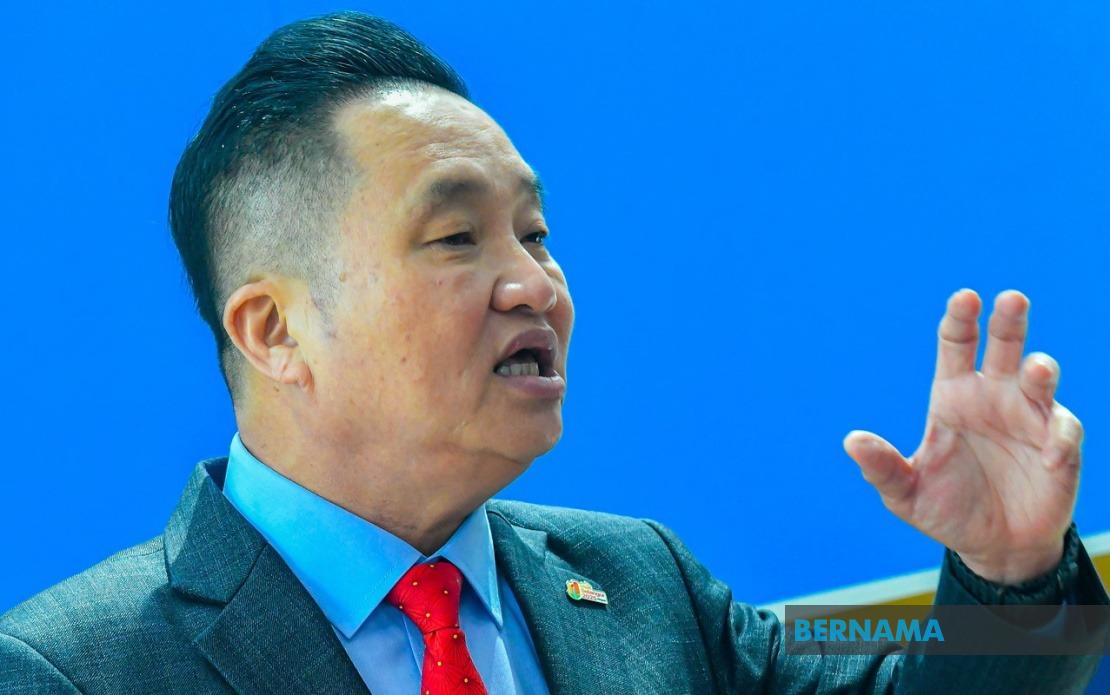
Selangor's state government has set July 1 as the effective date for a new assessment tax reduction scheme designed to incentivise residential green energy adoption, marking a significant shift in the state's approach to environmental sustainability and household economics. The announcement, made by State Tourism and Local Government Committee chairman Ng Suee Lim during the tabling of the Selangor Resilience Strengthening Package Phase 2 in the state assembly, represents one of the most comprehensive tax-based environmental initiatives launched by a Malaysian state authority.
The framework targets homeowners who implement renewable and sustainable technologies within their properties, with eligibility criteria to be formally established prior to the July implementation date. Among the qualifying installations are rooftop solar panel systems, household appliances meeting energy efficiency standards, and rainwater harvesting infrastructure that reduces dependence on municipal water supplies. Each technology category will be assessed individually to determine the applicable tax reduction quantum, with the state government maintaining discretionary authority to refine conditions based on technical specifications and installation quality.
Beyond conventional renewable energy systems, the initiative encompasses behavioural and consumption-related environmental practices. Electric vehicle ownership emerges as a prominent pillar of the scheme, reflecting global trends toward transport electrification and the state's broader decarbonisation objectives. Simultaneously, domestic waste management practices—specifically recycling participation and general refuse reduction—have been incorporated as qualifying factors, suggesting the government recognises that environmental responsibility extends beyond energy generation to encompass circular economy principles.
The programme introduces a staged implementation framework centred on January 1, 2026 as the commencement date for assessing new installations. Homeowners who install eligible green technologies from that date forward may petition the local assessment authority for tax relief consideration, contingent on satisfying prescribed technical and documentation standards. This future-focused architecture provides residents with adequate planning horizons while allowing the state administration time to establish operational procedures and verification mechanisms.
Selangor Menteri Besar Datuk Seri Amirudin Shari had previously committed to providing a 100 per cent assessment tax rebate for residents implementing green technology this calendar year, signalling accelerated adoption before the formal guidelines take effect. This temporary full-rebate period serves as both an incentive mechanism and a pilot phase, enabling the state government to gather implementation data and refine administrative processes before the July launch of permanent reduction guidelines. The distinction between the current promotional phase and future systematic reductions underscores the government's commitment to sustained environmental policy rather than ephemeral populist gestures.
The assessment tax represents a significant recurring household obligation in Malaysian property ownership structures, making reductions a tangible financial incentive rather than abstract environmental exhortation. For middle-income homeowners contemplating solar installations or EV purchases, the prospect of assessment tax relief materially improves investment returns and payback periods, potentially catalysing purchasing decisions that might otherwise have remained deferred. This economic lever proves particularly potent in Malaysia's property-owning demographic, where residential taxation carries greater psychological and financial weight than in rental-dominant markets.
Selangor's initiative arrives amid accelerating global momentum toward residential electrification and decarbonisation, positioning the state as a regional leader in using fiscal instruments to drive environmental outcomes. The scheme acknowledges that climate mitigation increasingly depends on household-level behavioural shifts rather than industrial policy alone. By systematically rewarding sustainability choices through tax mechanisms, the state government creates positive feedback loops where environmental responsibility directly improves financial circumstances, potentially influencing broader adoption patterns across Malaysian residential demographics.
The mechanics of waste management for obsolete green technologies present emerging operational challenges that the state government has flagged for proactive resolution. Solar panel decommissioning, battery disposal from stored renewable systems, and end-of-life vehicle battery handling generate hazardous waste streams requiring sophisticated recycling infrastructure and regulatory oversight. Ng Suee Lim's commitment to exploring sustainable disposal methodologies demonstrates recognition that incentivising green technology installation without addressing lifecycle environmental costs risks merely displacing environmental burdens rather than reducing them. This forward-thinking approach distinguishes the Selangor framework from more superficial eco-incentive programmes.
Implementation success will depend substantially on administrative capacity within local authorities responsible for assessment and tax administration. Selangor's eight local councils must develop standardised verification procedures, establish technical compliance checklists, and train assessors to evaluate green technology installations. The approximately six-month interval between the July announcement and January 2026 commencement date provides modest preparation time, suggesting the state government anticipates a phased rollout rather than immediate comprehensive implementation across all municipal jurisdictions.
The initiative carries implications extending beyond Selangor's borders, potentially establishing precedents for other Malaysian states exploring fiscal environmental policy. Federal-level policymakers monitoring the scheme's effectiveness may consider analogous national programmes, particularly if early data demonstrates meaningful behavioural responses among participating households. Conversely, implementation difficulties or lower-than-anticipated uptake could caution other state administrations against similar mechanisms, emphasising the importance of robust data collection and transparent outcome reporting.
For Malaysian investors and property developers, the scheme introduces new market dynamics affecting residential property valuation and marketability. Homes equipped with pre-installed solar systems or EV charging infrastructure may command premium valuations, particularly in affluent suburbs where environmental consciousness correlates with purchasing power. The tax incentive scheme effectively subsidises green technology adoption for property owners, potentially creating secondary market effects where properties with qualifying installations achieve faster sales and stronger price appreciation.

