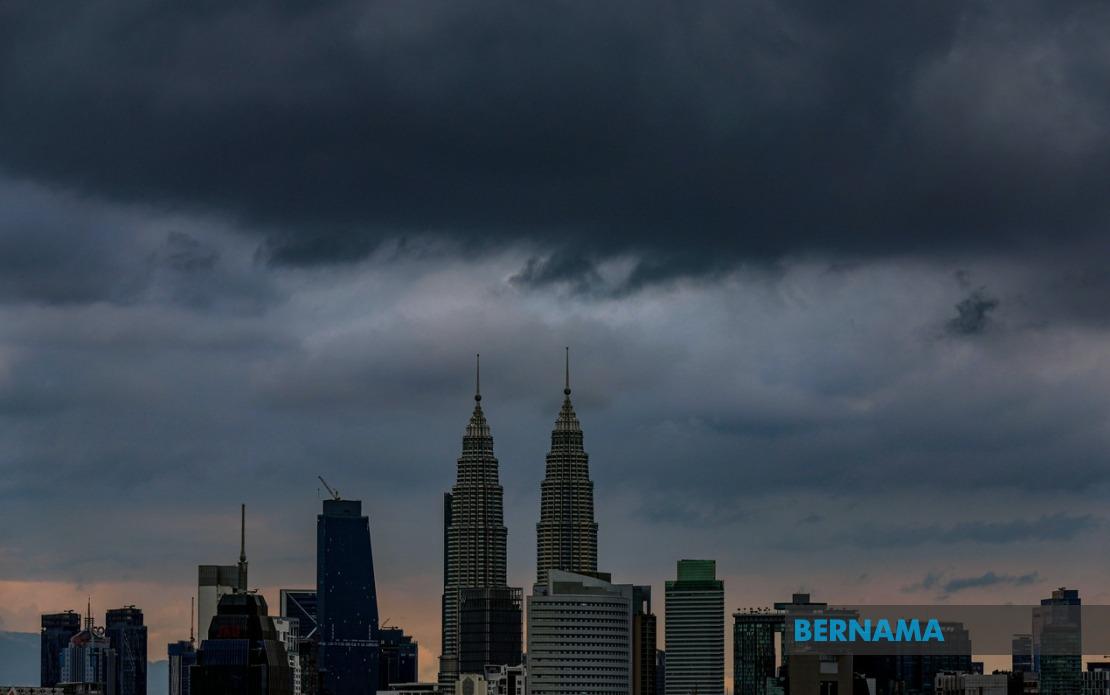
Malaysia's weather authority has issued a widespread alert for severe atmospheric conditions spanning the peninsula and East Malaysia, with thunderstorms, intense rainfall and gusty winds expected to affect Kuala Lumpur, Putrajaya and at least 10 additional states through the evening of June 28. The Malaysian Meteorological Department issued the advisory to alert residents and authorities across multiple regions to prepare for potentially hazardous conditions that could impact daily activities, transport networks and outdoor operations.
The northern region faces particular exposure, with Perlis, Penang and substantial portions of Kedah coming under the warning. Within Kedah, the alert specifically targets Langkawi, Kubang Pasu, Padang Terap, Kuala Muda and Kulim, indicating that the system is expected to create uneven impacts across the state. Similarly, Perak's exposure extends across a significant geographic area, encompassing both highland and lowland zones including Hulu Perak, Kuala Kangsar, Manjung, Kinta, Perak Tengah, Kampar and Bagan Datuk, suggesting the weather system has considerable spatial reach.
The east coast of Peninsular Malaysia is similarly positioned in the path of the adverse conditions. Gua Musang in Kelantan faces warnings, while Terengganu's vulnerability spans multiple districts including Besut, Setiu, Kuala Nerus, Hulu Terengganu and Dungun. This geographical spread indicates that the system is not confined to a single locality but represents a broader meteorological phenomenon affecting the entire eastern seaboard. Pahang's interior and eastern regions are also implicated, with Cameron Highlands, Raub, Bentong and Rompin all designated as areas requiring heightened alert.
The Klang Valley and greater Selangor region round out the peninsula's affected zone, with MetMalaysia specifically naming Hulu Selangor, Gombak, Petaling, Kuala Langat, Hulu Langat and Sepang. This coverage means that Malaysia's most densely populated region and economic heartland faces disruption risk during the afternoon and early evening hours. The inclusion of both federal territories underscores the significance of the system's intensity and geographic extent.
East Malaysia's vulnerability should not be underestimated. Sarawak's warning encompasses the capital Kuching along with Bau in the Kuching Division, extending through Serian, Samarahan and Sri Aman, and reaching further inland to Betong, Sarikei and multiple divisions including Sibu, Bintulu and Miri. The state's diverse topography and scattered settlement patterns mean that severe weather impacts could affect everything from major urban centres to remote interior communities. The specificity of the alert, naming multiple divisions and districts, indicates MetMalaysia's detailed assessment of weather system movement.
Sabah's Interior, West Coast and Sandakan divisions face similar warnings. Keningau and Tambunan in the Interior Division, Ranau on the West Coast, and the Sandakan Division's Telupid, Kinabatangan, Beluran and Sandakan itself all fall within the alert zone. The concentration of warnings across Sabah's eastern sectors suggests the system may interact significantly with the state's coastal and near-coastal atmospheric conditions.
The timing of the alert—with the 7 pm cutoff—indicates that the most severe weather is expected during late afternoon and early evening hours. This window is particularly significant for the Klang Valley and other urban centres, where evening rush hour traffic could face complications from reduced visibility, waterlogged roads and hazardous driving conditions. Schools in affected areas may also need to adjust dismissal procedures, and outdoor events scheduled for the evening would likely face cancellation or postponement.
Thunderstorms accompanied by heavy rainfall present compounded risks beyond simple water accumulation. The combination of thunder and lightning poses direct safety hazards, particularly for communities in hilly terrain where flash flooding and landslides represent secondary dangers. Strong winds can cause structural damage to buildings, down tree branches and power lines, potentially disrupting electricity supply and communications infrastructure across wide areas. For maritime communities and coastal populations, rough seas and dangerous beach conditions would accompany onshore winds.
The breadth of MetMalaysia's alert reflects modern meteorological capabilities to track and forecast mesoscale weather systems with considerable precision. The department's decision to specify individual districts rather than issuing blanket state-level warnings demonstrates the variability of atmospheric conditions across Malaysia's diverse geography. Residents in named areas should monitor official updates closely, as the advisory may be extended beyond 7 pm depending on system development and movement patterns.
For businesses, transport operators and event organisers across the affected regions, the alert provides essential planning information. Construction sites, outdoor markets and temporary structures require securing against wind damage. Drainage systems in flood-prone areas should be cleared to maximise water throughput. Residents in areas with histories of water accumulation should prepare sandbags or other protective measures. The six-hour warning window offers sufficient time for practical preparations, though the compressed timeframe requires swift decision-making and action.
This weather event underscores the increasing frequency and intensity of severe atmospheric phenomena affecting Malaysia, consistent with broader regional climate patterns. The dual threat to both peninsula and Borneo simultaneously, affecting everything from the capital region to remote highland and interior areas, demonstrates how modern weather systems can orchestrate large-scale disruption across diverse geographic and demographic zones. Continued investment in meteorological infrastructure and community preparedness remains essential for minimising human and economic costs when such events materialise.

