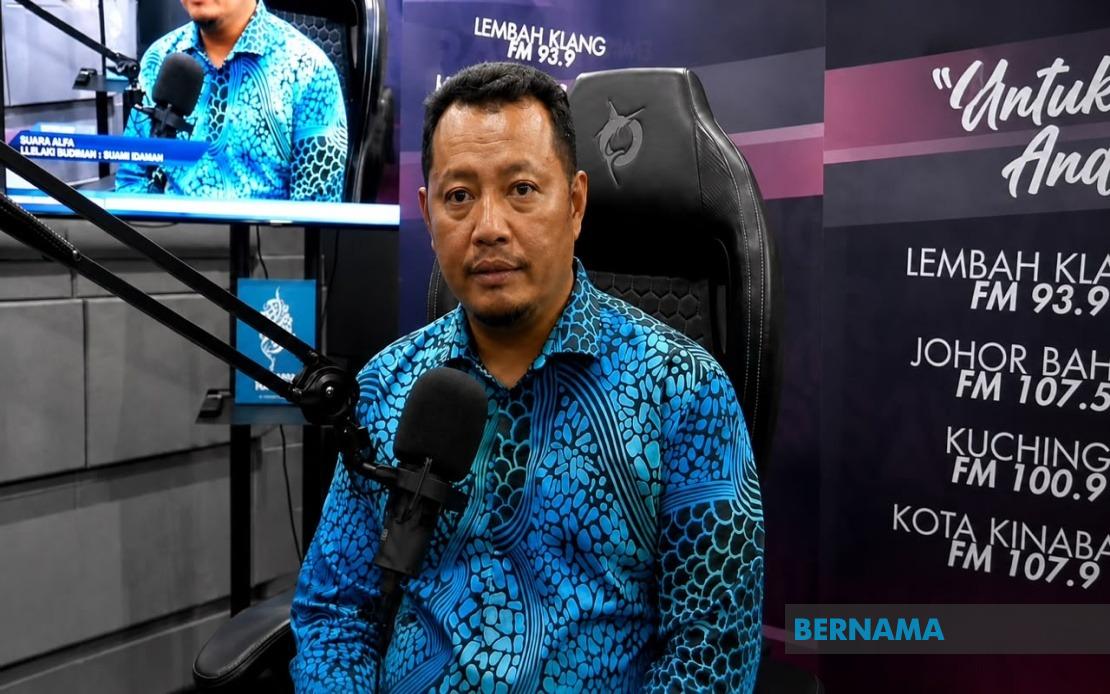
Instilling the qualities of a gentleman into young men demands deliberate effort beginning in the formative years of childhood and early adolescence, according to the National Population and Family Development Board (LPPKN). Such development produces men capable of making meaningful contributions to their families and broader society, creating foundations for more cohesive communities. The board's focus on masculine character development reflects growing recognition that family structures depend significantly on male participation and emotional maturity.
Md Noh Saiman, chief assistant director of LPPKN's Counselling and Intervention Unit, emphasized during a radio discussion that parenting approaches and parental conduct serve as the primary vehicles through which this formation occurs. Children absorb values and behavioural patterns through constant observation of their parents, processing these examples into their own worldviews and eventual conduct. This observation-based learning model suggests that lecturing children about values proves far less effective than demonstrating those values consistently through daily actions and decisions.
The contemporary understanding of gentlemanly conduct extends well beyond superficial courtesies or romantic gestures, Md Noh explained. A truly responsible man embodies sincerity, integrity, and a genuine commitment to fulfilling duties within his sphere of influence without requiring acknowledgment or external validation. This redefinition moves away from performative masculinity toward substantive character, suggesting that Malaysia's social development agenda increasingly recognizes the need for men who internalize their responsibilities rather than seeking applause for basic family participation.
Active engagement in household management and childcare represents a practical avenue through which husbands can meaningfully support their partners, Md Noh noted. Sharing domestic responsibilities distributes the workload equitably and signals genuine partnership rather than token assistance. This approach acknowledges the reality that many Malaysian women pursue educational and career aspirations, and their capacity to reach full potential often depends on having reliable domestic support from spouses rather than shouldering the dual burden alone.
When husbands contribute substantively to family operations, the empowering effects extend to their partners in significant ways. Women with dependable spousal support gain the psychological space and practical time to pursue professional advancement, skill development, and personal fulfillment outside the domestic sphere. For Malaysia's economy and social fabric, this dynamic matters considerably—families where both partners have the freedom to develop their capabilities contribute more broadly to national productivity and innovation while potentially experiencing greater marital satisfaction.
LPPKN's Lelaki Idaman Programme operates not merely as an award mechanism for men already exemplifying positive traits, but rather as a developmental pathway for those motivated to undergo personal transformation. This inclusive approach recognizes that character improvement remains possible at any stage of adult life for men willing to examine themselves honestly and implement changes. The programme's existence suggests institutional acknowledgment that Malaysian society benefits from providing frameworks and recognition systems that encourage male self-improvement.
Maturity in men includes the capacity to receive critical feedback without defensiveness or ego-driven reactions, according to Md Noh's articulation of ideal masculine development. A man who can view constructive criticism as an opportunity for growth, regardless of the source, demonstrates the emotional intelligence increasingly recognized as central to responsible adulthood. This perspective contrasts with traditional notions of masculine pride and defensiveness, indicating a shift toward valuing adaptability and emotional awareness in male character.
Digital platforms and social media have fundamentally altered how both men and women conceptualize ideal masculinity, creating a complex landscape where traditional expectations collide with contemporary influences. These channels bombard individuals with multiple, often contradictory definitions of gentlemanly conduct, ranging from outdated patriarchal models to progressive partnership ideals. For Malaysian parents attempting to guide children toward responsible manhood in this fragmented information environment, navigating conflicting messages presents genuine pedagogical challenges.
The relationship between gentlemen formation and family institutional strength operates as a reciprocal dynamic rather than a one-directional causation. Responsible men who actively support their partners don't merely benefit their immediate families—they contribute to broader social harmonization by modeling collaborative relationships and demonstrating that masculine identity can encompass emotional availability and domestic participation. As family structures stabilize through such partnerships, societal benefits accumulate through reduced stress, improved child development outcomes, and demonstration of alternative masculine models to the next generation.
For Malaysia's policymakers and social institutions, the emphasis on early male character development carries implications extending beyond individual family wellbeing. A population of men equipped with emotional maturity, willingness to share responsibilities, and commitment to family wellbeing could address multiple social challenges simultaneously—from domestic harmony to workforce productivity to intergenerational transmission of values. The LPPKN's work suggests that investing in masculine development represents an underutilized lever for broader social progress and that Malaysian society stands to gain from more deliberate cultivation of responsible manhood across all age groups and educational levels.

