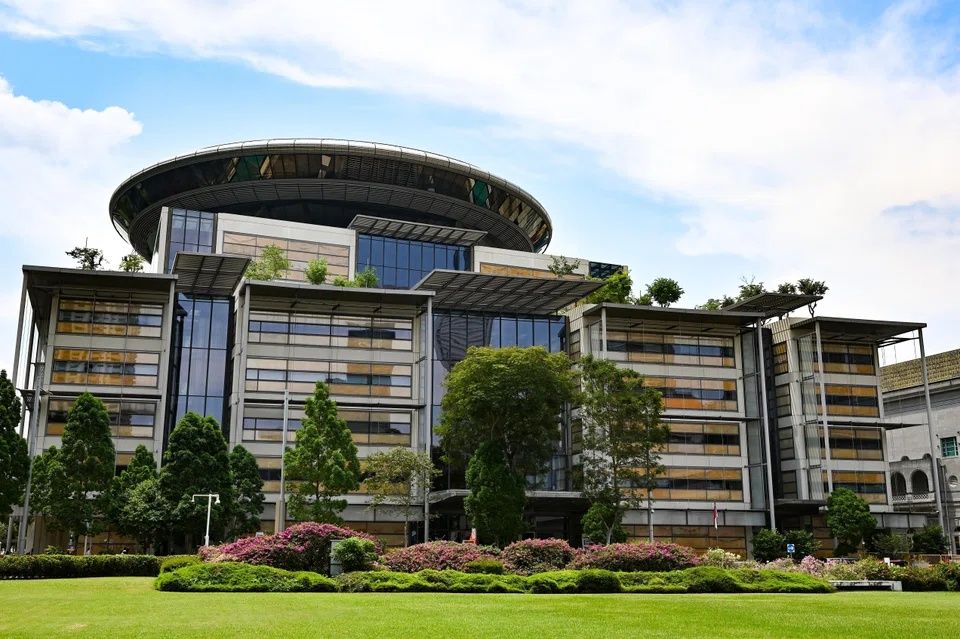
Singapore's High Court has cleared the way for a major lawsuit against Standard Chartered Bank to advance to trial, dealing a significant blow to the lender's efforts to have the case dismissed. The court on Tuesday upheld its earlier decision to reject the bank's strike-out application, according to court-appointed liquidators of the claimants who announced the ruling on Wednesday. The development marks another chapter in Malaysia's protracted efforts to recover billions in assets siphoned off through the 1Malaysia Development Bhd (1MDB) scandal, with this particular claim seeking recovery of US$2.7 billion in alleged misappropriated funds.
The liquidators initiated the lawsuit in June 2025 on behalf of three former 1MDB subsidiary companies—Alsen Chance Holdings Ltd, Blackstone Asia Real Estate Partners Ltd and Brightstone Jewellery Ltd—through representatives Angela Barkhouse and Toni Shukla. The case centres on allegations that Standard Chartered facilitated the movement of stolen funds through the international financial system by authorising more than 100 transfers between its own internal accounts. According to the liquidators' assertions, the bank proceeded with these transactions despite encountering numerous warning signals that ought to have prompted greater scrutiny of the transactions involved.
Standard Chartered's legal strategy to terminate the case at an early stage initially succeeded in November 2025 when the Singapore High Court ruled in the bank's favour. However, the liquidators appealed this dismissal, and the court has now reversed the earlier judgment. This reversal carries significant implications for how international financial institutions may be held accountable for their role in facilitating large-scale fraud schemes. The ruling establishes that merely filing strike-out applications—a common strategy to avoid expensive litigation—will not necessarily shield banks from proceeding to a full trial on the merits of asset recovery claims.
The liquidators characterised the court's decision as a positive development in their broader campaign to recover misappropriated assets and bring to account those who enabled the scheme. In their statement, the court-appointed representatives stressed their unwavering dedication to recovering funds on behalf of Malaysia's people, framing the case as part of the wider justice effort surrounding 1MDB. This messaging reflects growing recognition among Malaysian authorities that international asset recovery requires sustained pressure through multiple legal jurisdictions and that persistence in court proceedings can eventually yield progress.
The magnitude of the claim—US$2.7 billion—underscores the scale of the alleged fraud that unfolded through Standard Chartered's banking channels. This particular lawsuit represents only one strand of Malaysia's multi-pronged recovery strategy, which has involved civil suits, criminal prosecutions, and international cooperation agreements across numerous jurisdictions. The Singapore proceeding is particularly significant because the city-state serves as a major financial hub where numerous transactions connected to 1MDB were processed and settled.
Notably, Standard Chartered has signalled its intention to seek permission to file a further appeal, meaning the case may not proceed to trial immediately. The bank's determination to continue challenging the case through additional legal avenues suggests a protracted legal battle lies ahead. In Malaysia's experience with previous 1MDB-related litigation, such appeals and counter-appeals can extend timelines considerably, though they occasionally yield strategic advantages for either party.
The legal team pursuing the claim includes prominent Singapore counsel Lok Vi Ming SC alongside junior advocates Joseph Lee, Mohd Haireez, Tan Kah Wai and Koo Jin Rong, all from LVM Law Chambers LLC. This combination of senior and junior counsel reflects the complexity and significance attached to the matter. Providing overarching coordination for Malaysia's global 1MDB asset recovery efforts is Lim Chee Wee Partnership of Kuala Lumpur, which operates as global coordinating counsel. This structural arrangement illustrates how sophisticated international asset recovery campaigns must span multiple jurisdictions and require seamless coordination among legal teams operating under different regulatory regimes.
For Malaysian policymakers and officials tasked with recovering 1MDB funds, the Singapore High Court's decision to allow the case to proceed offers both encouragement and a reminder of the lengthy timescale involved in transnational litigation. While the ruling represents progress, the prospect of further appeals and a subsequently lengthy trial means that actual fund recovery remains distant. Nevertheless, each successful stage in overcoming preliminary legal obstacles strengthens the strategic position of Malaysia's liquidators and demonstrates that courts internationally are willing to entertain complex fraud allegations against major international banks.
The decision also carries broader implications for how financial institutions globally manage their compliance and regulatory responsibilities when processing large transactions. Regardless of the ultimate trial outcome, the mere fact that a case against a bank of Standard Chartered's stature can survive strike-out applications sends a message about evolving standards of accountability in international finance. Banks and their executives cannot assume that legal procedural tactics alone will shield them from having to defend substantive allegations of facilitating fraud on a vast scale.
For Malaysia's economy and reputation, ongoing success in these recovery efforts—particularly in major financial centres like Singapore—helps restore confidence in the country's commitment to fighting financial crime and holding wrongdoers accountable. The 1MDB scandal fundamentally damaged Malaysia's international standing, and demonstrating through sustained legal action that resources misappropriated through the scheme will be pursued relentlessly contributes to broader efforts at national rehabilitation.

