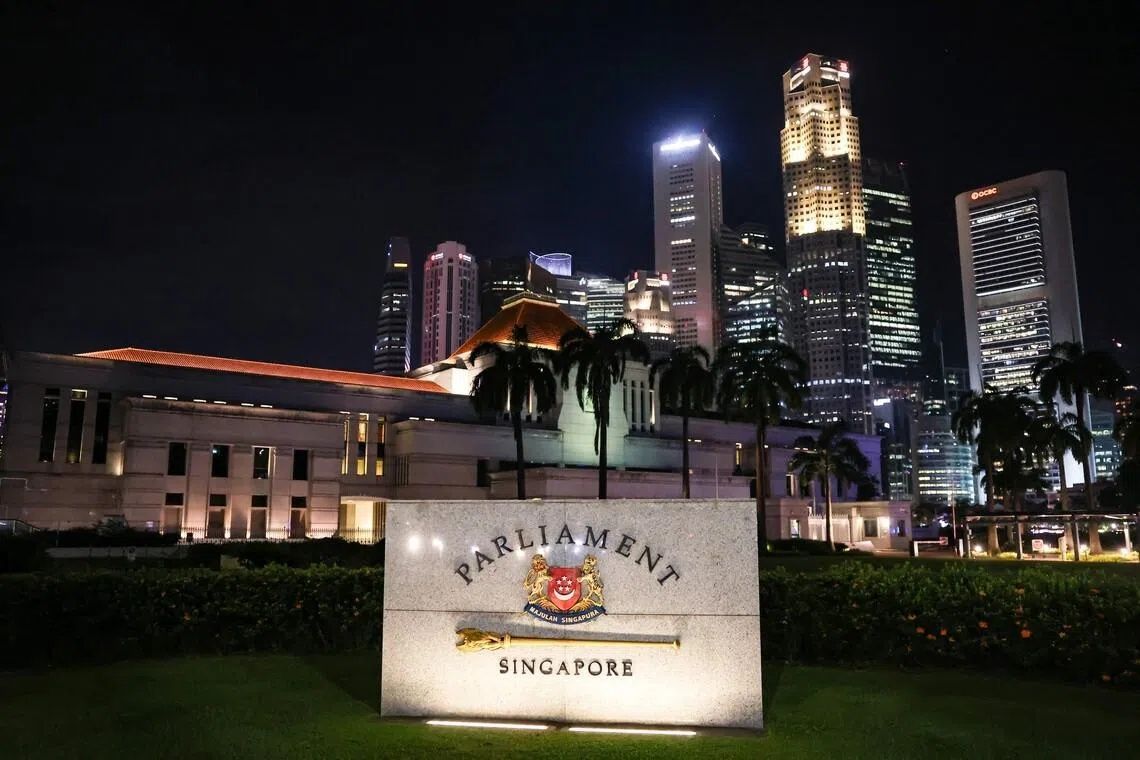
Singapore's police have moved to prosecute a 40-year-old man accused of filing bogus bomb threats against two prominent government installations, including the nation's Parliament House, in a case that highlights the serious consequences of making hoax security alerts. The suspect faced charges on July 9 after being detained on July 7, the same day the second threat was reported to authorities, bringing a swift resolution to an incident that tested the city-state's security apparatus and diverted significant official resources.
The first alarm was triggered on July 3 when the Home Team Science and Technology Agency (HTX) received an online submission falsely claiming explosives had been planted at its One North facility. Investigators treated the matter with full seriousness, deploying methodical search protocols across the building and surrounding areas. Despite the thoroughness of these operations, no suspicious items or devices were discovered, effectively eliminating any genuine threat to occupants or the broader public.
Four days later, on July 7, the situation escalated when the Prime Minister's Office received an anonymous email alleging a bomb had been placed at Parliament House. This timing appeared strategically chosen to maximise disruption and public alarm. Again, police mobilised comprehensive security sweeps of the parliamentary complex and its environs, yet found no credible evidence supporting the threat. The synchronisation of the second alert with the arrest suggests law enforcement had been closing in on the perpetrator or had already developed strong investigative leads.
What emerged from parallel investigations by the Criminal Investigation Department and Central Police Division was a critical discovery: both threats had originated from the same individual. This realisation streamlined the investigation considerably, as detectives could focus resources on a single suspect rather than managing multiple possible threat actors. The consolidation of evidence against one person likely accelerated the move toward prosecution and contributed to the rapid timeline from arrest to charging.
Police recovered several electronic devices from the arrested man's possession that investigators believe were instrumental in executing the hoax threats. These devices will almost certainly form a cornerstone of the prosecution's case, providing digital forensics evidence that can link the suspect directly to the fraudulent communications. The retention of such material strengthens the evidentiary foundation considerably, moving beyond witness statements or circumstantial factors.
The specific charge the man faces—communicating false information of a harmful thing—is a deliberately broad provision within Singapore's penal framework designed to capture the mischief of hoax threats that cause public panic without requiring prosecutors to prove intent or actual capability to cause harm. This approach reflects global security jurisprudence, which recognises that the psychological and operational damage of bomb threats extends far beyond physical risk. The legislative intent acknowledges that false alarms consume emergency response capacity, generate legitimate citizen anxiety, and distract security agencies from genuine threats.
Potential penalties are substantial. Conviction could result in imprisonment of up to seven years, a monetary fine reaching S$50,000, or a combination of both. These consequences underscore the gravity with which Singapore treats such offences and signal a strong deterrent message to any individual tempted to make similar hoax reports. The severity of sentencing guidelines reflects Singapore's zero-tolerance approach to threats against government institutions and security infrastructure, a policy stance consistent with other developed nations confronting similar challenges.
The broader implications of this incident resonate across Southeast Asia, where heightened security consciousness and the proliferation of communication technologies create conditions favouring both legitimate security preparedness and the misuse of alert systems. For Malaysia and other regional neighbours, the Singapore case demonstrates how swiftly modern law enforcement can attribute online communications to individuals and the readiness of authorities to pursue maximum legal remedies against perpetrators. The sophistication of forensic techniques available to investigators means that digital anonymity offers illusory protection to potential hoaxers.
From a regional perspective, this incident underscores the legitimate operational costs of false security alerts. Parliament buildings throughout Southeast Asia, including Malaysia's Dewan Rakyat, must now balance institutional transparency with security protocols that respond to reported threats. Each hoax diverts specialist units, closes public areas temporarily, and generates anxiety among staff and visitors. In developing economies where security resources are often stretched, the cumulative burden of false alarms represents a measurable economic loss and inefficiency.
The police statement accompanying the charge announcement included an explicit cautionary message to the public about the consequences and impacts of fabricating bomb threats. Such communications serve a dual purpose: they inform potential perpetrators of imminent legal jeopardy while reassuring citizens that institutional responses to security alerts reflect professional judgment and commitment to protection. The transparency of Singapore's police force in explaining investigative processes also builds public confidence in the efficiency and reliability of the security apparatus.
As Singapore proceeds with prosecution, the case will likely establish important precedent regarding evidence standards for digital threat communications and the weight assigned to recovered electronic devices. Defence teams may challenge attribution methods or argue for reduced sentencing based on mental health considerations, potentially creating jurisprudential development that influences how other Southeast Asian jurisdictions handle comparable cases. The outcome will be closely observed by regional security professionals and legal experts seeking to harmonise approaches to technology-enabled hoax threats across borders.

