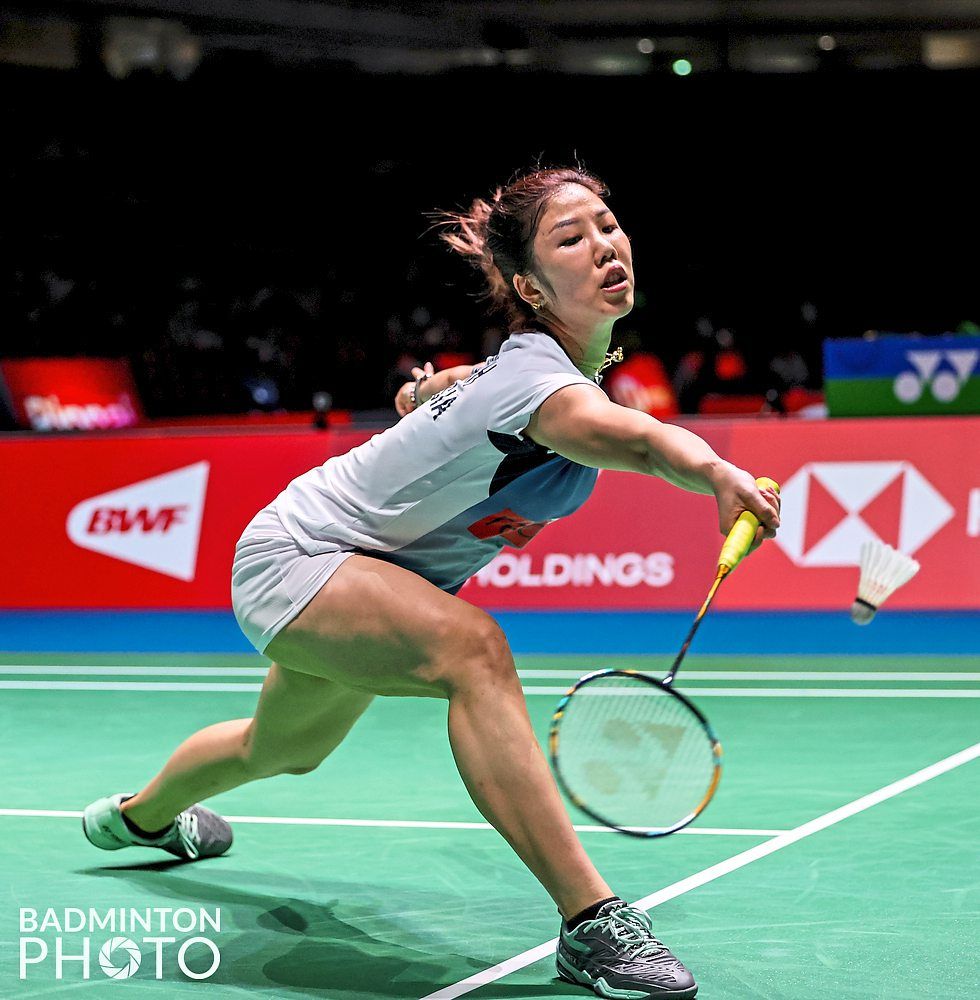
Former national women's singles shuttler Soniia Cheah has stepped down from her position as sports director of the Kuala Lumpur Badminton Association, concluding a tenure of less than four months with immediate effect from Wednesday. The 33-year-old, who was appointed to the role in February on a one-year contract, did not publicly elaborate on the specific circumstances that prompted her departure, but indicated that the decision culminated from careful internal reflection regarding operational matters at the association.
While refraining from directing criticism at particular individuals within the KLBA hierarchy, Soniia made clear that her decision to resign stemmed from a fundamental disconnect between certain institutional practices and the values she holds as a former elite player and continuing advocate for badminton development. Her statement emphasised that the incompatibility was not personal in nature but rather reflective of her principled stance on issues she believes warrant organisational attention and reform.
Soniia articulated her perspective by explaining that maintaining her integrity within the role had become untenable given the circumstances. She stressed that as someone deeply committed to the sport's advancement, she could not reconcile remaining in a position of influence while compromising on the ethical standards she considers non-negotiable. This framing suggests the resignation was precipitated by governance or operational concerns rather than interpersonal conflict, though the specifics remain undisclosed.
Despite the abrupt nature of her departure, Soniia expressed genuine appreciation for the athletes she mentored during her brief tenure. She highlighted her closing assignment—overseeing the squad at the Affin 100Plus Junior Elite Tour Finals held at Stadium Juara in Bukit Kiara in the preceding week—as a significant professional engagement that underscored her commitment to developing young talent in the association.
The resignation raises questions about structural challenges within the KLBA that may impede the engagement of experienced badminton professionals. Soniia's abbreviated tenure, particularly given her distinguished playing pedigree, suggests potential governance issues that warrant examination. Her implicit call for the association to review and address underlying concerns indicates that systemic rather than superficial problems prompted her exit.
Soniia's badminton credentials are formidable. She reached Malaysia's pinnacle in women's singles competition, representing the nation at the Tokyo Olympics and serving as the country's top-ranked women's shuttler during her competitive career. Her expertise and reputation made her appointment to the KLBA position a notable development for Kuala Lumpur badminton governance and talent management.
Her playing career spanned considerable years before concluding in 2022, when a chronic Achilles tendon injury that had plagued her throughout her professional life forced her retirement. This long-standing physical burden had constrained her competitive longevity despite her technical abilities and competitive resolve, circumstances that likely shaped her perspective on athlete welfare and institutional responsibility.
The transition from elite athlete to administrative roles in Malaysian sports frequently encounters friction, reflecting broader governance challenges in the national sporting ecosystem. Soniia's brief stint at the KLBA exemplifies potential tensions between administrative structures and personnel attempting to implement player-centric reforms or elevate standards. Her implicit suggestion that the association undertake genuine self-examination presents an opportunity for institutional reflection.
For Malaysian badminton stakeholders, Soniia's departure carries implications extending beyond administrative shuffling. The loss of a knowledgeable former national player from a developmental post in Kuala Lumpur, the capital's primary badminton authority, represents a setback in leveraging elite experience to strengthen young talent pipelines. Kuala Lumpur remains a crucial talent production centre for Malaysian badminton, and leadership continuity matters significantly for programme sustainability.
The timing of the resignation, arriving after the Junior Elite Tour Finals concluded, suggests Soniia fulfilled her principal obligations before departing rather than abandoning commitments. This suggests professional responsibility tempered her exit, even as fundamental disagreements necessitated her departure. Her hope that the association will constructively address the concerns underlying her resignation indicates her broader commitment to badminton's health rather than personal grievance.
Moving forward, the KLBA faces the dual challenge of identifying successor leadership while addressing the governance or operational matters that prompted an accomplished and passionate badminton professional to resign. Whether the association takes Soniia's implicit critique seriously will largely determine whether this episode catalyses positive institutional evolution or merely represents another instance of experienced personnel becoming alienated from Malaysian sporting bureaucracy.

