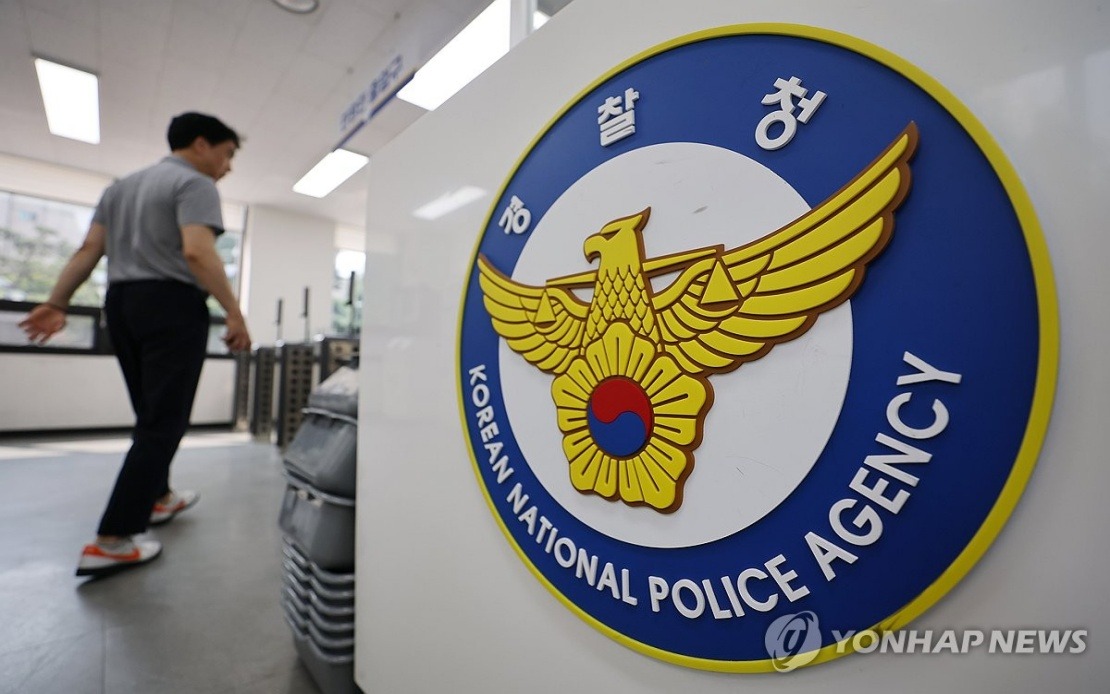
South Korea's national police force has announced an intensive nationwide operation to combat surging organised crime, launching Monday with enforcement activities scheduled through the end of October. The Korean National Police Agency (KNPA) initiative reflects growing alarm over escalating criminal activity, particularly among younger gang members increasingly turning to white-collar offences rather than traditional street violence. The shift in criminal methodology represents a significant challenge to law enforcement, requiring new investigative approaches to address offences that operate largely through digital channels and financial networks rather than physical territories.
The operation will prioritise high-value financial crimes including elaborate fraud schemes, illegal lending operations, clandestine online gambling platforms, and money laundering networks. Police recognise that these financial offences generate substantial criminal proceeds that fuel broader organised crime ecosystems. Beyond traditional enforcement, authorities intend to target individuals who deliberately publicise their illicit wealth through social media and online platforms, calculating that such ostentatious displays simultaneously attract new criminal recruits and seed public anxiety. The strategy also includes aggressive asset-freezing measures designed to disrupt the financial foundations enabling criminal organisations to operate and expand.
The international dimension of the crackdown reflects Korea's position as a transit hub and destination for transnational organised crime. Police will emphasise drug trafficking enforcement, particularly targeting synthetic drugs like ketamine, which demand has increased substantially across Asia. The KNPA will simultaneously intensify its operations against organised crime networks involving foreign nationals, recognising that many such groups operate across multiple countries with sophisticated logistics networks. Intelligence operations will concentrate on foreign worker communities and their employment centres, as well as commercial entertainment districts where international criminal networks historically establish footholds.
Recent statistics underscore the urgency of this enforcement initiative. Between mid-March and the end of June, police apprehended 1,185 gang members and arrested 225 individuals, representing dramatic increases of 9.7 percent and 48.3 percent respectively compared to the previous comparable period. Particularly alarming is the demographic composition: individuals aged 30 or younger comprised 63.6 percent of apprehended suspects, with fraud accounting for 42.7 percent of their recorded offences. This data reveals a generational shift in criminal enterprise, with younger offenders gravitating toward financial crimes requiring minimal physical risk and potentially generating higher profits than conventional gang activities.
The foreign crime dimension has also expanded considerably. Over the same four-month period, police apprehended 641 foreign nationals and detained 133. The year-to-date figures demonstrate sustained growth in this category, with the total number of foreign nationals booked by police in the first half of the year rising 9.1 percent year-over-year to 18,130 individuals. Drug-related offences have surged particularly dramatically, with a 29 percent increase in the first half of 2024 compared to the prior year. These metrics collectively paint a picture of criminal activity expanding across multiple vectors simultaneously, straining law enforcement resources and requiring coordinated, multi-agency responses.
The timing of this crackdown reflects Seoul's assessment that organised crime has reached a critical inflection point requiring immediate, decisive intervention. The shift toward youth participation in financial crimes suggests that traditional organised crime recruitment strategies have evolved, offering younger individuals pathways into criminal enterprise that feel less dangerous and more remunerative than street-level activities. This evolution poses distinct investigative challenges, as financial crimes often leave digital trails and require specialist forensic accounting expertise rather than neighbourhood intelligence sources that proved effective in addressing traditional gang violence.
The emphasis on money laundering and asset recovery indicates recognition that disrupting criminal finance represents a potentially more effective enforcement strategy than arrest volume alone. By freezing proceeds and tracing illicit wealth flows, authorities can simultaneously cripple operational capacity and gather intelligence on criminal network structures and international connections. This financial approach aligns with enforcement strategies employed by developed nations, particularly the United States and European countries that have invested heavily in financial crime investigation units.
For regional observers, Korea's experience offers relevant lessons regarding organised crime evolution in rapidly developing Asian economies. As digitalisation advances and younger populations embrace online financial systems, criminal networks inevitably adapt their methodologies to exploit emerging technological opportunities. The prevalence of fraud and online gambling crimes among Korean youth suggests similar patterns may emerge across Southeast Asia as digital financial infrastructure expands. Malaysia and other regional nations may benefit from monitoring Korean enforcement innovations and adapting proven strategies to local contexts.
The KNPA's commitment to enhanced intelligence gathering among foreign communities reflects post-pandemic recognition that transnational criminal networks operate with increasing sophistication. Foreign workers constitute vulnerable populations for criminal recruitment, either as victims or as potential accomplices, making community monitoring both a security imperative and a community protection measure. The focus on nightlife districts acknowledges these venues as established hubs for international criminal activity and money laundering operations masquerading as legitimate entertainment enterprises.
Successful implementation of this operation will depend substantially on inter-agency coordination, as financial crimes and drug trafficking often implicate multiple police divisions, customs authorities, financial regulators, and international law enforcement partners. The KNPA statement promising "close cooperation with relevant authorities" signals awareness that no single agency possesses sufficient expertise and jurisdictional authority to address this complexity independently. Sustained information sharing with regional law enforcement agencies will prove essential, particularly regarding transnational criminal networks operating across Korea, China, Southeast Asia, and beyond.
The three-month timeframe through October 31 provides sufficient duration for meaningful enforcement impact while allowing police to assess operational effectiveness and adjust tactics as intelligence develops. Early results will likely influence Korean government policy discussions regarding organised crime legislation and law enforcement resource allocation in 2025 and beyond. Success metrics will extend beyond arrest statistics to include asset seizures, intelligence gathered on international criminal networks, and measurable reductions in financial crimes affecting ordinary Koreans.

