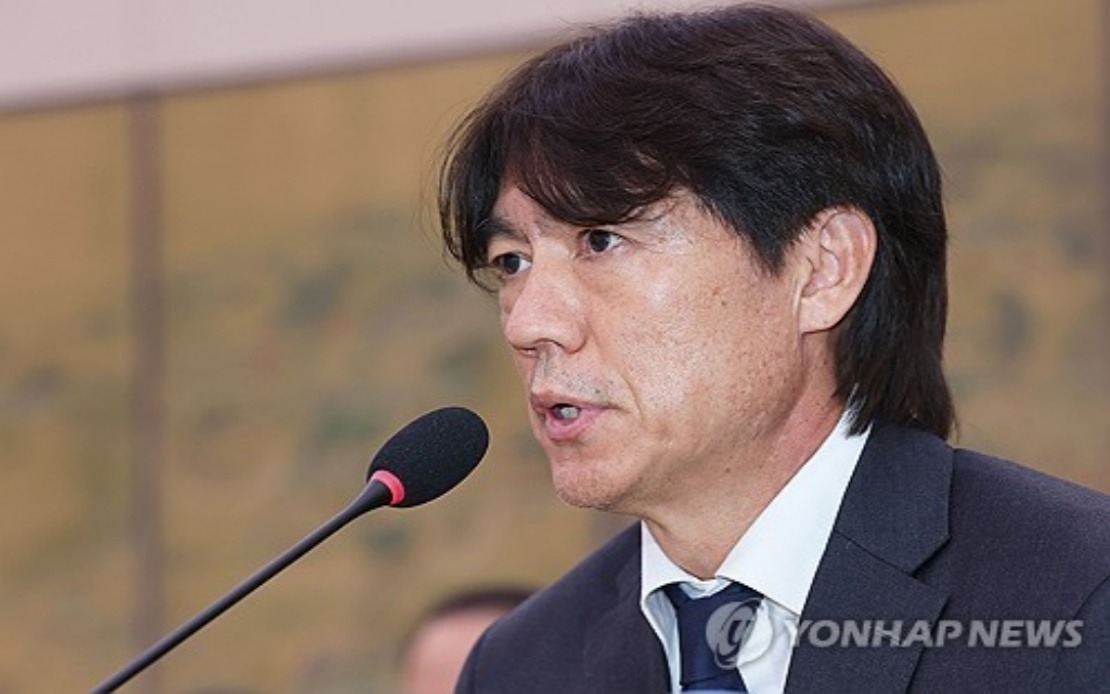
South Korean law enforcement has intensified scrutiny of the national football body following a major raid on its facilities this week, targeting an ongoing investigation into the contentious hiring of Hong Myung-bo as head coach of the men's national team. Officers searched the Korea Football Association's main offices in Cheonan, located roughly 90 kilometres south of Seoul, alongside its central Seoul headquarters as part of a widening probe into whether federation leadership unlawfully manipulated the appointment process in July 2024.
Hong's tenure as coach came to an abrupt end when he stepped down in late June, shortly after South Korea's disappointing early elimination from the FIFA World Cup. The circumstances surrounding his initial appointment have since become the subject of intense political and public scrutiny, with critics and oversight bodies questioning whether proper protocols were followed in his selection. The timing of the raids—occurring nearly two years after police first initiated their investigation—reflects a renewed momentum in the case, seemingly triggered by the national team's World Cup failure and subsequent parliamentary intervention.
At the heart of the investigation lies an allegation that senior federation officials, most notably former KFA president Chung Mong-kyu and former technical director Lee Lim-saeng, exerted improper influence over the hiring decision. According to accounts that have emerged, Lee—who held no legitimate authority over coaching appointments—reportedly offered Hong the position at a bakery situated near Hong's residence. This informal arrangement starkly contrasts with the transparent, merit-based recruitment processes expected of a national sports institution, raising fundamental questions about governance and accountability within South Korean football administration.
The procedural irregularities alleged extend beyond mere lapses in bureaucratic protocol. A civic watchdog group formally lodged a complaint accusing both Hong and Chung of multiple offences, including obstruction of official duties, breach of fiduciary trust, coercion, and intimidation connected to the appointment. These serious allegations suggest that the concerns transcend simple administrative oversights and touch upon potential criminal conduct at the federation's highest levels. The formal charges underscore growing public frustration with institutional mismanagement within Korean sports governance.
Police detained and questioned Hong himself as a suspect in the investigation earlier this week, marking an escalation in the enforcement action. This development reflects authorities' conviction that Hong was a knowing participant in whatever irregularities occurred, rather than merely an innocent beneficiary of the appointment process. The interrogation signals that investigators view his cooperation as essential to understanding the full scope of any violations and identifying other officials who may have been involved.
Parallel to the police investigation, lawmakers have become increasingly engaged with the matter, demonstrating broader institutional concern. Late last month, both Hong and Chung appeared before a parliamentary hearing where legislators questioned them extensively regarding multiple aspects of KFA administration and Hong's appointment specifically. This legislative scrutiny adds another layer of accountability, as parliament possesses the authority to recommend disciplinary action or further regulatory reforms in sports governance. The dual pressure from law enforcement and elected representatives reflects the gravity with which South Korea's leadership regards potential corruption within its football system.
The two-year timeline between the initial investigation launch and this week's significant raids underscores the complexity and sensitivity surrounding the case. Officials likely faced methodological challenges in gathering evidence and securing cooperation from federation insiders, particularly given the institutional power wielded by figures like Chung. The recent World Cup disappointment appears to have broken through administrative inertia, catalysing action that had stalled in bureaucratic channels. For Malaysian and regional observers, the case illustrates how governance failures within national sports institutions can fester undetected for extended periods, especially when senior leadership controls investigative processes.
The broader implications of this investigation extend beyond football administration into questions of institutional accountability and the rule of law in South Korea. If senior sports executives manipulated appointments for personal or factional advantage, the incident represents a systemic failure of checks and balances designed to prevent such abuses. Furthermore, the incident raises concerns about whether similar improprieties exist within other national sports federations or government-linked organisations, potentially warranting expanded oversight and reform initiatives.
For Southeast Asian sporting bodies and Malaysian sports governance specifically, the Korean case offers instructive lessons in the importance of transparent appointment procedures, independent oversight mechanisms, and robust whistleblower protections. Malaysia's own sports institutions would benefit from examining whether comparable vulnerabilities exist within their administrative structures. The Hong Myung-bo case demonstrates that even established sporting nations with sophisticated infrastructure require constant vigilance against institutional corruption. Public confidence in sports administration depends fundamentally upon demonstrable commitment to transparency and accountability, principles that no federation can take for granted regardless of its prestige or history.

