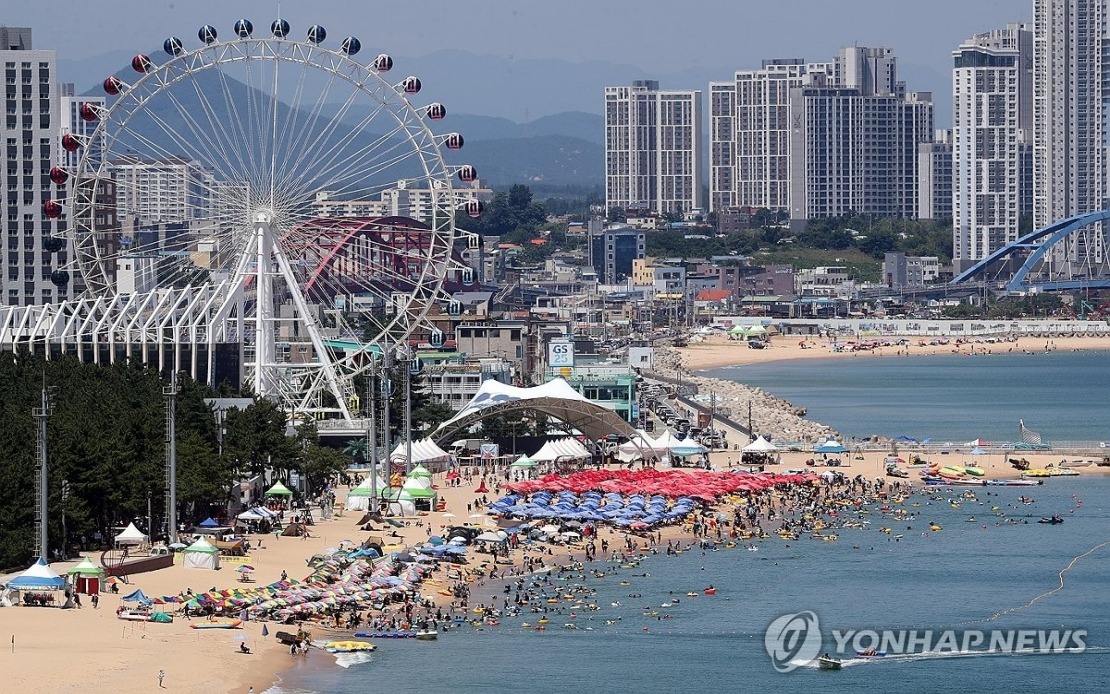
South Korea is experiencing one of the most severe heat waves in recorded history, with the southeastern city of Yangsan reaching a scorching 42.5°C on Sunday—the highest temperature documented since modern meteorological observations commenced on the Korean Peninsula in 1904. The Korea Meteorological Administration logged the mercury climbing to 42°C at 1:16 p.m. local time before ascending further to the record-breaking 42.5°C just ten minutes later, marking a dramatic milestone based on data compiled across the agency's 97 long-term observation stations nationwide.
The escalation of temperatures in Yangsan, situated approximately 310 kilometres southeast of Seoul, represents far more than an isolated weather anomaly. Sunday marked the fifth consecutive day when temperatures had exceeded the 40°C threshold in this southeastern region, prompting meteorologists to voice serious concerns that readings could potentially breach 43°C given the trajectory of daily temperature increases. The timing of when the mercury surpasses 40°C has been occurring progressively earlier throughout each successive day, indicating that atmospheric heat continues accumulating at an alarming rate and suggesting the extreme conditions may intensify rather than abate in the coming days.
Nearby Gyeongju, located roughly 240 kilometres southeast of Seoul, also experienced unprecedented heat on Sunday when temperatures reached 40.2°C by 1:55 p.m. This marked the first occasion this year that the city's mercury had climbed above 40°C, and represents the highest reading in eight years since 2018, when the temperature peaked at 39.8°C. The pattern of record-breaking temperatures spreading across multiple cities in the southeastern region underscores the geographic scope and intensity of the current heat wave, which stands in stark contrast to the more typical weather patterns historically observed in this part of the Korean Peninsula.
The severity of the situation prompted an immediate and coordinated government response. By 1 p.m. on Sunday, authorities activated a "Level 2" emergency operation of the disaster response headquarters, signalling the transition from standard heat management protocols to heightened national-level intervention. Prime Minister Han Seong-sook issued direct emergency orders to government ministries and provincial authorities, instructing them to prioritise safety checks focusing on heat-vulnerable populations including the elderly, young children, and those with pre-existing medical conditions. These measures reflect the government's recognition that extreme temperatures pose life-threatening risks to specific demographic groups who lack the physiological capacity to regulate body temperature effectively.
Infrastructure stability emerged as another critical concern addressed through the emergency response framework. The government mandated the maintenance of stable electricity and water supplies across affected regions, anticipating that widespread air conditioning usage during peak heat hours could strain the power grid, while elevated temperatures might stress water treatment and distribution systems. Officials advised the broader population to minimise outdoor activities and adhere strictly to established heat safety protocols, recognising that public compliance with such recommendations significantly reduces heat-related medical emergencies and fatalities.
The South Korean heat wave carries implications that extend well beyond national borders, particularly for Malaysia and other Southeast Asian nations already accustomed to tropical climates. Rising global temperatures are pushing established heat records in temperate regions closer to levels that Southeast Asia experiences regularly, yet the unprecedented nature of such extremes in traditionally cooler climates highlights the accelerating pace of climate change. This convergence suggests that regions like Malaysia may face even more intense and prolonged heat episodes in coming decades, potentially overwhelming existing infrastructure designed for previous temperature regimes.
For Malaysian policymakers and public health officials, the South Korean experience offers crucial lessons in heat wave preparedness and emergency response coordination. While Malaysia's tropical climate provides populations with greater baseline adaptation to high temperatures, the compounding effects of climate change mean that traditional coping mechanisms may prove insufficient. The vulnerability of specific population groups identified in South Korea's response—the elderly and very young—mirrors demographic vulnerabilities in Malaysia, particularly in urban areas where air conditioning access varies significantly by socioeconomic status.
The meteorological significance of South Korea's temperature record cannot be overstated. Breaking a 120-year record represents not merely a statistical anomaly but evidence of genuine climate system shifts. The consistent occurrence of record temperatures across multiple locations and the progressive intensification of daily peaks suggest patterns consistent with long-term climate change rather than natural weather variability. This distinction matters profoundly for infrastructure planning, agricultural management, and public health strategy across the entire region.
Looking ahead, both South Korea and Southeast Asian nations face the pressing challenge of adapting economic and social systems to accommodate increasingly frequent and intense heat extremes. Energy grids must be upgraded to handle unprecedented demand surges during peak heat hours. Urban planning must prioritize cooling infrastructure and green spaces. Public health systems require expanded capacity for heat-related illnesses. The records being set in South Korea today may represent not the ceiling of future temperatures but rather waypoints on a trajectory of continued warming that will reshape the climate reality facing millions across East and Southeast Asia in the coming decades.

