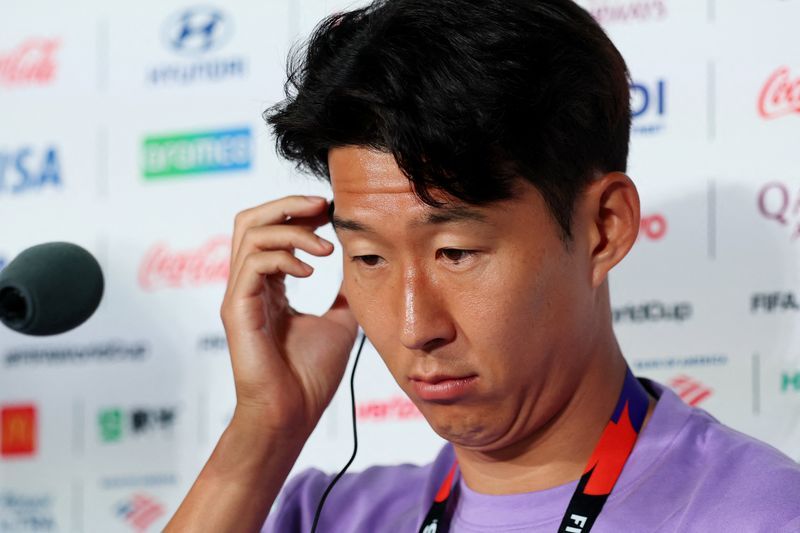
South Korea's national football team has suspended its voluntary media engagements following an incident in which journalists from the country allegedly derided captain Son Heung-min's mandatory military service obligations, an action that has exposed deep tensions between the squad and domestic media ahead of World Cup competition. The controversy emerged when remarks made by reporters during a training session at the team's Guadalajara base camp were inadvertently captured and subsequently disclosed, prompting the players to distance themselves from additional press interactions beyond those strictly mandated by FIFA regulations.
The 33-year-old Son, one of Asia's most accomplished footballers, had trained separately from his teammates when the incident occurred, a circumstance that apparently triggered the inappropriate commentary from media personnel present at the facility. The decision to isolate and ridicule the captain's military background reveals the persistent sensitivity surrounding conscription in South Korean society, where the subject remains fraught with nationalist and patriotic dimensions that extend far beyond mere sporting competition.
Understanding the weight of military service in South Korean culture is essential to grasping the magnitude of this dispute. Every able-bodied South Korean male is constitutionally required to complete approximately 21 months of military service as part of the country's sustained defensive posture against North Korea. This obligation represents not simply a bureaucratic formality but a profound civic duty intertwined with national security, personal identity, and social standing within the community. The compulsory nature of the commitment means that exemptions and alternative arrangements carry substantial cultural cachet.
Son and his teammates earned relief from the full military obligation by capturing the gold medal at the 2018 Asian Games, a sporting achievement that granted them legal exemption from or reduction in their service requirements under South Korean law. Despite this recognition of their athletic accomplishment at the continental level, the reduced obligation that resulted from their success apparently became the target of journalistic mockery, suggesting that some media figures questioned the legitimacy or appropriateness of the exemption structure itself.
The Korea Football Association moved swiftly to address the fallout, issuing a formal statement expressing regret at the conduct of the unnamed media personnel. The KFA acknowledged that the leaked conversations had inflicted considerable emotional damage to the squad at a critical juncture in their World Cup preparations. The organisation framed the players' contributions as representatives of their nation on football's grandest stage, emphasising the athletes' commitment to honouring the trust and aspirations of the South Korean public through their performances.
In their public response, the KFA implored media outlets across the country to demonstrate greater discretion and professionalism in their interactions with the national team. The statement indicated that the federation would continue to prioritise the psychological wellbeing and optimal preparation of the squad while working to foster a more constructive relationship between sports journalists and the players they cover. Such guidance suggests that media-player relations had already been strained before this particular incident erupted into public view.
The practical implications of the boycott remain somewhat constrained by international sporting regulations. While players have rejected voluntary media appearances and informal press interactions, FIFA's World Cup protocols require national teams to participate in designated mandatory media obligations, including official press conferences and broadcast interviews. This distinction between discretionary and mandated media activity has allowed the South Korean contingent to register their protest without directly violating international competition requirements, creating a middle ground between complete defiance and full capitulation to journalistic access.
Son's personal experience with military service adds biographical dimension to the controversy. During the 2020 off-season, when the Premier League suspended operations due to COVID-19 lockdowns, the former Tottenham Hotspur forward completed his three-week basic military training requirement in South Korea. The regimen subjected him to rigorous physical and psychological challenges including tear gas exposure, live-fire shooting drills, and extended forced marches covering 30 kilometres at a stretch. Despite his elite athletic status, Son received no special treatment during this compressed training period, demonstrating his submission to the same requirements imposed on ordinary citizens.
The incident underscores the complex relationship between South Korean sports culture and national identity. Unlike Western democracies where military service is typically voluntary and professional, South Korea's conscription system is woven into the social fabric with deep historical roots and contemporary strategic necessity. Athletic achievement grants certain privileges and exemptions, yet the journalists' mockery suggests that some segments of the media resent or question these arrangements, viewing them as unfair advantages extended to privileged sportspeople.
For Malaysian and broader Southeast Asian observers, this episode illuminates the distinctive pressures faced by athletes representing nations with compulsory military systems and divided borders. While Malaysia has no equivalent conscription requirement, the incident resonates with regional understandings of how national service obligations intersect with sporting achievement and public expectations. The squad's response also demonstrates how social media and accidental recordings can amplify internal conflicts into international incidents that potentially undermine team cohesion during critical competitions.
The boycott represents a rare instance of collective player resistance against media institutions in professional football, suggesting that the offence struck a nerve extending beyond standard journalist-athlete friction. The team's willingness to forgo positive media coverage despite its potential promotional and morale-building value indicates the depth of principle at stake. Going forward, the incident may prompt broader conversations in South Korea about the appropriate boundaries of sports journalism and the responsibilities attendant on covering national teams during major tournaments.