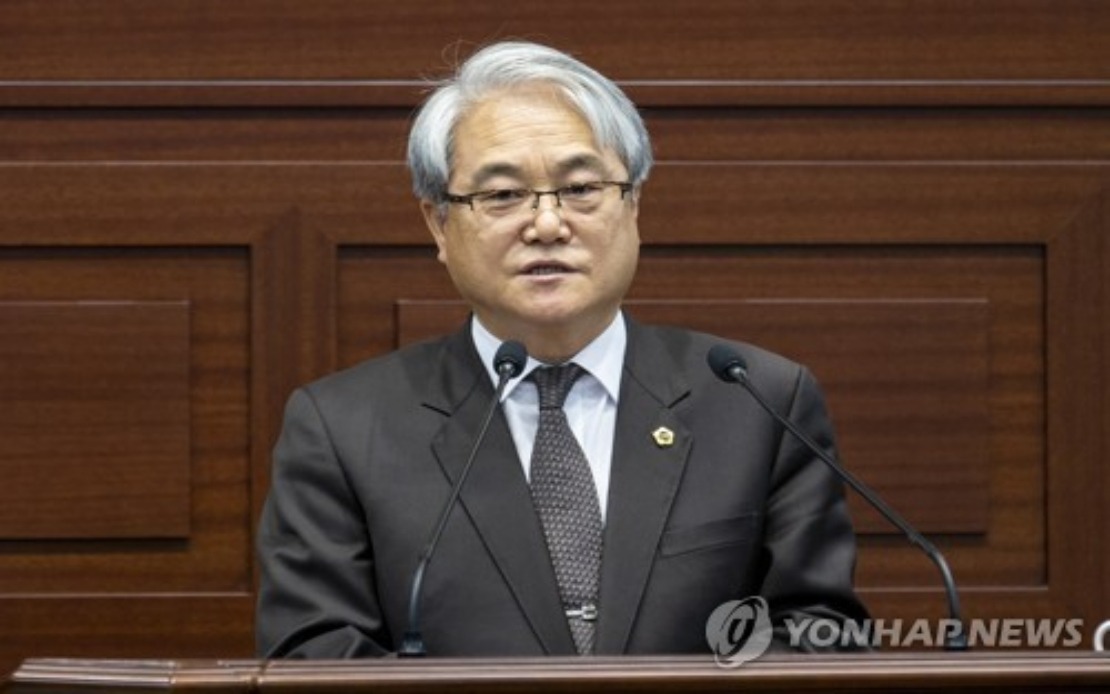
A former administrator of Cheongdo County in South Korea's southeastern region has been found dead while investigators examined allegations of corruption and criminal conduct during his tenure. Kim Ha-soo's body was discovered early Monday morning on a mountainside, accompanied by what authorities believe to be a handwritten note. The discovery marks a dramatic conclusion to an investigation that had exposed potential misconduct at the local government level and raised fresh questions about accountability in South Korea's administrative system.
Authorities recovered Kim's body at approximately 7 a.m., though police officials have withheld specific details regarding the circumstances of his death or the contents of the note found at the scene. The discovery comes at a critical juncture in the investigation, as Kim had faced mounting legal pressure from multiple fronts. His case represents the kind of high-profile public sector scandal that periodically emerges in South Korea, drawing intense media scrutiny and public concern about integrity within government institutions.
The investigation into Kim centered on his conduct while serving as county chief from 2022 until earlier this year. He had been formally charged with unlawfully receiving financial payments from a government official in exchange for facilitating that individual's promotion. The arrangement allegedly violated civil service regulations and constituted a clear breach of public trust. Such quid pro quo arrangements undermine merit-based advancement systems and erode public confidence in the impartiality of government hiring and promotion processes.
The bribery investigation took an unexpected turn when the individual suspected of delivering the illegal funds was himself found deceased. This earlier death had already complicated the investigation and raised questions about whether the case involved broader criminal elements beyond simple corruption. The death of the alleged intermediary suggested the situation extended beyond straightforward administrative misconduct into potentially more serious criminal territory, though authorities have not disclosed details about circumstances surrounding that death.
Beyond the bribery allegations, Kim faced additional legal jeopardy from a separate criminal referral. Prosecutors had referred the former county chief for investigation into an alleged break-in at the residence of a nursing home director in January. This home invasion charge suggested a pattern of aggressive or coercive behavior, raising concerns about whether Kim had used his official position to intimidate individuals or settle personal disputes through intimidation rather than legal channels. The combination of charges painted a troubling portrait of administrative conduct.
The case reflects broader governance challenges in South Korea, where periodic exposés of public sector corruption continue to undermine institutional trust. While the nation has implemented various anti-corruption measures and reforms, incidents involving local government officials repeatedly demonstrate vulnerabilities in oversight mechanisms and enforcement. The incident also illustrates how corruption investigations can extend beyond simple financial misconduct to encompass abuse of power and intimidation tactics.
For Malaysian observers, the South Korean case offers relevant lessons about the importance of robust independent anti-corruption institutions and transparent investigation processes. Malaysia's own governance landscape has similarly grappled with high-profile corruption cases involving former public officials and political figures, making regional comparisons instructive. The mechanisms through which investigations proceed and accountability is pursued in neighboring jurisdictions provide useful reference points for evaluating domestic institutional effectiveness.
The death of a public official under investigation inevitably complicates efforts to establish full accountability and understand the complete scope of alleged misconduct. When key witnesses or accused parties die before trial, the judicial process loses the opportunity to test evidence in open court and establish facts through cross-examination. This reality underscores the critical importance of timely investigation and prosecution of corruption allegations before circumstances beyond legal control intervene.
The Cheongdo incident also raises questions about workplace pressures and personal stress faced by officials embroiled in corruption investigations. While responsibility for alleged misconduct remains personal, the tragic outcome highlights the serious consequences individuals face when investigations commence, regardless of eventual legal determination. In South Korea's rigorous administrative and social environment, public exposure of corruption allegations carries substantial psychological and professional costs.
Looking forward, the case will likely prompt Cheongdo County authorities to review internal controls and oversight mechanisms to prevent similar situations. Local government agencies throughout South Korea may undertake fresh assessments of their own compliance procedures and ethics training programs. The incident serves as a stark reminder that corruption investigations, once initiated, follow their own inexorable trajectory and that individuals facing such scrutiny confront genuine personal consequences alongside legal liability.
The broader implications extend to public confidence in local government administration across South Korea. Cheongdo residents and citizens in surrounding areas will likely view their administrative institutions through a lens colored by this incident. Restoring such confidence requires not only preventing future corruption but also demonstrating that institutions can identify, investigate, and appropriately respond to misconduct when it occurs. The investigation's ultimate findings, despite the untimely death of the principal subject, will inform public understanding of what transpired and what systemic reforms may be necessary.

