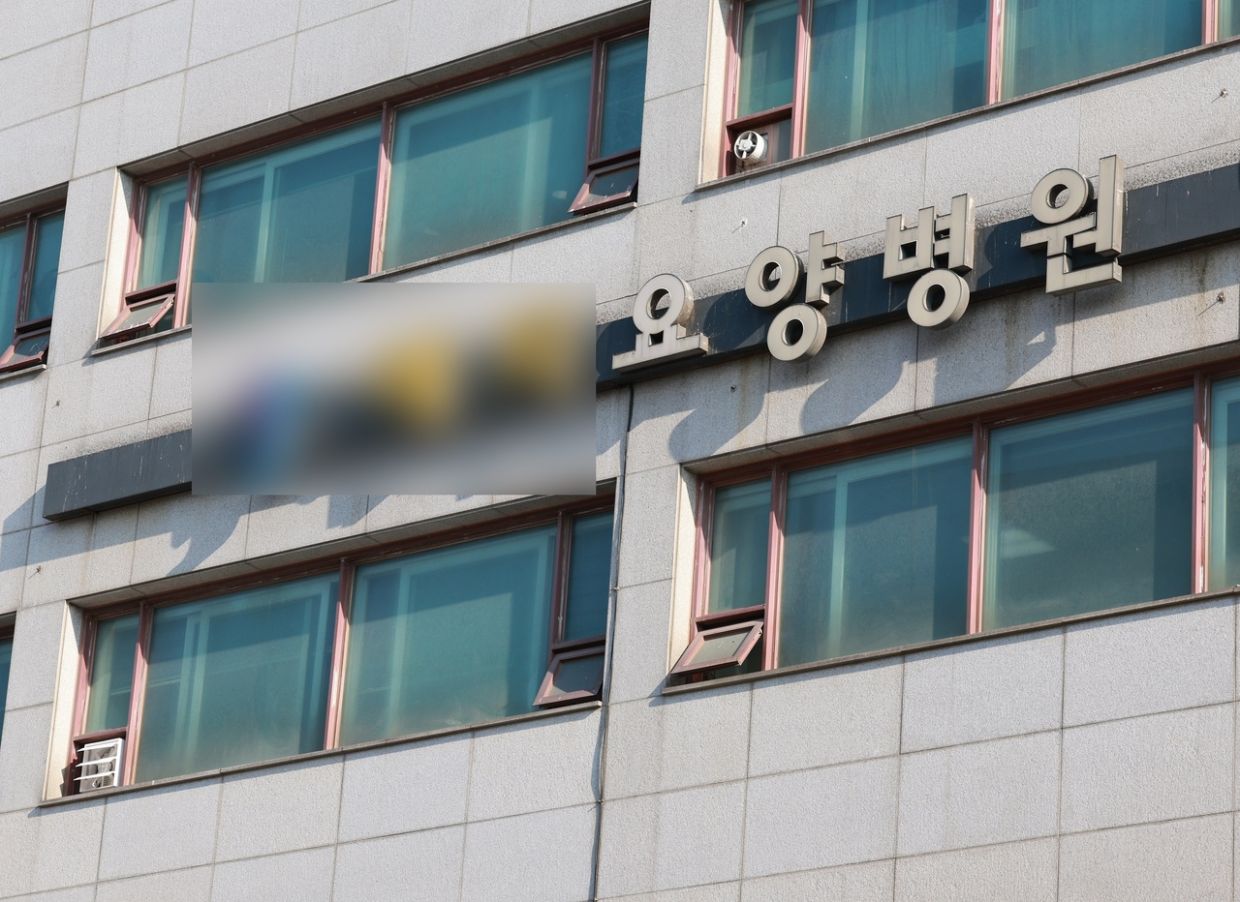
South Korean authorities have concluded their initial investigation into the discovery of a human leg at a recycling facility in Incheon, determining that the limb was inadvertently disposed of as general waste by a local hospital. Police at the Incheon Yeonsu station revealed on Friday that the leg, which surfaced at the Southern Regional Resource Recovery Centre on June 10, had originated from a nursing hospital in Jung-gu following a surgical amputation performed on an elderly female patient in her 80s.
The circumstances surrounding the disposal highlight troubling lapses in medical waste management protocols. Although the leg had been properly categorised as medical waste at the point of amputation, a member of the hospital's cleaning staff—a worker in his 60s—unknowingly mixed it with general refuse, apparently believing the severed limb was part of a mannequin or training model. This critical error allowed the body part to enter the regular waste stream, where it was eventually discovered by workers at the recycling facility during routine operations.
Forensic examination proved instrumental in establishing the origins and legitimacy of the discovery. The National Forensic Service initially conducted analysis confirming that the leg belonged to an adult, prompting investigators to contact multiple facilities across the region. Subsequently, staff from the Jung-gu nursing hospital voluntarily approached police with information suggesting the leg came from their facility. A follow-up DNA analysis by the National Forensic Service conclusively matched the biological material to the elderly patient, eliminating any suspicion of foul play or criminal activity.
The investigation has now shifted focus toward determining whether the hospital violated applicable legislation governing medical waste disposal. South Korea's Wastes Control Act contains explicit requirements mandating that all medical waste be segregated and disposed of exclusively through government-designated containers and authorised disposal channels. By allowing the amputated leg to be processed through standard recycling and waste management infrastructure, the hospital appears to have breached these mandatory procedures, potentially exposing patients and waste workers to health risks and violating environmental protection standards.
Beyond waste management concerns, police are simultaneously examining whether procedures governing the amputation itself complied with South Korean medical service regulations. Investigators have received allegations suggesting that the hospital in question may lack the necessary surgical equipment and facilities required to perform amputation procedures, raising questions about the authorisation and appropriateness of the operation. However, police officials declined to provide definitive commentary on these allegations, indicating that verification remains ongoing.
The dual investigation demonstrates the complexity of determining accountability in medical facility operations. A police spokesperson indicated that investigators have not yet identified a specific criminal clause under the Medical Service Act that would warrant prosecution in this case. Consequently, the authorities are consulting with multiple stakeholders including the Korean Medical Association, the Ministry of Health and Welfare, and legal experts to determine the appropriate framework for any potential charges or penalties.
For Malaysian and Southeast Asian readers, this incident underscores the critical importance of robust institutional protocols governing medical waste. Many regional hospitals and healthcare facilities handle similar scenarios regularly, yet disparities in waste management infrastructure and staff training can create comparable risks. The case demonstrates how even in developed nations with sophisticated regulatory frameworks, implementation gaps and human error can compromise safety standards, suggesting that facilities across Asia must prioritise comprehensive staff education and automated verification systems.
The incident also raises broader questions about working conditions and training for hospital support staff. The cleaning worker who discarded the leg was not acting maliciously but rather made a reasonable judgment based on inadequate information and possible insufficient workplace instruction. This points to systemic failures in how hospitals communicate and enforce protocols with non-medical personnel, a concern particularly relevant in Southeast Asian healthcare settings where staff turnover and training resources may be even more constrained.
Contextual information gathered during the investigation revealed that the elderly patient's family had sought admission to the nursing hospital after being turned away by other facilities due to her deteriorating medical condition. This detail highlights pressures within healthcare systems where capacity constraints and patient acuity levels force difficult admissions decisions. The family's decision to accept care at a facility lacking full surgical capabilities suggests broader challenges in medical infrastructure availability and patient access to appropriate care levels.
Police have completed their initial forensic and factual analysis but are now engaged in the more complex determination of legal responsibility and remedial action. This deliberative approach, while ensuring thorough investigation, also reflects the absence of clear-cut precedent for prosecuting such incidents under existing medical and waste management statutes. The consultation process involving regulatory bodies and professional associations suggests that South Korean authorities may use this case to clarify legislative gaps and establish clearer accountability frameworks for future incidents.
The implications for hospital administration are substantial, extending beyond potential fines or penalties to institutional reputation and operational oversight. Once the police investigation concludes and relevant bodies issue their findings, this case will likely influence how South Korean healthcare facilities implement and audit their medical waste protocols. For regional hospitals, the case serves as a cautionary example of how seemingly minor procedural oversights can cascade into public health incidents with investigative, legal, and reputational consequences.

