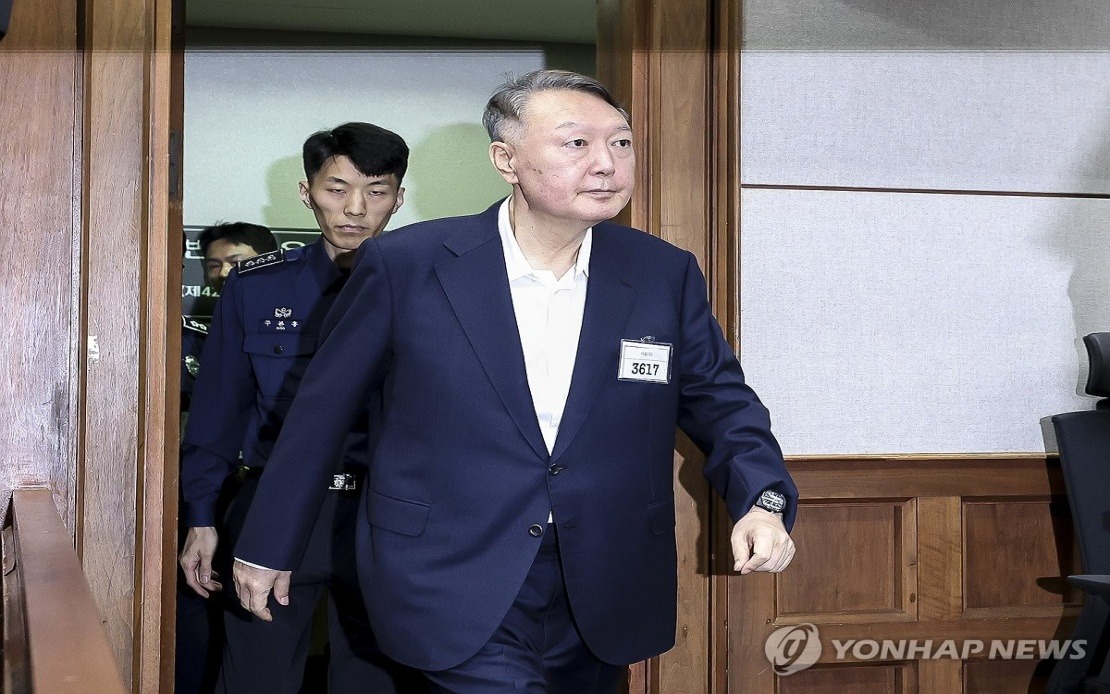
South Korea's Supreme Court has given the green light for live broadcast coverage of its verdict in the obstruction of justice case against former President Yoon Suk Yeol, rejecting arguments from his legal team that such public exposure would compromise his right to a fair hearing. The court announcement on Tuesday sets the stage for a nationally televised judgment scheduled for 2 pm on Thursday, representing the nation's highest judicial body's first ruling in the multiple charges brought against the embattled former leader. The decision underscores the intensifying scrutiny surrounding Yoon's legal troubles and reflects broader debates in South Korean society about transparency versus judicial privacy in high-stakes political cases.
The special counsel's office, led by Cho Eun-suk, had formally requested permission for the live broadcast last Friday, signalling the prosecution's willingness to put the proceedings before the public eye. Yoon's defence team mounted a vigorous counter-argument, maintaining that allowing television cameras into the courtroom would inflict lasting damage to his fundamental rights to an impartial trial as well as his personal dignity and standing. Despite these concerns, the court determined that the public interest in witnessing this pivotal moment outweighed the defence's objections, a judgment that carries significant implications for how South Korea's legal system balances transparency with procedural fairness.
The broadcast will utilise equipment operated by the court itself rather than allowing independent media cameras, a compromise that provides some control over how the proceedings are presented while still granting the public direct access to the verdict announcement. This technical arrangement reflects ongoing tensions within South Korea between demands for accountability and the judiciary's traditional concern about media sensationalism undermining court proceedings. For Malaysian observers, the decision demonstrates how different democracies navigate the intersection of open justice principles and protection of individual rights—a tension increasingly relevant as societies worldwide grapple with demands for judicial transparency.
Yoon's legal predicament stems from his shocking declaration of martial law on December 3, 2024, an unprecedented move that sent shockwaves through South Korea's political establishment and triggered swift constitutional challenges. The obstruction charges now before the Supreme Court centre on allegations that Yoon personally ordered his bodyguards to physically prevent investigators from executing an arrest warrant against him the following month. This conduct, prosecutors argue, represents a brazen effort to shield himself from accountability while simultaneously undermining the investigative capacity of law enforcement—a direct assault on the machinery of justice itself.
Beyond the obstruction allegations, the indictment encompasses additional serious charges reflecting the comprehensive legal assault against the former president. Yoon stands accused of violating the constitutional rights of nine Cabinet members by excluding them from advance consultations about his martial law decision, depriving them of the opportunity to formally dissent or withdraw from participation. The prosecution further contends that Yoon deliberately falsified official documents by revising the martial law proclamation after it had been rescinded, ostensibly to conceal structural irregularities in how he exercised this extraordinary power. He allegedly subsequently destroyed the modified document, compounding the obstruction allegations with evidence tampering.
The appellate court previously delivered a guilty verdict in April, imposing a seven-year prison sentence on the obstruction charges. This represented a significant escalation from the lower court's five-year sentence, though still falling short of the ten-year term the special counsel's team had recommended. Now the Supreme Court must decide whether to uphold, reduce, or increase this penalty, with the stakes considerably high given Yoon's already formidable legal exposure from concurrent proceedings.
The obstruction case forms only one component of Yoon's sprawling legal troubles. Running parallel through an appellate court is his principal trial on insurrection charges, stemming directly from his martial law declaration itself. In that more serious proceeding, Yoon received a life sentence at first instance—the harshest possible penalty—an outcome that stunned observers and underscored the gravity with which South Korea's judiciary treats threats to constitutional governance. The convergence of these multiple trials, each progressing through different court levels simultaneously, creates an extraordinary legal situation that has few precedents in the nation's democratic history.
The Supreme Court's decision to permit live broadcast coverage carries ramifications extending beyond the immediate case. It signals the court's confidence in the strength of the judicial process and its willingness to subject itself to public scrutiny at moments of historic importance. For South Korea, where political crises have periodically threatened democratic institutions, this transparency may serve to reinforce public faith in the judiciary's independence and impartiality. Regional observers, particularly from Malaysia and other Southeast Asian democracies wrestling with questions about judicial authority and political accountability, may find the South Korean approach instructive as they contemplate how courts can maintain legitimacy while addressing unprecedented challenges to constitutional order.
The timing of Thursday's verdict marks a critical juncture in South Korea's political narrative. Yoon's supporters maintain his prosecution represents political revenge disguised as law enforcement, while opponents argue that permitting a sitting president to declare martial law with impunity would irreversibly damage democratic safeguards. The live broadcast ensures that however the Supreme Court rules, the decision cannot be dismissed as occurring in judicial secrecy or subject to claims of backroom manoeuvring. This transparency addresses a fundamental concern in polarised political systems: the appearance and reality of justice must align for legal outcomes to command public acceptance, particularly when those outcomes affect former national leaders.
Looking ahead, the Supreme Court's verdict will reverberate throughout South Korean politics and society for years to come. Whether the court upholds, modifies, or overturns the lower rulings will send powerful signals about the judiciary's willingness to hold former presidents accountable and about the limits of executive power during constitutional crises. For Malaysia's political establishment and judicial system, watching how South Korea's courts navigate these treacherous waters offers valuable lessons about the institutional pressures that courts face when addressing former leaders and the methods through which they maintain legitimacy under extraordinary strain.

