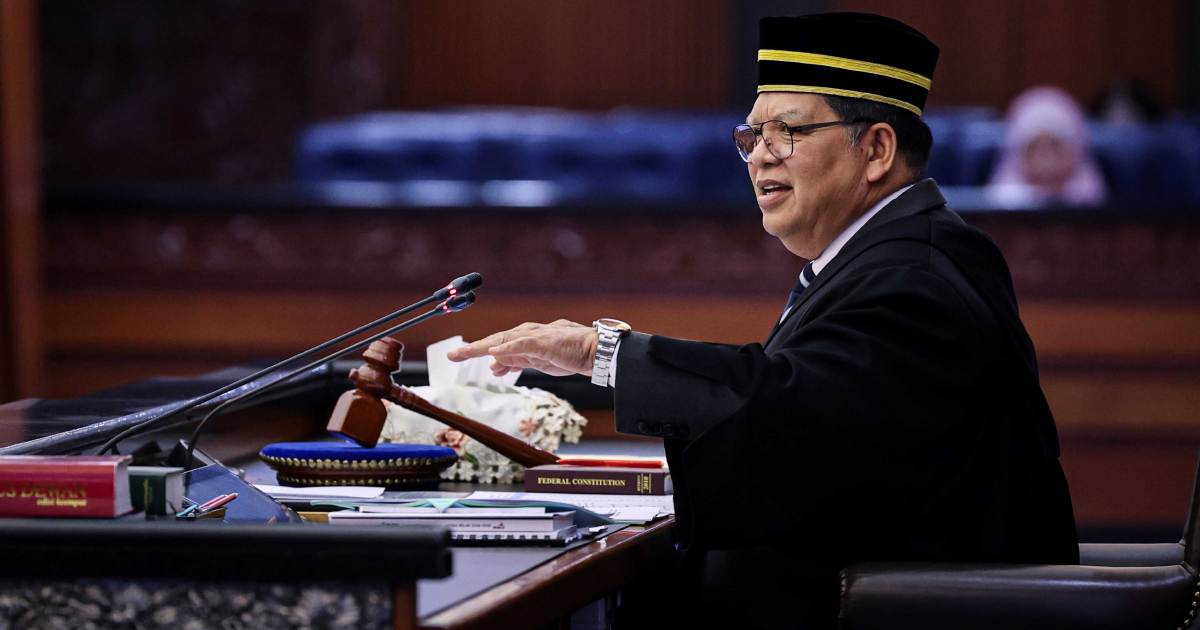
Dewan Rakyat Speaker Tan Sri Johari Abdul has issued a stern reminder to members of parliament that absenting themselves from legislative sessions requires compelling grounds, underscoring the importance of consistent parliamentary presence as a fundamental responsibility of elected representatives.
The reminder comes amid recurring concerns about member attendance during scheduled Dewan Rakyat meetings. Parliament serves as the primary forum where lawmakers debate legislation, scrutinize government policy, and represent the interests of their constituents. When members fail to attend without justifiable reasons, it undermines both the legislative process and public confidence in the institution itself.
Speaker Johari's statement reflects growing awareness among parliamentary leadership that maintaining robust attendance levels is essential to the functioning of Malaysia's democratic system. The Dewan Rakyat operates according to standing orders that outline expectations for member conduct and participation. These procedural frameworks exist to ensure orderly conduct of parliamentary business and to guarantee that the chamber maintains quorum during critical votes and debates.
For Malaysian MPs, parliamentary duty extends beyond mere physical presence. Members are expected to actively contribute to legislative work, serve on parliamentary committees, and remain accessible to constituents who elected them. The role demands commitment to multiple constituencies: their parliamentary seat's voters, their political party, and the broader national interest. When representatives absent themselves without valid cause, they shirk these interconnected obligations.
Validity for absence encompasses circumstances such as illness, family emergencies, official government assignments, and other serious matters that genuinely prevent attendance. The parliamentary system recognizes that legitimate impediments sometimes arise. However, the Speaker's warning suggests that casual or undisclosed absences have become sufficiently common to warrant formal intervention from the chamber's leadership. This pattern indicates a discipline problem that needs addressing at the institutional level.
The implications for Malaysia's legislative effectiveness are substantial. When attendance falls below acceptable levels, parliamentary committees lack sufficient working members, debate becomes less comprehensive, and legislative scrutiny weakens. For members representing specific constituencies, poor attendance signals lack of commitment to their elected role and may eventually face consequences from voters at the ballot box. Building a culture of accountability regarding attendance standards strengthens parliamentary institutions.
Context matters significantly in assessing the Speaker's concerns. Malaysia's parliament has experienced various challenges in recent political cycles, including government instability, shifting coalitions, and evolving dynamics between ruling and opposition blocs. During such periods, maintaining consistent attendance becomes even more crucial to ensuring legitimate legislative processes occur and that all perspectives receive adequate hearing.
The enforcement of parliamentary attendance standards typically involves social pressure, public scrutiny, and potential loss of committee positions or other parliamentary privileges. The Speaker's authority to administer these consequences provides leverage to encourage compliance. However, most effective solutions rely on fostering a culture where parliamentarians view their attendance obligations as non-negotiable elements of their public service commitment.
For Southeast Asian democracy advocates, parliamentary attendance records serve as indicators of institutional health. Strong attendance and active participation suggest vibrant legislative engagement, while chronic absenteeism can signal systemic problems ranging from inadequate oversight mechanisms to structural issues within the chamber itself. Malaysia's Dewan Rakyat, as the directly elected lower house representing all Malaysian voters, bears special responsibility for demonstrating robust parliamentary function.
The Speaker's reminder also carries implications for political parties, which typically exercise significant discipline over their members. Party leadership should reinforce these attendance expectations through their own internal mechanisms, making clear that parliamentary duties are non-negotiable. This shared responsibility between parliamentary leadership and political parties strengthens overall compliance.
Looking forward, Malaysian parliamentarians should internalize that representing constituents at the national level demands serious commitment to parliamentary sessions. These gatherings constitute the formal mechanism through which laws get made, budgets get approved, and governments account for their actions. Every absent member diminishes the legitimacy and effectiveness of proceedings. By heeding Speaker Johari's reminder, MPs can strengthen Malaysia's legislative processes and demonstrate genuine respect for the democratic mandate they received from voters.

