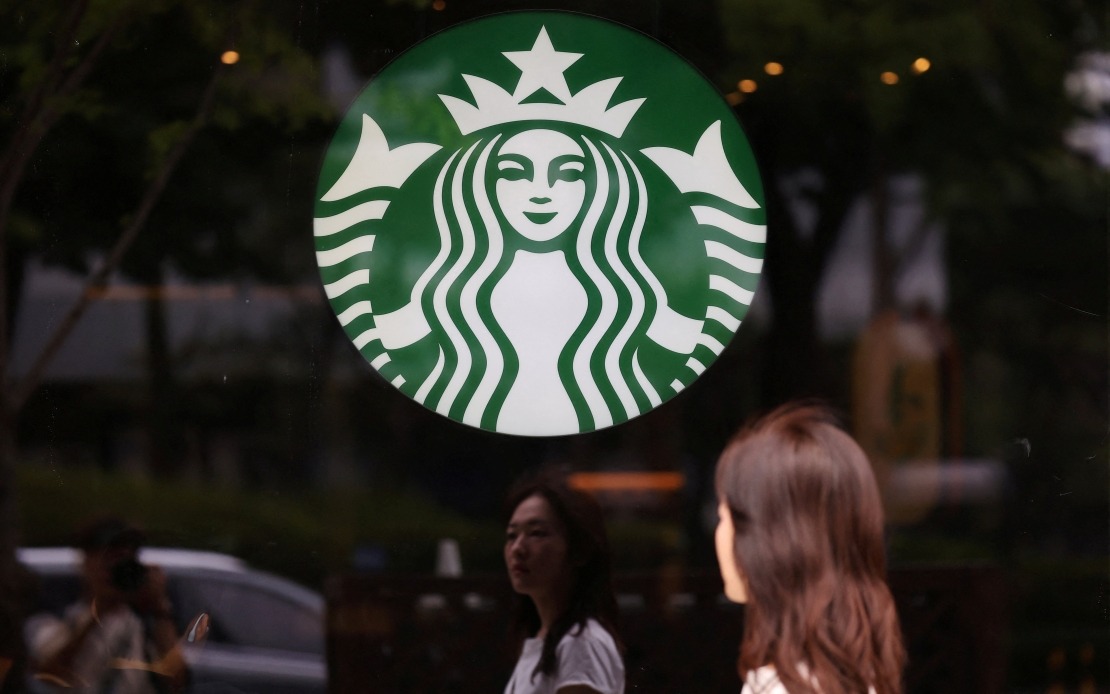
Starbucks Korea executed an unprecedented nationwide shutdown on Monday afternoon, closing more than 2,000 outlets across the country to conduct compulsory staff training sessions focused on historical education. The dramatic move came in the wake of a marketing campaign that sparked intense public backlash and reignited painful national memories, prompting the coffee chain's Korean operator to take swift corrective action with this company-wide pause in operations.
Shinsegae, the South Korean conglomerate holding the Starbucks franchise rights for the Korean market, had launched a promotion last month centred on a new stainless steel thermos product branded as the "SS Tank," marketing May 18 as "Tank Day." The campaign proved catastrophically tone-deaf when South Korean consumers made the historical connection: on May 18, 1980, the nation's military government violently crushed a pro-democracy uprising in Gwangju, deploying armoured tanks and soldiers in a brutal crackdown that resulted in the deaths of several hundred civilians and remains one of South Korea's darkest chapters.
The public response was swift and unforgiving. Social media erupted with calls for boycotts, and the campaign was hastily withdrawn within hours of its launch. The incident exposed what many Koreans viewed as a shocking indifference to national trauma, raising questions about internal oversight and cultural sensitivity within major corporations operating in the country. For many South Korean consumers, the connection between the product name, the chosen date, and the Gwangju massacre was unmistakable and deeply offensive, regardless of whether the correlation was intentional or merely a catastrophic oversight.
While media coverage highlighted the secondary controversy surrounding the "SS" abbreviation—which, beyond its use for stainless steel in this context, echoes the Nazi paramilitary organisation—this aspect appeared to be a tertiary concern compared to the primary outrage over the May 18 connection. The ambiguity added another layer of poor judgment to the campaign, though observers largely viewed it as compounding an already severe lapse in cultural awareness rather than the root cause of public fury.
President Lee Jae Myung weighed in publicly on the scandal, condemning what he characterised as corporate insensitivity. "I am furious at the inhumane behaviour of such businesspeople," the president posted on his X account, amplifying criticism and signalling that the controversy had transcended consumer sentiment to become a matter of national concern and political commentary.
Shinsegae moved quickly to contain the damage. The company issued a formal apology and terminated the executive deemed responsible for approving the campaign, sending a clear signal that accountability would be imposed internally. Following an internal investigation, the corporation asserted that the campaign held no intention to dishonour or defame the victims of the 1980 democracy movement, characterising the incident as a grave oversight rather than deliberate provocation. However, such statements offered limited reassurance to a public already sensitised to corporate negligence regarding historical matters.
The decision to close all outlets nationwide and conduct mandatory historical training represented an unusual response to a marketing misstep, suggesting that Shinsegae and Starbucks Korea viewed the incident with sufficient seriousness to warrant operational disruption across their entire network. The training sessions appeared designed not merely as damage control but as a genuine effort to educate staff about the historical context that made the campaign so offensive, potentially preventing similar lapses in judgment in future.
Seoul police have initiated their own investigation into the campaign's background, indicating that authorities view the matter with sufficient concern to warrant formal scrutiny. The police involvement underscores how marketing decisions can cross into territory touching on national sensitivities and historical memory, particularly in a country where the Gwangju massacre remains a significant touchstone for questions about justice, accountability, and respect for victims of state violence.
The incident carries implications beyond South Korea's borders. For multinational corporations and franchise operators across Southeast Asia and the broader region, the episode serves as a cautionary tale about the necessity of rigorous cultural vetting before campaign launches. Marketing teams in major companies often operate with insufficient historical knowledge, particularly regarding pivotal but painful national moments that shape collective memory. In Malaysia, with its own complex post-independence history and communal sensitivities, corporate communications teams would be wise to recognise that similar lapses—whether involving dates linked to significant traumas, symbolic imagery, or product naming—could trigger comparable public reactions.
The Starbucks Korea situation also reflects broader corporate governance questions about decision-making authority and oversight in subsidiary operations. Shinsegae's status as a major conglomerate did not prevent the campaign from reaching the market, suggesting that approval processes may have been insufficiently rigorous or that historical literacy among decision-makers was inadequate. For investors and consumers across the region evaluating corporate responsibility, the incident raises questions about institutional culture and whether companies have embedded sufficient ethical review mechanisms into marketing approval workflows.
Moving forward, the company faces a period of rebuilding trust with South Korean consumers. While the swift removal of the campaign, executive termination, and company-wide historical education might mitigate long-term damage, consumer boycotts rooted in perceived disrespect toward historical victims can prove remarkably durable. Whether Starbucks Korea's reputation recovers will likely depend on sustained demonstration of cultural sensitivity in subsequent marketing decisions and genuine engagement with the communities most affected by historical trauma.

