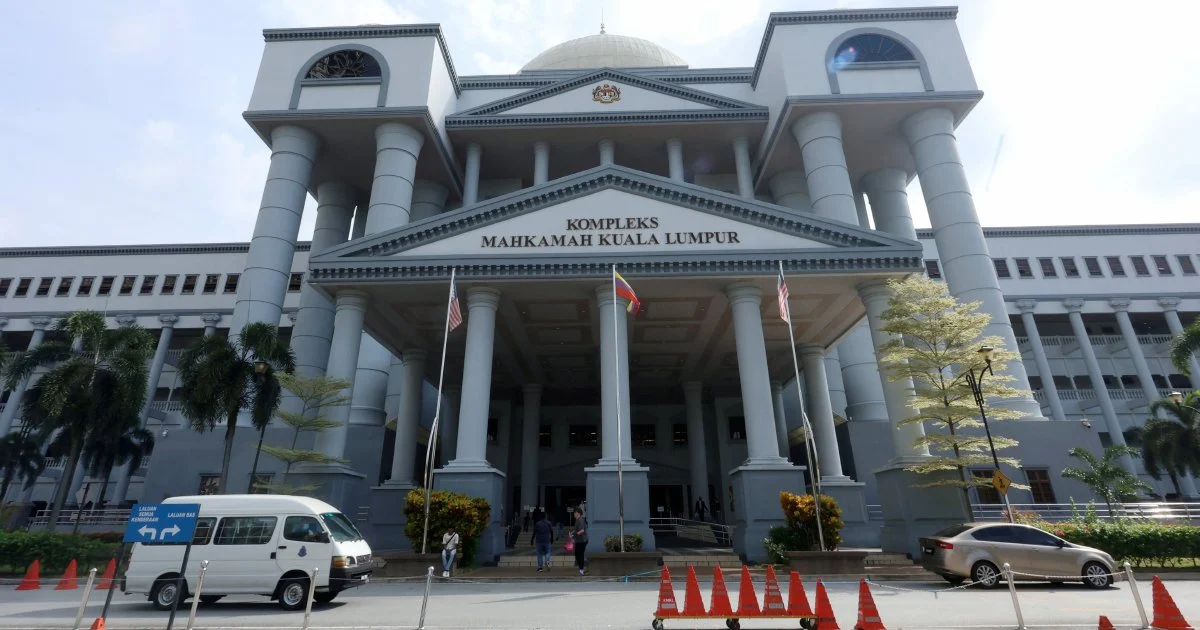
A senior executive leading a statutory body is set to make a significant appearance before Malaysia's Sessions Court to face serious corruption allegations spanning multiple counts of soliciting and receiving illicit payments exceeding RM1 million. The case represents another high-profile instance of alleged graft within the public sector, underlining persistent concerns about accountability and integrity within state-owned institutions despite repeated anti-corruption pledges from the government.
The charges centre on the accused's alleged involvement in accepting bribes connected to the procurement and construction of sports facilities. Such allegations strike at the heart of public resource management, as sports infrastructure projects typically involve substantial government budgets intended to benefit communities nationwide. When officials abuse their positions to extract improper payments from contractors or suppliers, the cost ultimately falls on taxpayers and communities waiting for quality facilities.
Under Malaysia's anti-corruption framework, which includes the Malaysian Anti-Corruption Commission Act, soliciting bribes carries severe penalties intended to deter misconduct among public servants. The severity of these charges—with the accused facing multiple counts rather than consolidated allegations—suggests the investigation uncovered a pattern of conduct rather than isolated incidents. This distinction carries weight in courts, as it demonstrates systematic rather than opportunistic wrongdoing.
The statutory body sector in Malaysia oversees critical functions ranging from infrastructure development to regulatory services. When leaders within these organisations face corruption allegations, it raises questions about governance structures and oversight mechanisms. The appointment of such executives typically involves board-level decisions, yet failures in internal controls often become apparent only after external investigations commence. This case will likely prompt renewed scrutiny of how statutory bodies vet and monitor their senior management.
Sports facility projects have become increasingly politicised procurement opportunities in many Southeast Asian countries, including Malaysia. Politicians and officials often view such developments as legacy-building ventures with high visibility. However, this visibility should theoretically discourage corruption, as projects undergo public scrutiny. When bribes are nonetheless allegedly solicited, it suggests either inadequate institutional oversight or confidence among officials that detection risks remain low—both problematic scenarios.
The Malaysian Anti-Corruption Commission has intensified efforts to prosecute white-collar crimes in recent years, partly responding to international pressure and domestic demands for governance reform. This case feeds into a broader narrative of the enforcement agency's commitment to pursuing high-ranking officials regardless of position. However, critics argue that while headline-grabbing cases against executives generate public attention, the underlying systemic issues—weak procurement processes, inadequate asset declaration enforcement, and limited transparency—often remain unaddressed.
For Malaysian sports development, corruption allegations involving facilities infrastructure underscore broader challenges facing the sector. Delays in project completion, cost overruns, and quality compromises often correlate with corrupt procurement practices. Athletes and sporting bodies across Malaysia depend on quality facilities for training and competition; when construction budgets are diverted through bribes, facilities frequently fall short of intended standards, hampering the nation's competitive standing internationally.
The public sector workforce comprises hundreds of thousands of dedicated civil servants and statutory body employees. Corruption cases involving senior executives risk damaging morale among honest professionals and reinforcing negative public perceptions of government institutions. This reputational damage extends to Malaysia's international standing, potentially affecting foreign investment decisions and collaborative partnerships on development projects.
The Sessions Court proceedings will likely involve detailed examination of financial transactions, communications between involved parties, and the decision-making processes surrounding the sports facility contracts. Prosecution will need to establish clear causality between payments made and official decisions taken. Defence counsel will presumably contest the allegations through various legal arguments, making the trial outcome uncertain despite serious charges.
Regionally, Malaysia's corruption prosecution record carries significance. As one of Southeast Asia's larger economies, Malaysia's success or failure in holding officials accountable influences governance standards across the region. Neighbouring countries often benchmark their own anti-corruption efforts against Malaysian outcomes, making high-profile cases important indicators of institutional integrity.
Beyond the immediate court proceedings, this case raises fundamental questions about preventive corruption strategies. Rather than relying solely on prosecution after the fact, statutory bodies and government agencies might strengthen competitive tendering processes, enhance transparency requirements, and implement real-time financial monitoring. The accused's position as chief executive suggests such oversight mechanisms either proved inadequate or were circumvented, both troubling conclusions requiring institutional response.
The outcome of these proceedings will carry implications beyond the individual defendant. It will signal to other public officials the credibility of anti-corruption enforcement, potentially influencing their own conduct and risk calculations. Conversely, if the prosecution struggles to prove its case convincingly, it might embolden others contemplating similar conduct. Either way, the case will contribute to Malaysia's evolving narrative around public sector accountability and governance reform.