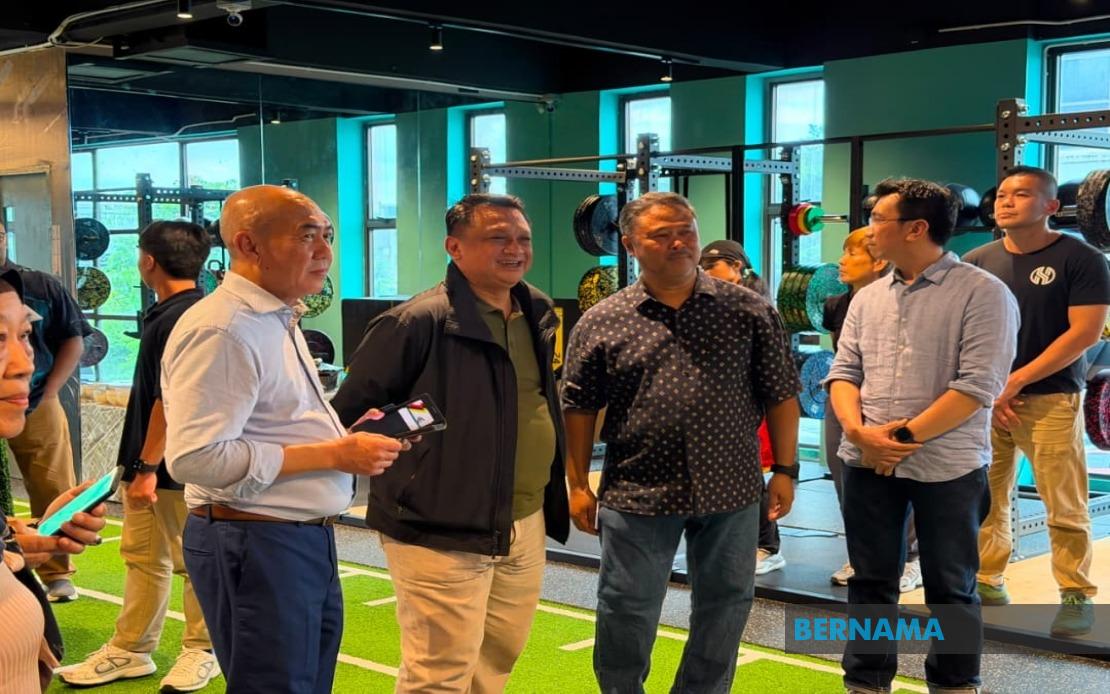
Malaysia's healthcare system faces mounting pressure from fall-related injuries among senior citizens, a preventable crisis that experts say stems largely from insufficient public awareness about the protective benefits of muscle-strengthening exercise. Dr Adibah Ali, owner of FitLab gymnasium in Kuching, has become increasingly vocal about this public health blind spot, emphasising that deliberate, targeted strength training can dramatically reduce fracture risks and enhance mobility in later life. Speaking during a royal visit to her facility by the Raja Muda of Perlis, Tuanku Syed Faizuddin Putra Jamalullail, alongside the Raja Puan Muda and their entourage, Dr Adibah drew on two decades of clinical experience to underscore the urgent need for community-level intervention.
During her 22 years working in hospital settings, Dr Adibah witnessed firsthand the cascading consequences of falls among elderly patients, many of whom required extended inpatient stays following fracture-related trauma. These episodes frequently mark the beginning of accelerating decline in senior citizens, creating ripple effects across family structures and straining healthcare resources. What troubles Dr Adibah most is that many of these incidents could be prevented through proactive engagement with resistance and strengthening protocols. The issue transcends simple fitness considerations; it represents a fundamental quality-of-life question for a demographic that Malaysia, like most Southeast Asian nations, is seeing expand rapidly as life expectancy increases and birth rates decline.
The distinction Dr Adibah emphasises is crucial for public perception: muscle-strengthening regimens need not resemble competitive bodybuilding programmes or intensive athletic training. Rather, the objective centres on building sufficient muscular capacity to stabilise the skeletal system, protect joints from excessive stress, and maintain the neuromuscular coordination necessary for safe movement. Enhanced strength directly translates into practical independence—the ability to navigate staircases without anxiety, carry groceries or household items without strain, and move through daily environments with confidence and reduced injury risk. For many seniors, this autonomy represents the difference between maintaining dignity and autonomy versus becoming dependent on family members or care facilities.
Recognising these imperatives, FitLab has committed to developing specialised fitness classes tailored specifically to the elderly demographic. These programmes will move beyond generic exercise instruction to address the particular vulnerabilities and capabilities of older adults, incorporating principles of progressive overload, proper form, and injury prevention. Simultaneously, the gymnasium plans to establish partnerships with Pusat Aktiviti Warga Emas (PAWE), the national senior activity centre network, to broaden programme accessibility and leverage existing community infrastructure. Such collaboration reflects a growing recognition across Malaysia that combating age-related health challenges requires multi-stakeholder engagement spanning private enterprise, government agencies, and community organisations.
The Royal visit itself underscores official acknowledgment of the issue's significance. Sarawak Deputy Minister of Youth, Sports and Entrepreneur Development Datuk Gerald Rentap Jabu attended the event and subsequently articulated a complementary vision, stressing that Sarawak's demographic trajectory makes senior wellness initiatives increasingly urgent. Citizens aged 50 and above constitute an expanding proportion of Sarawak's population, a trend replicated across Malaysia and the broader region. This demographic transition creates both challenges and opportunities: the burden of age-related health conditions will intensify, but so too will the scale of potential impact from preventive interventions implemented now.
Rentap advocated for a holistic approach to senior citizen engagement that extends beyond physical conditioning alone. He highlighted the importance of mental stimulation alongside physical activity, citing chess and similar cognitively demanding pursuits as valuable complements to fitness programming. This integrated perspective aligns with contemporary gerontology research, which demonstrates that cognitive and physical decline are often intertwined, and that multifaceted wellness approaches yield superior outcomes compared to siloed interventions. The involvement of PAWE in coordinating such initiatives suggests movement toward more systematic, evidence-informed strategies for promoting healthy ageing across the state.
Malaysia's context adds particular urgency to these discussions. As a middle-income nation with improving healthcare outcomes but still-developing preventive health infrastructure in many regions, Malaysia occupies a crucial position where targeted, cost-effective interventions could substantially alter health trajectories for millions of seniors. Fall prevention through strength training represents exactly such an opportunity: the financial outlay relative to societal benefits is highly favourable, the scientific evidence is robust, and implementation can proceed through existing community structures. Yet awareness gaps persist, particularly in smaller cities and rural areas where fitness facilities may be limited and health literacy regarding preventive geriatric care remains inconsistent.
The personal dimension of Dr Adibah's advocacy cannot be overlooked. Her transition from clinical medicine to fitness entrepreneurship reflects a growing recognition among healthcare professionals that disease prevention and health promotion often require platforms beyond traditional medical settings. By establishing FitLab and now directing its mission toward senior wellness, she models an alternative pathway for healthcare expertise to influence population health outcomes. Her emphasis on raising community awareness about strengthening exercises represents investment in upstream prevention—addressing risk factors before they manifest as costly hospital admissions and prolonged disability.
Looking forward, the convergence of professional advocacy, royal patronage, and government support visible in this Kuching event may signal broader momentum toward repositioning elderly fitness in Malaysian public health discourse. If scaled effectively, specialised strength-training programmes could reduce fall-related hospitalisations significantly, lower healthcare costs, and most importantly, preserve independence and quality of life for hundreds of thousands of seniors. The challenge ahead involves translating awareness and good intentions into sustained, accessible programmes that reach Malaysia's most vulnerable elderly populations, particularly those in underserved communities where fall risks may be highest and access to preventive services most limited.

