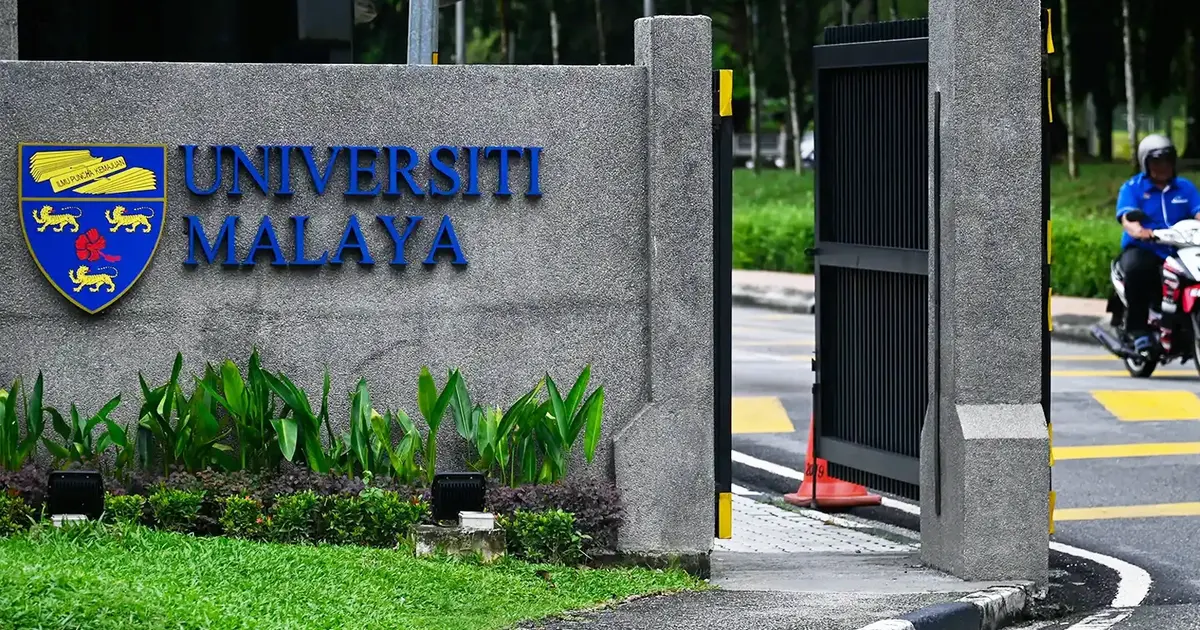
A prominent student activist collective has intensified pressure on the University of Malaya to disclose findings from an ongoing sexual harassment investigation into one of its academics, citing prolonged delays and a lack of institutional transparency on a matter of considerable campus concern. NewGen UM, which has established itself as a vocal advocate for student rights and workplace safety standards, contends that the university's communication regarding the probe falls short of public accountability expectations, particularly given previous assurances about the investigation's timeline.
The controversy centres on the university's handling of allegations against a member of its faculty, with the investigation having captured significant attention within academic circles and student communities. In September of the previous year, university officials had publicly indicated that the investigative process was approaching completion, suggesting an imminent announcement of conclusions. That timeline has evidently slipped considerably, with no formal outcome statement forthcoming despite the intervening months.
The absence of closure on this matter reflects broader systemic challenges that Malaysian universities face in managing sensitive personnel investigations with both rigor and reasonably prompt resolution. The extended timeline raises legitimate questions about the adequacy of institutional mechanisms designed to handle workplace misconduct cases, a particularly acute concern given Malaysia's ongoing social conversation around workplace harassment and gender-based discrimination.
NewGen UM's intervention represents the kind of sustained scrutiny that civil society organisations increasingly bring to bear on institutional accountability. The group's insistence on tangible updates reflects not merely impatience but a principled stance that universities, as publicly-funded or publicly-affiliated institutions, bear a duty to communicate with their constituents when investigations touch on matters of institutional integrity and student welfare.
Universal higher education governance frameworks increasingly recognize that investigative transparency—while necessarily respecting due process and confidentiality constraints—serves multiple essential functions. Clear communication about investigation status reassures the broader academic community that allegations are being treated with appropriate seriousness, discourages institutional complacency, and ultimately strengthens institutional credibility on matters of ethical conduct.
For Malaysian university administrators, the spotlight now falls on how they balance competing imperatives: the need for thorough, deliberate investigation that respects the rights of all parties involved, against the institutional obligation to maintain public confidence through timely, substantive communication. The gap between September's assurance of final stages and the current absence of announced conclusions suggests something may have complicated the process—whether additional evidence emerged, procedural complexities arose, or other unforeseen factors intervened.
The investigation's prolongation also intersects with broader conversations about workplace protections across Malaysian institutions. Universities operate as microcosms of larger societal dynamics, and how they manage harassment allegations sets precedent and cultural tone for their constituent communities. When investigations stretch beyond initially-projected timeframes without explanation, it can inadvertently signal that institutional priorities may have shifted or that the matter receives less urgent attention than initially suggested.
NewGen UM's advocacy sits within Malaysia's evolving landscape of student activism and institutional accountability, where younger generations increasingly assert expectations that universities operate according to transparent, equity-oriented principles. This generational shift has already influenced how many institutions approach campus safety protocols, gender-based violence prevention, and the handling of misconduct allegations.
The university's obligations extend beyond merely concluding the investigation to communicating its findings in ways that acknowledge the investigation's significance. How conclusions are presented—whether through detailed public reporting, confidential communication to affected parties, or other mechanisms—carries profound implications for institutional credibility and for setting normative expectations about how universities should manage such matters.
Moving forward, this situation illustrates the imperative for Malaysian institutions to establish clear, predetermined frameworks governing how they announce investigation outcomes, establish reasonable timeline expectations, and balance confidentiality requirements against accountability obligations. Such frameworks, ideally established before investigations commence, can help prevent the appearance of institutional foot-dragging while protecting procedural integrity.
The case also underscores the value of external pressure from organized student groups, which serve as important monitors of institutional compliance with their own stated commitments. When universities announce investigation timelines, those become public commitments against which their performance can be measured. Accountability mechanisms, whether internal ombudsperson offices or external oversight bodies, gain relevance precisely when institutions appear to be faltering on their commitments.
For the broader Malaysian higher education sector, this episode offers instructive lessons about the importance of establishing clear institutional policies around misconduct investigations, communicating transparently with stakeholders, and maintaining momentum on matters that touch on student safety and institutional integrity. Universities that delay such communications often find that their eventual announcements carry less weight, as the delay itself becomes a separate credibility issue.

