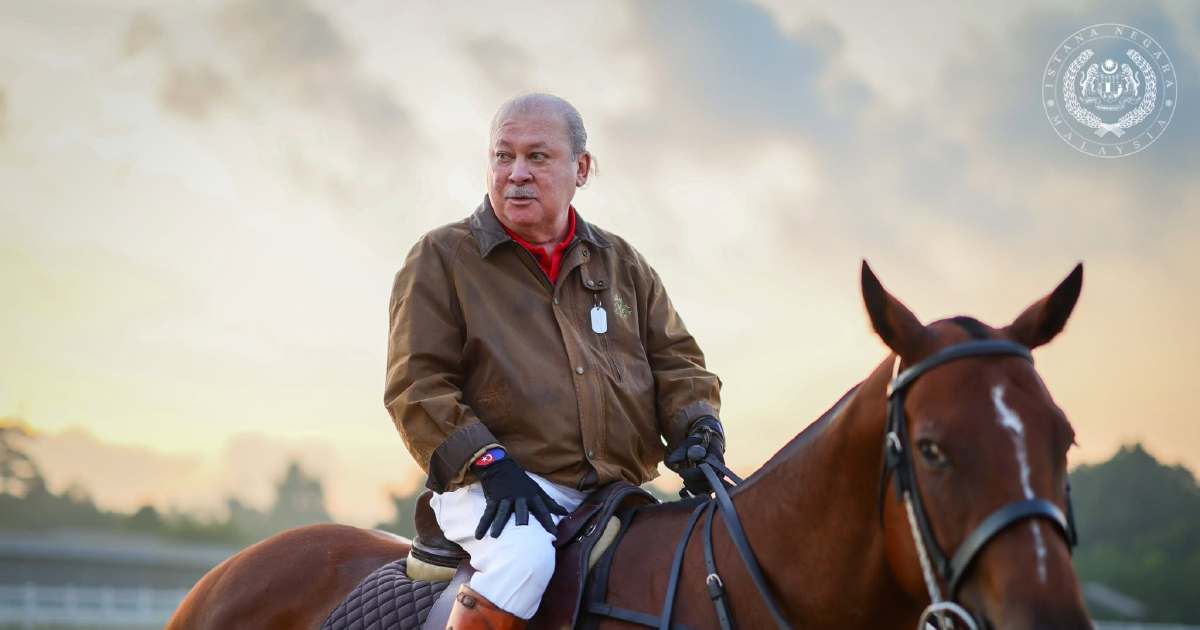
His Majesty Sultan Ibrahim, King of Malaysia, kept to his established morning fitness schedule at the Royal Johor Polo Club situated within the grounds of Istana Pasir Pelangi in Johor Baru, engaging in an unhurried horse-riding session that showcased a measured and composed demeanour. The sovereign's dedication to regular equestrian activity forms part of a disciplined approach to personal wellness, a practice increasingly visible among Malaysia's leadership in managing the demands of high office.
The continuation of such traditions reflects the historical connection between Malaysian royalty and horsemanship, a pursuit long associated with both leisure and disciplined physical conditioning. The Royal Johor Polo Club, situated on palace grounds, provides an exclusive and secure setting for such activities, allowing the monarch to maintain privacy whilst engaging in meaningful exercise. The calm, deliberate pace observed during the morning session underscores a measured approach to fitness management suitable for someone holding the nation's highest constitutional office.
Regular physical activity among national leaders carries symbolic importance in Malaysia, where public health messaging has increasingly emphasised the necessity of consistent exercise routines across all age groups. Sultan Ibrahim's visible commitment to maintaining fitness through horseback riding serves as an implicit endorsement of active lifestyles, particularly meaningful given the widespread sedentary patterns now prevalent across Malaysian society. His actions send a subtle but significant message about prioritising health and wellbeing, a focus increasingly relevant as Malaysia confronts rising rates of lifestyle-related diseases.
The Royal Johor Polo Club itself represents an important institutional space within Johor's royal landscape. Polo, historically a sport of considerable prestige, carries deep cultural resonance within Malaysian royal circles and maintains strong historical ties to the sultanates' past. The facility's location within Istana Pasir Pelangi, the official royal residence in Johor, ensures that such activities remain integrated within the monarch's daily life rather than constituting an exceptional diversion from duties.
Maintaining personal fitness routines whilst fulfilling demanding constitutional responsibilities requires careful time management, a skill essential for any sitting monarch. Sultan Ibrahim's adherence to his established schedule demonstrates the importance placed on balancing official engagements with personal health maintenance, a balance that senior government figures frequently struggle to achieve. The structured, predictable nature of morning equestrian sessions allows for consistent physical conditioning despite fluctuating demands placed on the sovereign's calendar throughout any given week.
The observed relaxed manner during riding suggests attention to sustainable exercise practices rather than strenuous exertion. Such an approach reflects contemporary understanding of fitness maintenance across the lifespan, emphasising moderate, consistent activity over intense bursts of exercise. For a nation where many citizens grapple with weight management and sedentary disease patterns, the visible pursuit of steady, manageable physical activity by the head of state carries practical pedagogical value beyond mere symbolism.
Johor holds particular significance within Malaysia's constitutional framework, having provided five of the nation's thirteen sultans who have served as King. The state's royal traditions run exceptionally deep, and the maintenance of time-honoured practices such as polo and equestrian pursuits represents continuity within Johor's institutional culture. Sultan Ibrahim's engagement with these established customs reflects his embeddedness within centuries-old royal traditions whilst simultaneously demonstrating their contemporary relevance.
The selection of early morning for such activities aligns with established practice amongst many senior Malaysian leaders and reflects broader cultural appreciation for commencing the day with structured activity. Morning horseback riding allows completion before the formal schedule of state business commences, thus ensuring that fitness pursuits do not encroach upon constitutional or administrative duties. Such time management proves especially critical for the monarchy, which must maintain constant availability for matters of national importance whilst simultaneously honouring other elements of royal responsibility.
Such routine observations of the monarch's daily activities, whilst seemingly modest, carry wider significance within Malaysia's political culture. The visibility of Sultan Ibrahim engaging in regular, disciplined personal practices contributes to broader narratives about leadership quality and national direction. In an era where leadership competence frequently faces public scrutiny, demonstrable commitment to personal wellbeing and fitness becomes implicitly connected to broader assessments of administrative capability and national stewardship.