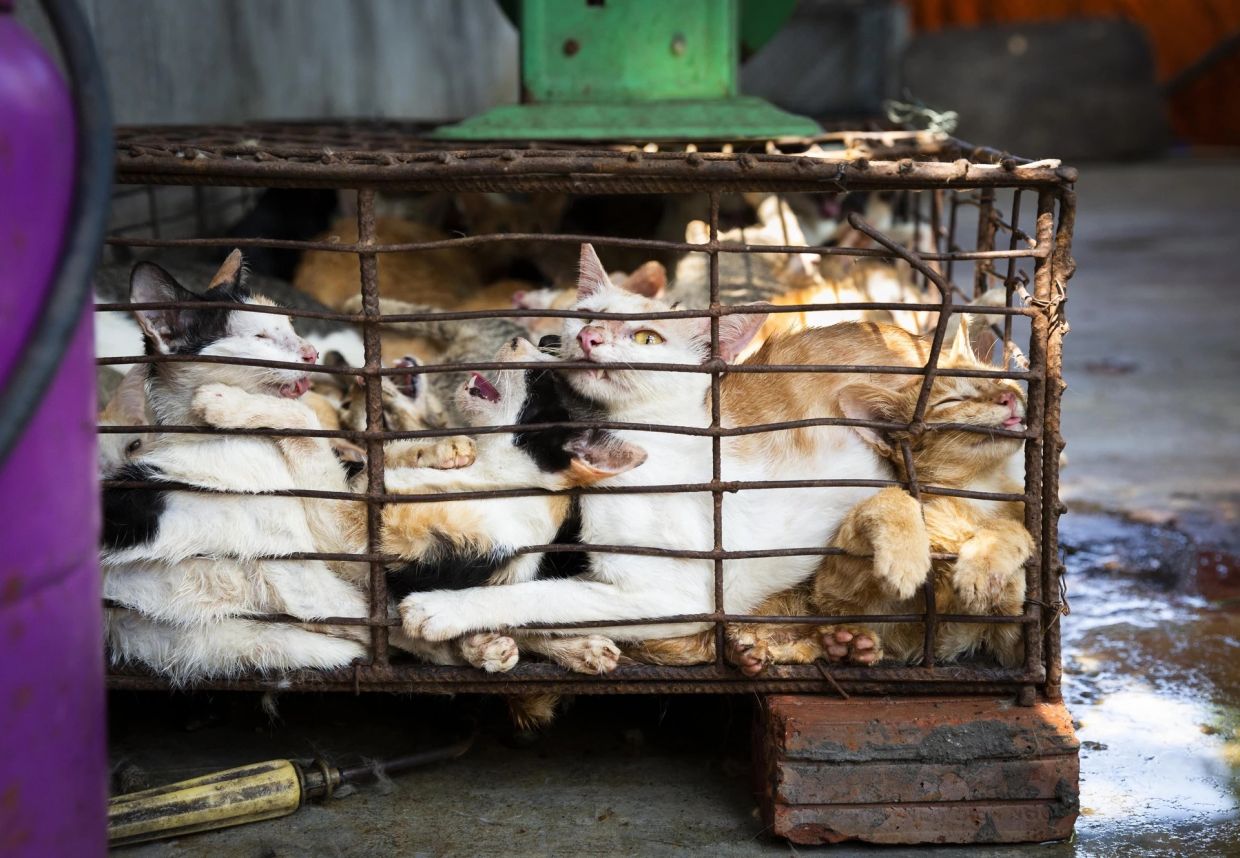
An underground trade in cat meat continues to flourish across Indochina, fuelled largely by deeply embedded cultural superstitions and the belief that consuming feline flesh brings good fortune or health benefits. Animal welfare organisations estimate the scale of slaughter is staggering: roughly one million cats are killed every year in Vietnam alone, with additional numbers being trafficked and killed in remote communities throughout Cambodia and Laos. Despite the prevalence of this trade, international pressure and awareness campaigns spanning decades have failed to substantially curb the practice, revealing the complex interplay between entrenched tradition and modern animal welfare concerns in the region.
The superstitious underpinning of this trade runs deep in parts of Southeast Asia, where cat consumption has become historically linked to notions of luck, fortune, and spiritual wellbeing. According to Jon Rosen Bennett, who leads dog and cat welfare initiatives at FOUR PAWS, the trade is predominantly driven by cultural and traditional beliefs rather than necessity as a dietary staple. In Vietnam specifically, some communities believe that consuming cat meat during particular phases of the lunar calendar can reverse periods of misfortune or attract luck into their lives. Beyond fortune-telling, portions of the population attribute medicinal and health-giving properties to cat meat, creating a persistent demand that sustains poachers and traffickers.
The scale and brutality of this illicit operation became starkly apparent when Ho Chi Minh City police recently dismantled a smuggling network that had been systematically stealing cats from households and streets. The authorities rescued approximately five hundred felines from the gang's operations and detained nine members suspected of trafficking cats across provincial boundaries over a three-year period. This particular bust represents just one snapshot of what animal welfare investigators believe is a much larger, fragmented network of theft and trafficking that extends throughout the country's urban and rural areas, with cats often stolen directly from homes or collected from public spaces before being transported for slaughter.
Pricing data gathered by FOUR PAWS during 2020 investigations reveals the economic structure underpinning this trade. Live cats fetched between six and eight United States dollars per kilogramme at the point of sale, while dressed meat commanded a higher price of ten to twelve dollars per kilogramme. Notably, black cats commanded a premium price due to their perceived heightened luck-bringing or medicinal potency, demonstrating how superstitious beliefs directly translate into economic incentives that encourage poachers to target specific animals. These prices, though modest by international standards, represent sufficient profit margins in developing economies to sustain organised trafficking networks.
One striking paradox undermines justifications for continuing the trade: public sentiment across the region overwhelmingly opposes cat meat consumption and the associated trafficking. Jon Rosen Bennett highlighted a critical disconnect between the practices of a minority and the views of the broader population, noting that approximately ninety percent of Vietnamese respondents in surveys stated they would support a comprehensive ban on both dog and cat meat trading. Even more tellingly, more than ninety percent of survey participants rejected the notion that consuming cat or dog meat represents an authentic component of Vietnamese cultural identity. This suggests the trade persists not because it enjoys widespread social acceptance, but rather because it remains economically viable and insufficiently criminalised.
The legal framework governing cat meat trafficking reveals a critical enforcement gap. Vietnam currently lacks a nationwide ban specifically prohibiting the slaughter, sale, or consumption of cat meat, creating a regulatory vacuum that enables the trade to operate with minimal legal consequences. While some provinces and cities have introduced local prohibitions, the absence of comprehensive national legislation leaves enforcement fragmented and inconsistent. This legal ambiguity contrasts sharply with growing international consensus that the practice should be eliminated, and with the clear public preference expressed by Vietnamese citizens themselves who wish to see the trade halted.
Beyond animal welfare considerations, the cat meat trade presents significant public health risks that extend across national borders. The mass movement of live animals across provincial and international boundaries, conducted without documentation or health screening, creates dangerous conditions for zoonotic disease transmission. Rabies represents the most immediately concerning pathogen, but the uncontrolled trafficking of stressed and captive animals creates ideal conditions for multiple infectious diseases to spread through animal populations and potentially jump to human populations. These epidemiological risks represent a compelling public health argument for eliminating the trade entirely, regardless of cultural arguments.
The broader context of Indochinese meat trades reveals that cats are not the only animals caught in this cycle. Dogs face similar persecution across the region, with estimates suggesting over ten million canines are slaughtered annually for meat consumption across Southeast Asia. However, dog meat consumption, like the cat trade, lacks support from the majority of people in affected countries, indicating that both practices persist against the grain of contemporary public values. Animal welfare organisations have begun intensifying campaigns to capitalise on this disconnect between minority practices and majority preferences, introducing technology-enabled reporting platforms and awareness initiatives to undermine the economic viability of the trades.
FOUR PAWS launched a digital public reporting platform in early June targeting Cambodia, enabling residents to anonymously report trafficking activities and suspected slaughterhouses involved in the dog and cat meat trade. This initiative reflects a modern approach to combating traditional practices by providing communities with accessible mechanisms to report illegal activities without fear of social ostracism or retaliation. The platform represents an attempt to harness technology and public participation to bridge the gap between stated public opposition and actual enforcement capacity.
The persistence of the cat and dog meat trades across Indochina despite overwhelming public opposition and documented animal welfare crises illustrates how superstition and entrenched commercial interests can override both public sentiment and rational animal welfare arguments. The fact that ninety percent of Vietnamese citizens reject the trade as culturally authentic, yet the trade continues at an estimated one million animals annually, suggests that supply-side interventions alone will prove insufficient. Comprehensive solutions require simultaneous action on multiple fronts: robust national legislation with meaningful penalties, investment in alternative livelihood opportunities for traffickers, enhanced border enforcement to disrupt supply chains, and continued public awareness campaigns that reinforce the disconnect between the trade's practitioners and the broader community's values. Until such multi-faceted approaches are implemented, the brutal trafficking of cats and dogs will likely remain a persistent feature of the Indochinese underground economy.

