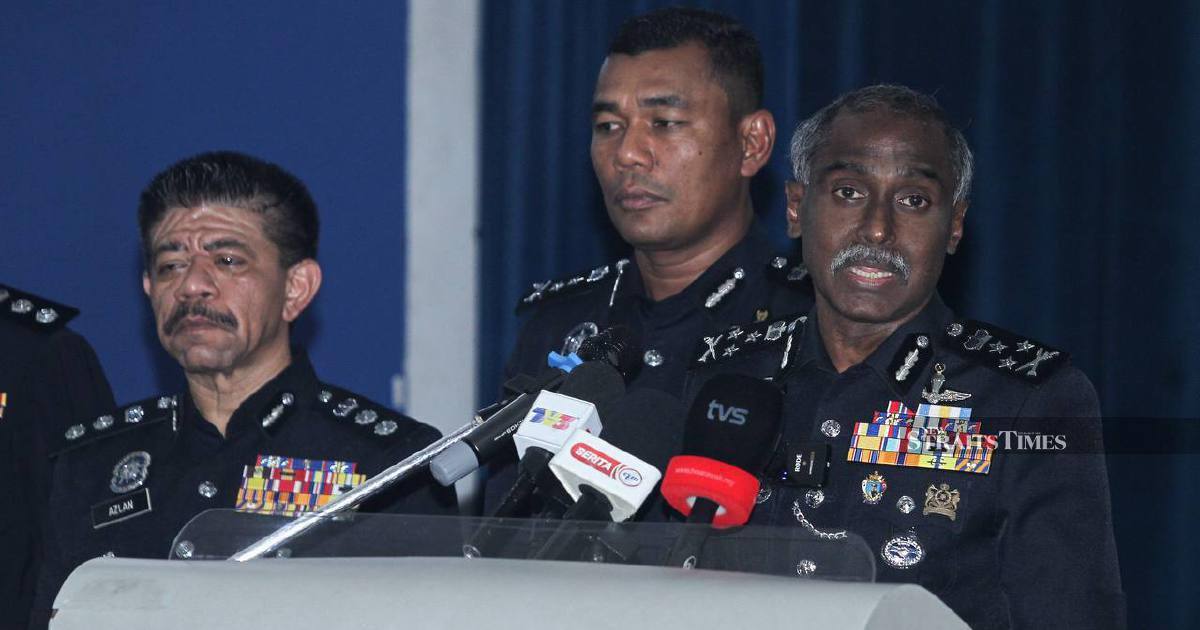
Police have secured a six-day remand order for the individual taken into custody following an attempted hold-up of a cash-in-transit van outside a financial institution in Bukit Tinggi, Klang, earlier this week. The development marks a critical phase in law enforcement's investigation into the incident, which has heightened public concern about the security of armoured transport operations in the greater Kuala Lumpur area.
The arrest came swiftly after the failed robbery attempt, signalling a responsive security and police operation in Selangor. Initial intelligence gathering and witness statements appear to have provided investigators with enough leads to move quickly to apprehend a suspect, though details of the alleged getaway or confrontation remain unclear from official statements. The remand duration of six days is typically employed by Malaysian courts when authorities require substantial time to conduct interviews, gather additional evidence, and pursue investigative avenues that may involve other parties or locations.
Cash-in-transit heists represent a persistent challenge for law enforcement across Malaysia and the wider Southeast Asian region. These operations, while often thwarted, attract criminal networks because of the tangible nature of the target and the relatively high-value payloads involved. The Klang incident, though unsuccessful, underscores vulnerabilities that security firms and police must continuously address through improved protocols, vehicle routing, and personnel training.
The location of the attempted robbery—outside a bank in the Bukit Tinggi commercial zone—suggests the perpetrator or perpetrators possessed some operational knowledge of banking routines, cash collection schedules, or security van movements. Such intelligence gathering is a hallmark of more organised criminal attempts, distinguishing them from opportunistic crimes. Investigators will likely focus on determining how the suspect obtained such information and whether additional individuals were involved in planning or executing the scheme.
For Malaysian businesses relying on armoured transport services, this incident serves as a reminder of the importance of reviewing their own security protocols. Financial institutions, retailers, and other cash-dependent enterprises across the country maintain regular relationships with security providers, and any perceived vulnerability in these supply chains can create operational anxiety. The swift police response should, however, provide some reassurance that law enforcement remains vigilant and capable of rapid deployment.
The six-day remand period provides investigators with a structured timeline to build their case. During this window, police will likely conduct multiple interview sessions, cross-reference witness testimony, analyse CCTV footage from the bank and surrounding areas, and pursue any leads suggesting accomplices or preliminary planning discussions. The quality of evidence gathered during remand often determines the strength of subsequent charges and the trajectory of prosecution.
From a broader security perspective, the Klang incident reflects ongoing tensions in Malaysia's urban commercial landscape. High-density areas like Klang, which serve as crucial logistics and financial hubs for Selangor's economy, face elevated risk from organised crime syndicates. The attempted robbery—notwithstanding its failure—demonstrates that criminal intent remains focused on these zones, requiring sustained investment in CCTV infrastructure, police patrols, and inter-agency coordination.
The remand decision also reflects the judiciary's confidence in the investigating officers' preliminary findings. Malaysian courts do not lightly grant extended remand orders without reasonable grounds, suggesting the police have presented sufficient circumstantial or direct evidence linking the suspect to the attempted robbery. The court's approval implies that investigators have articulated a credible theory of the crime and identified investigative steps that justify continued detention.
International security analysts observe that Southeast Asia's cash van robberies often involve surveillance phases lasting weeks or months. The rapid arrest in the Klang case may indicate either reactive intelligence—perhaps a tipoff from community sources or informants—or the suspect's apprehension at or near the crime scene. Either scenario suggests the police response machinery functioned effectively in real time, a factor that may deter future attempts in the region.
As the investigation deepens, attention will focus on the suspect's background, criminal history if any, financial circumstances, and social connections. Whether this individual acted independently or as part of a larger conspiracy remains a critical unknown. The remand period is designed precisely to surface such connections through sustained, lawful interrogation and corroborative fieldwork.
The attempted robbery also raises questions about the training and preparedness of cash van crews. Were security personnel present during the incident? Did the perpetrator flee before confronting armed guards? The answers will inform recommendations for operational adjustments across Malaysia's cash transport industry. Insurance companies underwriting these services will likewise monitor the outcome closely, as successful robberies or near-misses can alter premium calculations and coverage terms.
Looking ahead, the case exemplifies the cat-and-mouse dynamic between criminal enterprise and state security apparatus. While this particular heist failed, the underlying motivation—extracting cash from a moving target—remains attractive to organised groups. Sustained police attention, prosecutorial rigour, and community vigilance remain essential to deterring and dismantling such networks across Selangor and beyond.

