A Swedish court has dealt a significant blow to a Hong Kong couple's efforts to reclaim custody of their four-year-old daughter, dismissing their legal challenge against the nation's social welfare system's decision to appoint foster parents as her legal guardians. The June 10 ruling represents another setback in a protracted custody dispute that has unfolded across multiple countries and raises complex questions about child protection standards and parental rights in cross-border family cases.
The Swedish Social Welfare Committee determined in early June that the child, identified as Lily, required protection from what officials described as a "rootless and insecure existence" under her parents' care. In a formal report, the committee justified its recommendation to formally transfer guardianship to the foster family with whom Lily has resided since May 2024. The decision emphasised that the girl deserved to grow up in an environment characterised by stability, routine, predictability and emotional security—conditions the committee concluded her biological parents had failed to provide.
Central to the welfare committee's assessment was its evaluation of parental responsiveness and insight. Officials noted that throughout the custody proceedings, the parents demonstrated neither receptivity nor understanding of their daughter's fundamental needs and best interests. This characterisation directly informed the committee's recommendation to maintain the current care arrangement and pursue formal legal guardianship transfer, a process that would effectively strip the biological parents of custody rights.
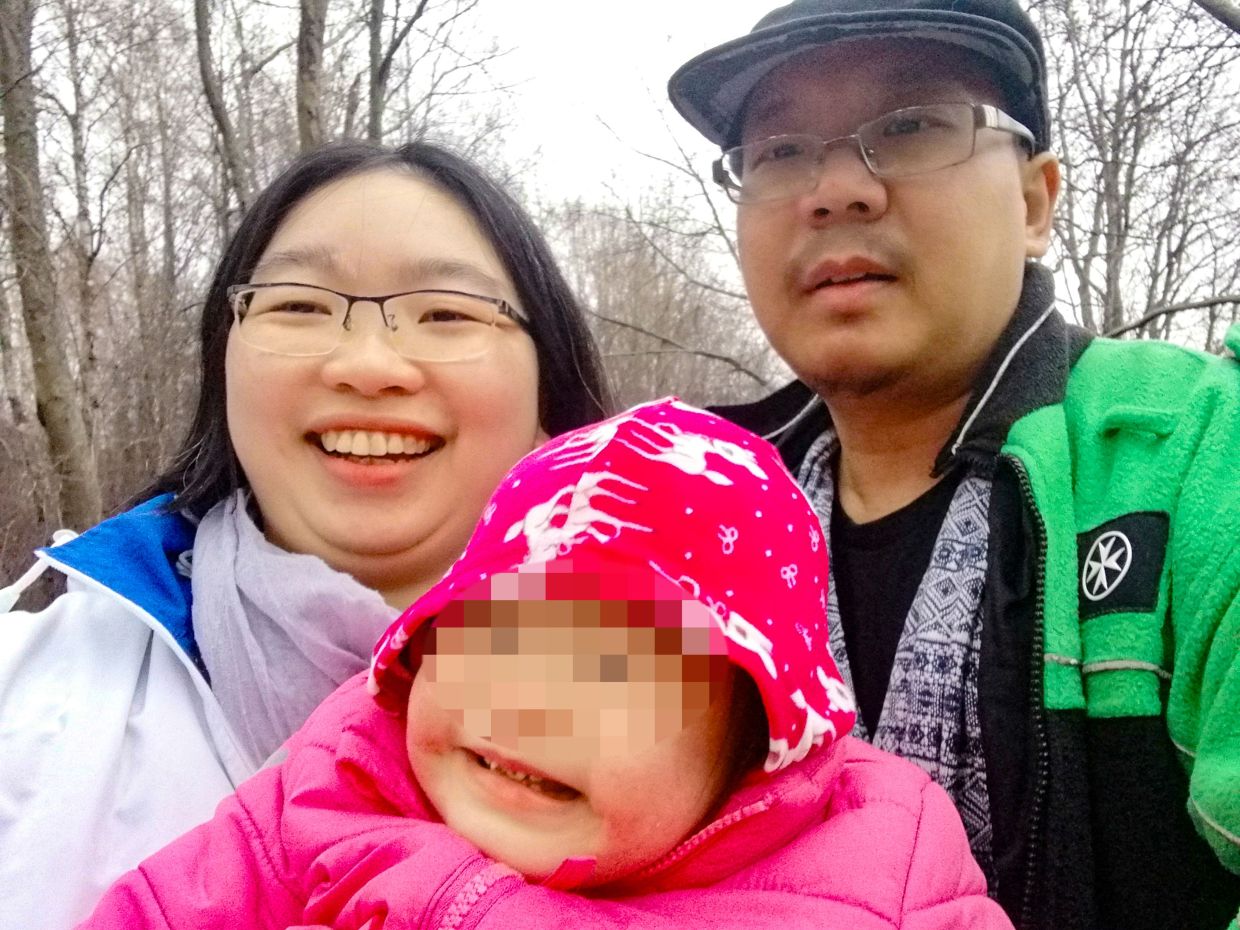
The couple, Hong Kong residents Tsang and Kwan, have pursued multiple unsuccessful legal avenues to recover custody of their daughter in recent years. Frustrated by the repeated rejections, they established a social media campaign titled "Save Lily," uploading family photographs and official documents in an attempt to mobilise public support for her return. However, their most recent judicial effort proved unsuccessful when the Swedish court rejected their appeal on the grounds that social welfare determinations are not subject to judicial challenge, leaving the parents with no recourse until formal authorities issue their final decision.
Tsang expressed profound disappointment with the court's refusal to hear their challenge, telling media that he was dismayed the Swedish system would not even grant them the opportunity to contest what he characterised as irrational proceedings. This frustration reflects a broader difficulty that cross-border family cases present: parents navigating unfamiliar legal systems with different standards of child protection and parental rights, often at significant disadvantage.
The family's complications extend well beyond Sweden's borders and predate Lily's removal from her parents' care. Lily was born at home in Finland in October 2021, making her the couple's second child. Their eldest daughter, also born at home, died at one month old in 2019. Finnish authorities subsequently declined to register Lily's birth because her parents listed a Hong Kong permanent address rather than a Finnish one. Compounding these administrative obstacles, Finnish authorities launched an investigation into the couple for alleged negligence contributing to the death of their first daughter, further complicating their legal standing.
The family's subsequent relocation to Sweden in search of a fresh start ultimately proved problematic. Swedish police arrested the couple on suspicion of money laundering, and Lily was placed under social welfare authority supervision in December 2023. Although prosecutors eventually dropped the money laundering charges, the custody dispute over Lily persisted and intensified, as social welfare officials continued to assess the family's living conditions and parental capabilities.
The couple's situation became even more complicated following their return to Hong Kong, where they had another home birth. This time, they welcomed a baby boy named Danny earlier this year. However, they encountered immediate registration obstacles when they refused to submit a DNA test to establish the biological relationship between themselves and the infant, a standard requirement for birth registration in Hong Kong. Consequently, the government's Social Welfare Department assumed care of Danny, now approximately three months old, pending further assessment.
The disposition of Danny's case now depends on two interconnected factors: ongoing evaluation by social workers of the parents' demonstrated parenting capabilities, and the outcome of court proceedings expected to conclude late this month. Unlike Lily's situation, which unfolded in a foreign jurisdiction, Danny's custody determination will be decided within Hong Kong's legal framework, potentially offering the parents a more familiar avenue for demonstrating their fitness as caregivers. Recent developments suggest the authorities are cautiously monitoring the situation—Tsang reported that he and Kwan, under government social worker supervision, brought Danny to a Department of Health maternal and child health centre for medical examination, which revealed no health irregularities.
For Malaysian observers, this case illustrates the profound challenges that arise when families operate outside conventional legal frameworks, particularly regarding birth registration and documentation. The couple's preference for home births without formal registration has created cascading legal complications across three jurisdictions. Their experience underscores how child protection systems in developed nations prioritise documented stability and administrative compliance, potentially disadvantaging parents unfamiliar with or resistant to such bureaucratic requirements.
The case also highlights tensions between cultural preferences regarding childbirth and parental autonomy, and the state's protective mandate over child welfare. While Swedish authorities emphasised the child's need for predictability and security, the parents' resistance to DNA testing and formal registration suggests deeper philosophical disagreements about state authority over family matters. These tensions will likely influence outcomes for both Lily and Danny, with Malaysia's own child protection framework sitting somewhere between the approaches evident in these jurisdictions.