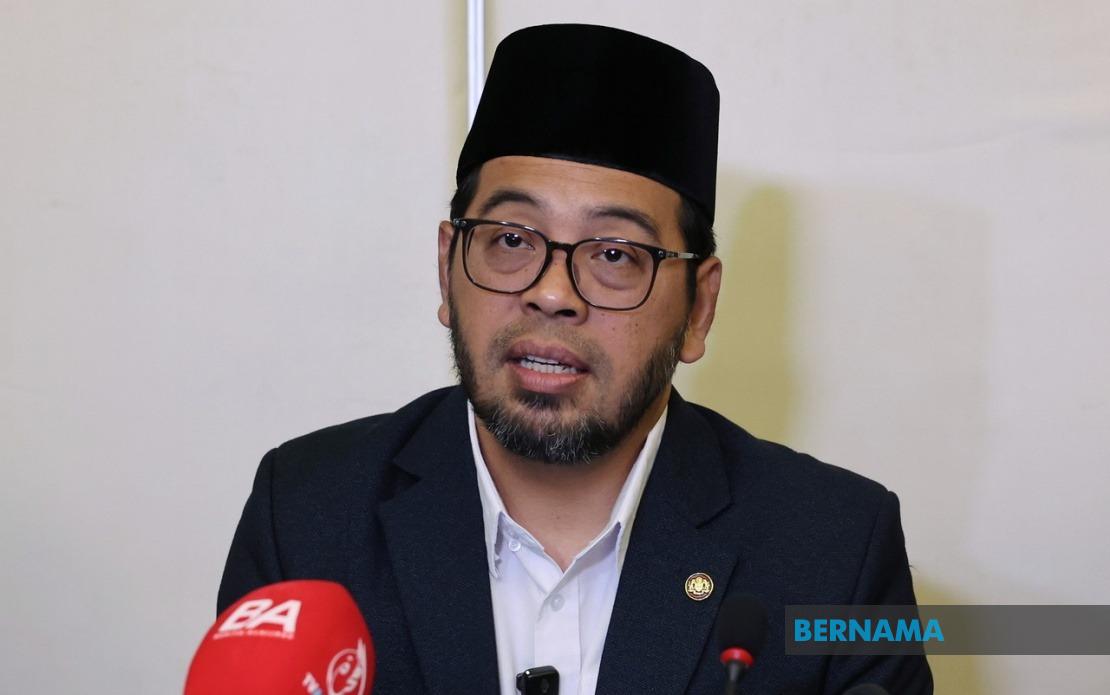
Tabung Haji has emerged from a significant institutional recovery process in a substantially strengthened position, according to Minister in the Prime Minister's Department (Religious Affairs) Dr Zulkifli Hasan. Speaking during a special parliamentary sitting to discuss the Royal Commission of Inquiry (RCI) Report on Tabung Haji, Zulkifli outlined how the government's decision to allow the organisation breathing room has yielded tangible results in stabilising the nation's primary hajj savings institution.
When the MADANI Government assumed office in late 2022, Tabung Haji faced considerable structural challenges inherited from previous years. The institution was grappling with legacy assets that had accumulated between 2018 and the government transition, many of which lacked competitiveness and presented management difficulties. Rather than imposing immediate remedial measures, the administration opted to permit the institution's leadership space to undertake comprehensive restoration efforts. This measured approach has now yielded demonstrable improvements that the government believes warrant public disclosure and parliamentary scrutiny.
The recovery process has been validated through international recognition. Tabung Haji has secured five World's Best Haj Management Awards across four consecutive years, signalling that effective stewardship characterised by capability, competence, integrity and trustworthiness can restore institutional credibility. This external validation carries particular weight for an organisation entrusted with the aspirations and savings of millions of Malaysian Muslims preparing for pilgrimage.
The government's approach fundamentally shifted on July 29 when the Cabinet unanimously resolved to release the RCI report publicly and facilitate its debate through a special parliament sitting. This decision triggered immediate enforcement action, with the Malaysian Anti-Corruption Commission and police launching investigations into allegations detailed in the 211-page report and detaining several individuals linked to alleged misappropriation. The RCI, chaired by former Chief Justice Tun Mohamed Raus Sharif and comprising experts in public administration, banking, finance, syariah law and accounting, had examined Tabung Haji's management and operations between 2014 and 2020.
Zulkifli emphasised that this enforcement response reflects unwavering government and institutional commitment to holding accountable anyone implicated in abuse of power or criminal breach of trust involving pilgrims' funds. The actions align with a directive from His Majesty Sultan Ibrahim, King of Malaysia, mandating that investigations proceed comprehensively, transparently and without compromise, examining every dimension of the inquiry's findings.
The minister articulated the profound significance of trust embedded within Tabung Haji's operations. Depositors represent diverse sections of Malaysian society: parents gradually accumulating savings for their children's futures, educators, small business operators, pensioners, agricultural workers, fishermen, rubber estate workers and taxi drivers. These individuals do not participate in Tabung Haji seeking investment returns; rather, they save specifically to fulfil the Islamic pillar of hajj. This distinction underscores why institutional failures demand transparency rather than concealment.
Zulkifli stressed that the government cannot obscure breaches of trust through reliance on financial metrics alone, nor can it permit political narratives to subordinate the legitimate interests of depositors and the broader Muslim community. The stakes extend beyond financial recovery to encompassing the restoration of confidence in an institution representing a fundamental religious obligation and personal aspiration for millions of Malaysians.
Future decisions regarding Tabung Haji must be anchored to principles of trust and depositor confidence, Zulkifli indicated. Simultaneously, any allegations concerning breach of trust require rigorous investigation to establish factual clarity, identify systemic weaknesses and implement safeguards preventing recurrence. This investigative imperative constituted the foundational rationale for establishing the RCI itself.
The RCI report contained 25 recommendations addressing identified deficiencies. As of July 30, approximately 75 per cent had been implemented, with remaining recommendations undergoing active implementation. These recommendations span governance, operational procedures, asset management and internal controls, positioning Tabung Haji to address the institutional vulnerabilities that accumulated during the 2014-2020 period.
For Malaysian depositors and the broader Muslim community, the government's handling of the Tabung Haji crisis carries broader implications. The decision to pursue full transparency regarding the RCI findings, support enforcement investigations and accelerate implementation of corrective measures signals that fiduciary institutions managing sacred funds and community aspirations face heightened accountability standards. The international recognition Tabung Haji has achieved in hajj management demonstrates that recovery is achievable when leadership combines competence with integrity.
The recovery narrative emerging from the special parliamentary sitting reflects confidence that institutional restoration can proceed alongside accountability mechanisms. This dual approach attempts to balance restoring depositor confidence through demonstrable improvements while ensuring that those responsible for previous failures face legal consequences. The success of both dimensions remains critical for rebuilding trust in an organisation serving one of the most spiritually significant financial relationships in Malaysian Muslim life.

