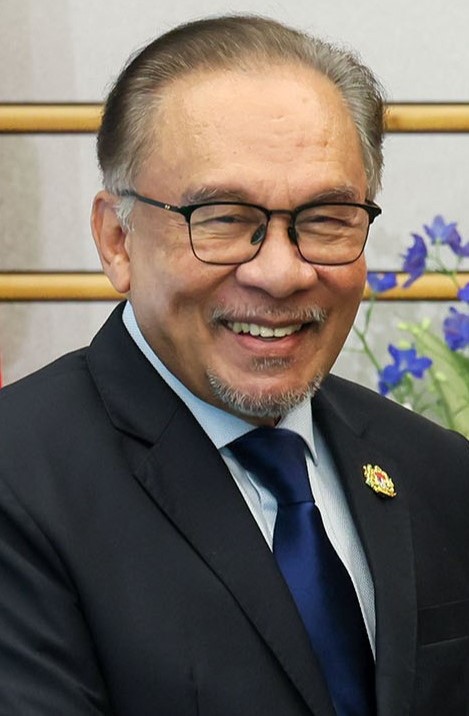
Malaysia's psychiatric community is mourning the loss of Tan Sri Dr M. Mahadevan, a towering figure whose six-decade commitment to mental health services fundamentally reshaped the nation's approach to psychological care. The respected physician died on June 16 at his home in Ukay Heights, Ampang, surrounded by family members following complications related to heart failure and respiratory infection. He was 96.
Dr Mahadevan's health had been declining over an extended period, with his condition necessitating recent inpatient management at a private medical facility in Ampang. After spending the past month receiving treatment and experiencing further deterioration including admission to intensive care, he made the difficult decision to return home to spend his final days with loved ones. His passing represents the end of an era for Malaysian psychiatry, closing a remarkable chapter that began decades before the nation's independence and extended well into the modern era of mental healthcare delivery.
Born on September 9, 1929, Dr Mahadevan's professional journey took him across continents, beginning with his early schooling at St John's Institution in Kuala Lumpur before pursuing medical training in Bangalore, India, where he completed his studies in 1961. His educational trajectory continued at University College Dublin in Ireland, where he gained specialized training that would inform his later contributions to the field. These international experiences exposed him to varied psychiatric methodologies and therapeutic approaches, knowledge he would eventually bring back to apply within the Malaysian context.
The turning point in his career came in 1967 when the nation's founding Prime Minister, Tunku Abdul Rahman Putra Al-Haj, personally requested his return to Malaysia to establish and develop a comprehensive mental healthcare infrastructure. At that time, the country lacked coordinated psychiatric services and faced significant gaps in professional capacity and institutional frameworks. Responding to this national need, Dr Mahadevan became the first director of the Central Mental Hospital, an institution that would later be renamed Hospital Bahagia Ulu Kinta and remain a cornerstone of Malaysia's psychiatric care system for decades.
Beyond his directorial role, Dr Mahadevan founded and presided over the Malaysian Psychiatric Association, an organization that would become instrumental in professionalizing the discipline, setting clinical standards, and fostering collegial advancement among practitioners throughout the country. During the 1980s, his expertise and standing led to his appointment as the government's chief psychiatrist, a position from which he continued to advocate for systematic improvements and evidence-based approaches to mental health policy. His dual responsibilities—managing flagship institutions while simultaneously shaping national policy—gave him unique influence over how psychiatric services evolved across both public and private sectors.
International recognition of his scholarly contributions came through his pioneering work in hypnotherapy and psychosomatic medicine. Harvard University's decision to establish a travel scholarship programme bearing his name stands as testament to the global resonance of his research and clinical innovations. Furthermore, Dr Mahadevan achieved a singular distinction as the first Malaysian to serve as president of the Asian Branch of the International College of Psychosomatic Medicine, affirming his leadership not merely within national boundaries but across the broader Asian psychiatric community. These accolades reflected a career devoted to rigorous clinical practice, continuous learning, and the export of Malaysian expertise to the international stage.
The loss of Dr Mahadevan arrives at a moment when Malaysia faces evolving mental health challenges. The nation's psychiatric infrastructure—built significantly through his foundational work—now serves a population grappling with rising anxiety, depression, workplace stress, and substance-related disorders. His legacy extends beyond the institutions and associations he created; it encompasses the professional culture of inquiry, compassion, and systematic advancement that he embedded within Malaysia's mental health workforce. Many contemporary psychiatrists trained under his influence or studied within systems he helped architect, making his intellectual and clinical footprint pervasive throughout the profession.
For Malaysia's healthcare landscape, Dr Mahadevan's passing signals a moment for reflection on the trajectory of psychiatric care over the past half-century. Under his stewardship, mental health services progressed from fragmented, largely custodial arrangements to a more professionalized, therapeutically oriented system. His emphasis on training, credentialing, and research standards helped elevate psychiatry from a marginal specialty to an essential component of the broader medical enterprise. Contemporaneously, his advocacy for mental health awareness contributed to gradually diminishing stigma, though significant social barriers to care remain across Malaysian society.
The funeral arrangements reflect the esteem in which Dr Mahadevan was held. Public visitation has been scheduled at his residence at 32 Lorong Lee Hin Neo 1, Ukay Heights, across two days, allowing colleagues, former patients, and members of the broader psychiatric and medical communities to pay respects. The formal funeral service, scheduled for June 18, will conclude with cremation at the Sentul Hindu Crematorium, permitting diverse members of the extended professional and personal networks to participate in commemorating his life and contributions.
Dr Mahadevan's death marks the conclusion of Malaysia's most formative chapter in psychiatric development. While his institutional innovations and professional associations will persist, the loss of his personal guidance and historical perspective removes an irreplaceable witness to the nation's journey toward mental health maturity. Future generations of Malaysian psychiatrists will inherit systems, standards, and professional traditions substantially shaped by his vision and determination, ensuring that his influence on the country's approach to mental wellness extends indefinitely into the future.