A 32-year-old woman employed as a nurse at a private medical facility in Telangana's Nizamabad district has been taken into police custody following allegations that she fatally poisoned her husband using a deliberate injection of toxic cleaning fluid. The shocking case emerged after the victim's family raised concerns about the circumstances surrounding his death, prompting authorities to launch a detailed investigation that ultimately uncovered a chilling conspiracy involving multiple individuals.
The accused, identified as Sandhya, stands accused of administering a lethal mixture comprising toilet cleaning liquid and crushed sedative tablets through an intravenous cannula to her 35-year-old husband, Dayini Prashanth, on June 30. According to statements provided by investigating officers, the lethal injection represented a second attempt on her husband's life following the failure of an earlier, more violent scheme to eliminate him. This escalation from physical violence to medical murder underscores the calculated nature of the alleged crime and the suspect's willingness to exploit her professional medical knowledge to commit a perfect-seeming crime.
Police investigations revealed that Sandhya sought to remove her husband as an obstacle to maintaining an extramarital relationship with a man named Anil, who is also 35 years old. The alleged conspiracy reportedly included Anil's associate, Venkat Sai, commonly known as Bunty. The motive appears rooted in Prashanth's decision to remain permanently in India after returning from employment in the Gulf region, where he had spent the previous two years. His commitment to staying domestically clashed with Sandhya's desire to continue her illicit relationship without domestic constraints or scrutiny.
The investigation illuminated a disturbing sequence of events beginning on June 29, when Sai allegedly visited the family residence and deliberately intoxicated Prashanth with excessive quantities of alcohol. Subsequently, acting on telephonic instructions from Sandhya, Sai escorted the inebriated man to the building's terrace and forcefully pushed him, resulting in serious injuries from the fall. Rather than facing immediate consequences for this violent assault, Sandhya executed a calculated deception, convincing her injured husband that his injuries stemmed from an accidental fall caused by his intoxication. She then orchestrated his admission to a government medical facility, managing both his treatment trajectory and subsequent transfer to a private hospital.
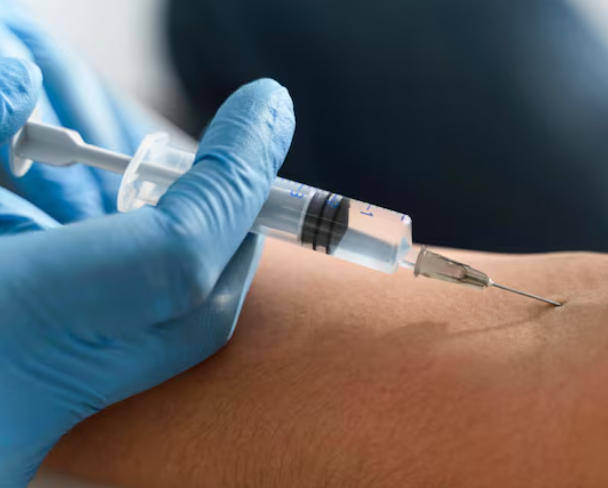
What transforms this case from a tragic domestic incident into a premeditated murder is Sandhya's deliberate exploitation of her nursing credentials to finalise her murderous plan. After securing Prashanth's discharge from hospital care, she proposed administering intravenous fluids at home under the guise of continued medical support during his recovery. Leveraging her professional medical knowledge and access to medical equipment, she prepared a catastrophic injection combining toilet cleaning chemicals with ground sedative tablets, which she then administered through the cannula directly into her husband's bloodstream. The toxic combination precipitated his death, which she then compounded by pushing him from a cot, potentially attempting to create the impression that his demise resulted from complications related to his earlier fall injuries.
Initially, Sandhya attempted to characterise her husband's death as a natural consequence of health deterioration stemming from his previous trauma. However, her deception unravelled when Prashanth's mother, who maintained a separate residence, grew suspicious of the circumstances and filed a formal complaint with authorities. The mother's intervention proved crucial in triggering the police investigation that ultimately exposed the conspiracy and its full horrifying scope. This case exemplifies how family members, particularly those maintaining independent living arrangements, can serve as vital safeguards against domestic crimes that might otherwise be concealed or misattributed to natural causes.
The case carries significant implications for healthcare regulation and oversight in India, particularly regarding the access medical professionals retain to pharmaceutical substances and equipment outside formal clinical settings. Sandhya's ability to use her nursing training to administer lethal injections highlights potential vulnerabilities in how credentials are managed and how professional medical knowledge can be weaponised in domestic contexts. The incident suggests that authorities should examine protocols governing the discharge of patients requiring continued care, the provision of medical equipment for home use, and mechanisms for verifying the appropriateness of informal medical care arrangements.
From a Southeast Asian perspective, this case resonates with broader patterns of domestic violence and femicide occurring across the region, though the perpetrator in this instance is female, subverting typical gender dynamics in such crimes. The utilisation of medical knowledge and resources as murder tools represents a distinctive escalation beyond conventional domestic violence, suggesting that the intersection of healthcare access and domestic conflict warrants closer policy attention. Malaysia and other regional nations might benefit from examining whether similar vulnerabilities exist in their healthcare systems regarding how trained medical professionals access potentially lethal substances outside formal institutional oversight.
The involvement of additional conspirators beyond the primary suspect underscores how extended criminal networks can facilitate domestic murders, with accomplices playing essential roles in executing different phases of the crime. Anil and Sai's participation in both the initial violent assault and the subsequent cover-up demonstrates the utility of multiple perpetrators in maintaining secrecy and distributing culpability. The case may have implications for how regional legal systems approach accessory liability and whether accomplices in domestic murder conspiracies receive proportionate legal consequences corresponding to their participation levels.

