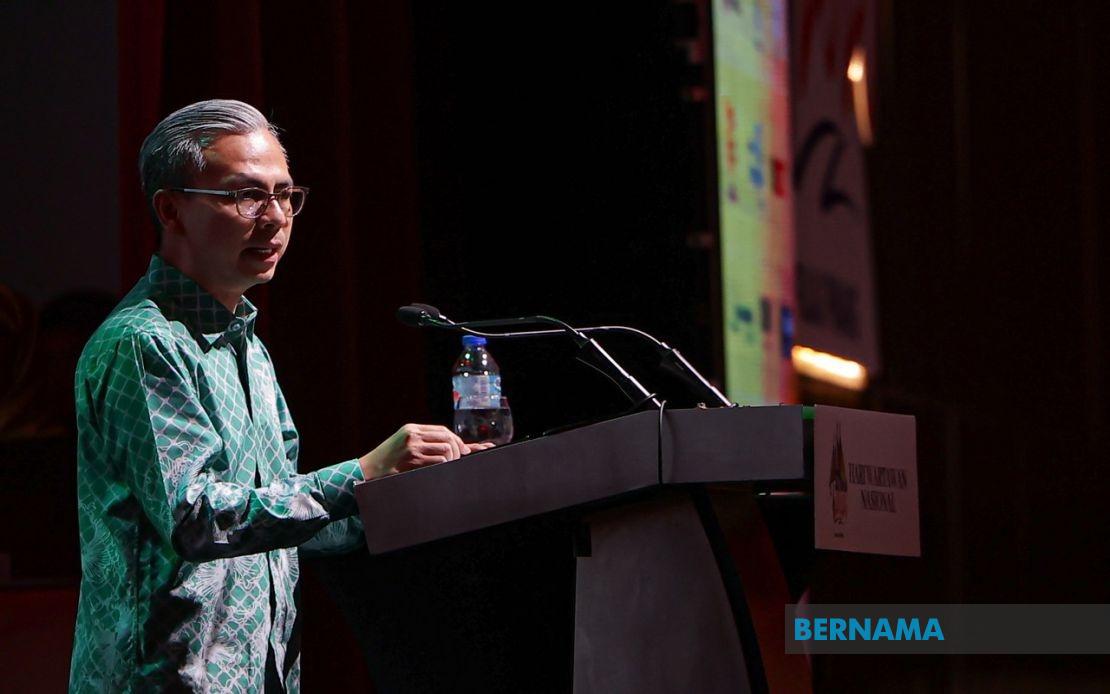
Telekom Malaysia has stepped forward as the latest strategic partner of Tabung Kasih@HAWANA, pledging RM500,000 to bolster financial assistance for media workers across the country. The announcement was made by Communications Minister Datuk Fahmi Fadzil during the National Journalists' Day 2026 Grand Finale in Butterworth, an event themed around media integrity and credibility. Prime Minister Datuk Seri Anwar Ibrahim officiated the ceremony, underscoring the government's commitment to supporting the press sector during a period of significant economic strain.
The Tabung Kasih@HAWANA initiative, established in April 2023, represents a targeted intervention to address financial hardships experienced by journalism professionals. Since its inception, the fund has distributed RM2.26 million in assistance to 773 media practitioners nationwide, demonstrating substantial demand for such support mechanisms. Telekom Malaysia's contribution through its corporate social responsibility programme comes as the media industry grapples with unprecedented revenue pressures, making such partnerships increasingly vital for the sector's sustainability.
Fahmi's remarks highlighted a critical challenge facing Malaysia's media landscape: the dramatic contraction in advertising expenditure. Annual advertising spending has plummeted from RM4.5 billion to approximately RM2 billion in recent years, reflecting both structural shifts in media consumption and the broader economic uncertainties affecting corporate marketing budgets. This revenue collapse has created cascading pressure on news organisations, threatening editorial independence, staff stability, and the quality of journalism that citizens depend upon for information.
Recognising this crisis, the Communications Minister issued a direct appeal to government-linked companies and private enterprises to recalibrate their media strategies. Rather than simply cutting advertising budgets, Fahmi encouraged businesses to view media purchases as strategic investments in information infrastructure that strengthens public discourse. This framing attempts to reposition corporate media spending from a discretionary marketing expense to a foundational element of responsible business citizenship, particularly for GLCs that serve public mandates.
Beyond immediate financial relief, Fahmi announced ministry support for Project Sigma 2.0, a collaborative initiative involving Google Malaysia, the Malaysian Media Council, and the Malaysian Press Institute. This programme seeks to equip media personnel with contemporary skills in digital technology and artificial intelligence, addressing a significant capability gap as newsrooms worldwide navigate technological disruption. Investment in professional development signals recognition that media sustainability depends not merely on financial transfers but on institutional capacity-building and workforce modernisation.
Telekom Malaysia's partnership with Tabung Kasih@HAWANA also reflects broader recognition within the corporate sector that a healthy independent media serves business interests. Reliable journalism, ethical reporting, and professional standards create the informational environment necessary for market confidence, consumer trust, and regulatory clarity. Companies that depend on transparent business environments have inherent interests in supporting the institutional ecosystems that enable transparency.
The announcement comes alongside Malaysia's diplomatic deepening of regional media ties. Bernama, Malaysia's national news agency, signed a Memorandum of Understanding with TATOLI, Timor-Leste's national news agency, formalising cooperation frameworks and information exchange protocols. This bilateral arrangement reflects Fahmi's broader vision of strengthened ASEAN media collaboration, particularly significant following Timor-Leste's accession as the regional bloc's eleventh member during last year's Kuala Lumpur summit.
The Timor-Leste partnership carries strategic implications for Malaysia's regional positioning. As ASEAN navigates complex geopolitical currents and faces mounting disinformation challenges, coordinated media cooperation enhances capacity to verify information, share journalistic standards, and collectively defend against malicious information operations. Malaysia's proactive engagement with Timor-Leste's media institutions signals commitment to inclusive ASEAN development and recognition that smaller, newer member states require institutional support in strengthening press infrastructure.
Fahmi framed these developments within a broader narrative of ASEAN unity and inclusive prosperity. Timor-Leste's accession represents the bloc's expansion capacity and commitment to regional inclusivity, values that Malaysia explicitly champions. Supporting media development across the region aligns with Malaysia's positioning as a developed nation willing to share expertise and resources with emerging ASEAN members, enhancing Malaysia's soft power and regional diplomatic influence.
For Malaysian media organisations, these initiatives offer mixed signals. The government's explicit commitment to supporting journalism through welfare programmes, technology training, and international collaboration demonstrates recognition of media's institutional value. However, the underlying revenue crisis remains structural and challenging. Corporate charitable contributions, while meaningful, cannot fully replace the advertising revenue that historically funded newsroom operations. Sustainable media recovery requires deeper interventions, potentially including regulatory reforms, digital transformation support, and fundamental rethinking of business models in an era of declining traditional advertising.
The Telekom Malaysia commitment also establishes an implicit corporate benchmark. As Malaysia's largest telecommunications provider and a major GLC, TM's RM500,000 contribution signals expectations that similarly positioned companies should contribute proportionally. This peer pressure mechanism, if effective, could catalyse broader corporate engagement with media welfare and sustainability initiatives across sectors from banking to energy to manufacturing.
Looking forward, the sustainability of these efforts depends on institutionalising corporate support beyond episodic announcements. Fahmi's call for systematic corporate commitment through advertising purchases, sponsorships, and development initiatives suggests the government views media sustainability as a collective responsibility requiring sustained engagement from multiple stakeholders. Whether Malaysian corporations respond at scale remains uncertain, but the articulation of this expectation by senior government leadership marks a notable shift toward more explicit government advocacy for media sector interests.

