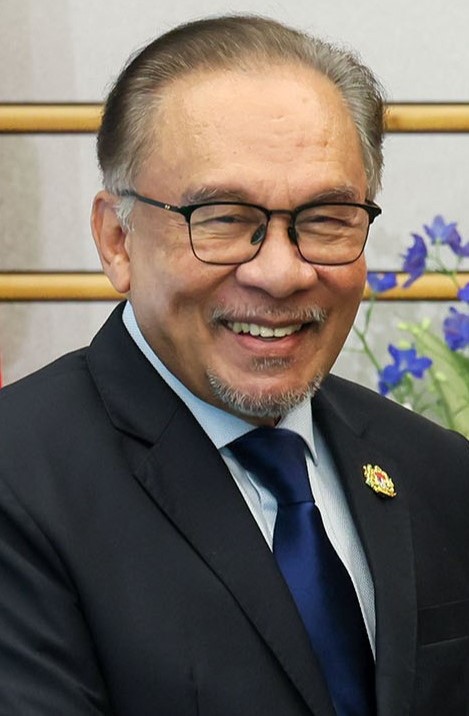
Tengku Datuk Seri Zafrul Tengku Abdul Aziz, who serves as senior political adviser to Malaysia's Prime Minister, has signalled his political aspirations by proposing that he be nominated as a candidate in Selangor for the upcoming 16th General Election. The move represents a significant step for the high-ranking government official, whose advisory role has kept him in the inner circles of power while maintaining a relatively low public profile in electoral politics.
The proposal underscores a broader pattern of political positioning taking place within the ruling coalition as parties prepare their strategies for the next general election. Malaysia's electoral calendar remains fluid, with speculation continuing about the timing of GE16, though analysts suggest it could occur within the next two years depending on political developments and government decisions. Tengku Zafrul's interest in contesting represents the kind of behind-the-scenes jockeying typical of pre-election periods, when senior figures assess available opportunities and gauge party leadership's receptiveness to their candidacies.
Selangor, as Malaysia's most populous state and the economic heartland surrounding Kuala Lumpur, holds particular strategic importance in any general election. The state has historically been a battleground between competing coalitions, and its parliamentary seats remain highly sought after by ambitious politicians across party lines. Control of Selangor's 12 federal constituencies could significantly influence overall election outcomes, making nominations in the state particularly competitive and valuable to those seeking to advance their political careers.
Tengku Zafrul's advisory position places him in a unique vantage point within government circles, suggesting access to high-level decision-making and rapport with senior leadership. However, moving from advisory roles into electoral politics requires different skill sets and carries distinct risks. Electoral contests demand grassroots engagement, constituency-building, and direct accountability to voters—responsibilities quite different from providing counsel at the highest levels of government. His track record in advisory capacity does not automatically translate to electoral success, as many high-ranking officials have discovered when entering contested races.
The timing of Tengku Zafrul's proposal reflects broader preparations underway within the government as key figures consider whether to contest GE16 and, if so, which seats might offer viable opportunities. Senior advisers and coalition members have traditionally used general elections as moments to transition into more formal elected positions, cementing power bases and establishing direct voter mandates. For Tengku Zafrul, such a transition could represent a logical career progression, though it also carries the inherent risks of electoral defeat and the loss of his current influence within executive circles.
Selangor's competitiveness extends beyond simple party dynamics. Demographic shifts, development pressures, and evolving voter concerns in suburban and semi-urban constituencies create complex electoral arithmetic. Candidates must understand local issues ranging from public transportation and housing affordability to environmental concerns and service delivery. A candidate's credibility on such matters often determines electoral viability more than national profile alone. Tengku Zafrul would need to establish genuine connections with his chosen constituency if his proposal advances to actual nomination.
The proposal's reception within the ruling coalition and relevant party structures will prove crucial in determining whether Tengku Zafrul ultimately receives nomination. Party leadership must balance rewarding loyal advisers and senior officials with the practical necessity of fielding candidates likely to win their seats. Electoral calculations—including incumbent strengths, opposition candidate quality, and constituency demographic trends—typically inform such decisions more heavily than seniority or advisory status. The party machinery will scrutinise whether nominating Tengku Zafrul in his preferred Selangor seat serves strategic coalition interests.
Regional implications of Selangor's political composition extend beyond state boundaries. The state's economy and development trajectory influence broader Southeast Asian supply chains and investment patterns. Political stability and effective governance in Selangor therefore matter to Malaysia's international standing and economic competitiveness. Consequently, the calibre of candidates contesting Selangor seats attracts attention from business communities and international observers concerned with Malaysia's institutional performance and policy continuity.
Tengku Zafrul's move also reflects generational dynamics within Malaysia's political establishment. As younger or mid-career officials move into electoral politics, older guard figures either transition into new roles or gradually fade from influence. The next general election will likely see significant reshuffling within parliament, with the emergence of new faces and changing factional alignments determining policy directions and resource allocation across constituencies and sectors.
For Malaysian voters in Selangor and beyond, Tengku Zafrul's candidacy proposal—if it materialises into actual nomination—would represent another option in what will likely prove a fiercely contested election. His advisory background, government connections, and policy experience could constitute assets, while his relative absence from electoral politics might create vulnerabilities. The coming months will reveal whether party leadership deems his proposal strategically valuable and whether voters ultimately find him a compelling representative of their interests.