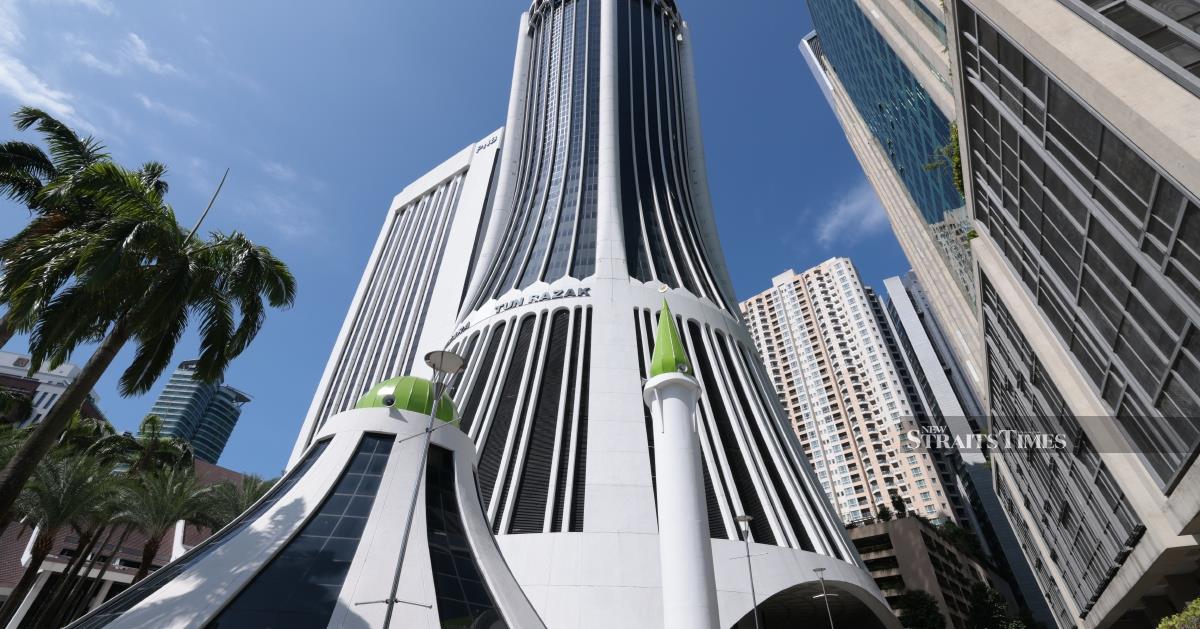
Prime Minister Anwar Ibrahim has made clear that the scope of investigations into Lembaga Tabung Haji extends far beyond the parameters established by the Royal Commission of Inquiry, potentially encompassing events and developments that have emerged as recently as 2025. This significant clarification suggests a more expansive approach to addressing the beleaguered pilgrimage fund's longstanding governance challenges and financial irregularities that have troubled Malaysian Muslims for years.
The Lembaga Tabung Haji, the government-linked institution responsible for managing savings and investments for Malaysian pilgrims undertaking the hajj to Mecca, has faced mounting scrutiny over its operational practices and financial health. The RCI was established with a specific mandate to examine particular issues within a defined timeframe, but the Prime Minister's statement signals that accountability mechanisms need not be constrained by those original boundaries. This approach reflects growing recognition that institutional problems often develop incrementally and may require investigation across longer periods to establish comprehensive patterns of mismanagement or wrongdoing.
Anwar's position on expanding investigative scope addresses a critical concern among stakeholders who believe that confining examinations to the RCI's designated period risks overlooking crucial developments that could illuminate systematic issues. By permitting investigations to encompass events through 2025, authorities gain the flexibility to examine more recent transactions, policy decisions, and governance matters that might be directly connected to earlier misconduct. This temporal extension proves particularly valuable when investigating complex financial institutions where consequences of past decisions often manifest years later.
The decision reflects broader questions about institutional accountability in Malaysia's governance framework. Tabung Haji has been troubled by concerns over asset management, investment decisions, and operational transparency that have accumulated over multiple administrations. Muslim depositors, whose savings are entrusted to the institution, have expressed anxiety about the fund's stewardship and whether their contributions remain adequately protected. An investigation unfettered by temporal restrictions demonstrates commitment to providing complete answers rather than partial ones constrained by bureaucratic timelines.
Expanding investigative parameters also acknowledges the interconnected nature of financial misconduct. Events occurring after the RCI's official scope may reveal consequences of earlier decisions, demonstrate continuation of problematic practices, or uncover attempts to conceal earlier irregularities. By maintaining the authority to examine post-2020 developments, investigators avoid artificial gaps in their evidentiary record that could enable parties to exploit temporal boundaries as convenient explanations for discontinuities in accountability.
From a regulatory standpoint, Anwar's statement carries implications for how Malaysia approaches institutional oversight more broadly. It suggests a willingness to apply flexible investigative methodologies when examining government-linked companies, particularly those handling public savings. This approach potentially influences expectations at other GLCs facing scrutiny, signalling that authorities will not allow formal inquiry mandates to serve as definitive endpoints that shield institutions from examination of subsequent developments.
The expansion of investigative reach also responds to documented gaps in earlier inquiries. Stakeholders have previously questioned whether the RCI adequately examined all pertinent aspects of Tabung Haji's operations, or whether its findings raised questions requiring follow-up investigation beyond its original scope. Permitting investigations to extend further forward in time creates opportunity to address such gaps and pursue lines of inquiry that earlier proceedings may have identified but lacked authority to fully examine.
For Malaysian pilgrims and their families, this clarification carries practical significance. The hajj savings maintained through Tabung Haji represent substantial personal wealth for many depositors, often accumulated over years or decades. Ensuring comprehensive investigation into institutional governance directly affects confidence in the fund's future stewardship and the security of these accumulated savings. Anwar's position indicates the government recognizes this custodial responsibility and intends to pursue accountability across whatever timeframe proves necessary.
The statement also contextualizes within Malaysia's broader anti-corruption and transparency agenda. Anwar has positioned his administration as committed to investigating institutional failures and financial irregularities regardless of political sensitivities or bureaucratic convenience. Refusing to be constrained by RCI scope demonstrates consistency with this messaging and suggests investigations will follow evidence rather than predetermined boundaries.
Regulatory authorities now face the task of determining practical mechanisms for implementing this expanded investigative mandate. Questions will inevitably arise about how investigations coordinate between different agencies, how evidence from extended timeframes is evaluated, and what standards apply to events occurring after the RCI's formal completion. Clear procedural frameworks will prove essential to ensure that temporal expansion serves accountability rather than creating confusion about jurisdictional boundaries or investigative authority.
Looking forward, Tabung Haji's management and stakeholders should anticipate that scrutiny of institutional practices will extend further than originally contemplated. Recent decisions, transactions, and personnel changes occurring through 2025 may become subject to investigation, requiring current leadership to maintain meticulous documentation and transparent practices. This expanded oversight framework reflects growing emphasis on ensuring that government-linked institutions genuinely serve public interests rather than enabling opaque decision-making insulated from accountability.
The Prime Minister's clarification ultimately reframes the investigation as an ongoing process of institutional accountability rather than a time-bound exercise with defined endpoints. This approach, while demanding for institution management, potentially better serves depositors' interests by creating space for comprehensive examination of Tabung Haji's governance challenges across an extended period. As investigations proceed, Malaysian Muslims and the broader public will watch closely to see whether expanded investigative scope translates into meaningful findings and concrete reforms that restore confidence in this critical institution.

