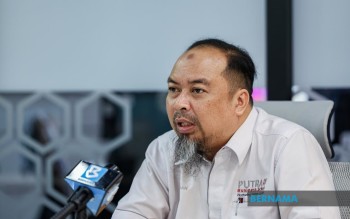
Tomorrow's parliamentary debate on the Royal Commission of Inquiry findings concerning Lembaga Tabung Haji will present a critical opportunity for lawmakers to demonstrate commitment to institutional reform, according to a prominent business educator. Prof Dr Ahmed Razman Abdul Latiff, who directs the MBA programme at Putra Business School, has stressed that the focus must be on safeguarding TH from political involvement and ensuring the institution operates under professional leadership insulated from partisan pressures.
The RCI's investigation uncovered significant governance failures, including substantial financial losses, questionable bonus arrangements, conflicts of interest amongst decision-makers, and capital allocations that failed to generate returns. Rather than allowing these findings to become ammunition in political disputes, Ahmed Razman contends the parliamentary forum should serve as a platform for constructive examination of how institutional controls can be strengthened. The recommendations emerging from debate should provide clear pathways for improvement that restore depositor confidence and demonstrate that lessons have been learned from past mismanagement.
A central concern Ahmed Razman raises is the composition of TH's board and leadership structure. He emphasises that future appointments must prioritise professional expertise and demonstrated integrity over political considerations. The practice of allocating board positions as political patronage has historically undermined governance effectiveness and created environments where individual interests supersede institutional responsibilities. Moving forward, selection processes should be transparent and based on merit, ensuring that individuals leading TH possess the requisite financial acumen, risk management experience, and commitment to the institution's core mission of serving Muslim pilgrims and savers.
The academic also advocates for the parliamentary debate to be conducted in a manner that elevates public discourse rather than diminishing it. Rather than becoming a forum where opposing political factions compete to assign blame or score points, the session should focus on substantive discussion of how institutional reforms will be implemented and monitored. This approach would demonstrate to TH depositors and the broader public that their concerns are being taken seriously through deliberative process rather than being treated as a backdrop for partisan grandstanding.
Transparency in any subsequent enforcement actions will be equally vital for rebuilding public trust. Ahmed Razman highlights that if individuals are found responsible for governance failures during the investigation period, any consequences must be pursued and explained openly. The danger lies in selective accountability, where certain individuals face consequences while others escape scrutiny, creating perceptions of favouritism or politically-motivated enforcement. A consistent and visible approach to holding individuals accountable would demonstrate that reforms are genuine rather than superficial gestures.
Concerns among TH's depositors, which have mounted in the wake of the RCI report's disclosures, require measured reassurance grounded in legal protections and demonstrated recovery momentum. Unlike commercial bank deposits, which fall under limited government guarantee schemes, TH savings are fully protected by government guarantee under existing legislation. This distinction provides substantive comfort beyond rhetorical reassurance, though public communication of this legal protection requires clarity and prominence during parliamentary discussion.
Significantly, TH's implementation record provides grounds for cautious optimism regarding institutional recovery. The fund management institution has already adopted more than three-quarters of the RCI's improvement recommendations, suggesting that leadership has embraced the reform agenda and begun translating identified weaknesses into concrete operational improvements. This progress indicates that TH is positioned on a trajectory toward sounder financial practices and more robust governance frameworks, though continued vigilance remains necessary.
The special parliamentary sitting, commencing with a ministerial briefing from Minister in the Prime Minister's Department (Religious Affairs) Dr Zulkifli Hasan, will establish the tenor for how the nation's elected representatives approach this sensitive issue. The question-and-answer format and subsequent debate will reveal whether lawmakers are genuinely committed to institutional strengthening or whether they intend to weaponise the RCI findings for political advantage. Ahmed Razman's call for a fact-based, constructive approach reflects a broader imperative: that major governance crises should prompt genuine institutional reflection rather than becoming partisan spectacles.
For Malaysian and Southeast Asian stakeholders, this moment carries broader implications for how Islamic finance institutions maintain public confidence and demonstrate governance integrity. TH's experience underscores the importance of robust independent oversight, merit-based leadership selection, and transparent accountability mechanisms. As Islamic finance grows increasingly central to Malaysia's financial architecture and as other nations in the region develop comparable institutions, the standards set through TH's reform process will establish benchmarks for governance expectations across the sector.

