Thailand's government has put on hold a critical round of peace negotiations with southern insurgent groups, cancelling talks originally set for September in Malaysia. The decision came after a violent assault in Narathiwat province last week left five rangers dead and six civilians injured, including a young child. The postponement signals how fragile the peace process remains in Thailand's restive southern border region, where decades of conflict have claimed thousands of lives.
Thanat Suwannanont, director of the National Intelligence Agency and head of Thailand's Southern Border Provinces Peace Dialogue Panel, acknowledged that the dialogue had been progressing positively before the attack derailed momentum. Speaking to reporters, he expressed frustration that the violence had forced negotiators to reset their efforts, undermining weeks of preparatory work. The official indicated that although preliminary arrangements had been finalised, the severity of the incident necessitated a complete reassessment of the government's approach to engaging the armed groups.
The attack occurred on July 22 when six masked gunmen opened fire and threw pipe bombs at a security checkpoint in Ban Bukit Sami, Rangae district, around 6.45 pm local time. The assault demonstrated the capacity of insurgent fighters to strike critical military installations despite increased security measures. Beyond the five rangers killed, the attack wounded six civilians, among them a three-year-old girl, highlighting how such violence affects communities in the border provinces regardless of intended targets.
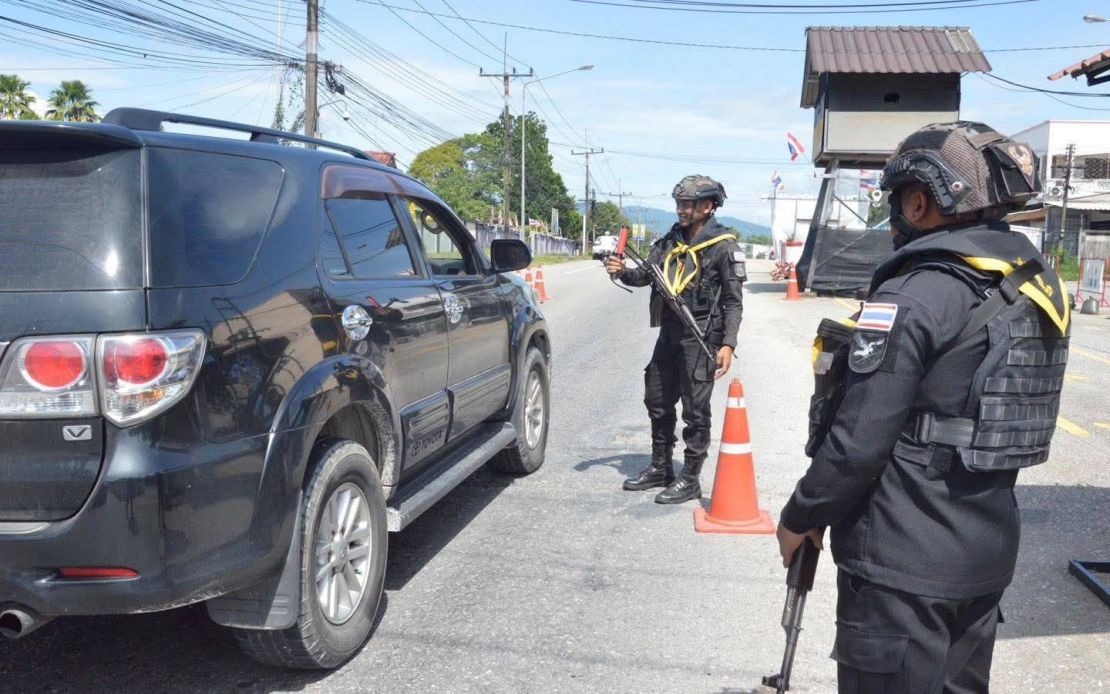
In response, Thai authorities expanded their security response dramatically. Martial Law was imposed across 13 districts of Narathiwat province to facilitate manhunts for the perpetrators and strengthen overall security infrastructure. The Internal Security Operations Command Region 4 confirmed that courts had issued arrest warrants for two suspects aged 45 and 43, both identified as linked to the July 22 assault. Investigators charged them with acts of terrorism, premeditated murder of government officials, armed robbery resulting in death, and firearms and explosives offences.
Thanat's comments reveal the complex calculus facing Thai policymakers. He noted that while individual fighters might act on instinct, such actions during an active dialogue process create enormous political pressure to suspend negotiations. The government argues that restarting talks after violence sends contradictory signals about the cost of attacks. Yet Thanat also acknowledged Prime Minister Anutin Charnvirakul's continued commitment to dialogue as a long-term strategic approach rather than a reaction to isolated incidents, suggesting the suspension may be temporary rather than permanent.
The timing of this attack matters significantly for regional stability. Thailand has been conducting these peace negotiations with Malaysian mediation for years, with the process representing one of the few diplomatic channels between Bangkok and the armed groups operating in Pattani, Yala, and Narathiwat provinces. The southern insurgency, rooted in historical and cultural grievances, remains one of Southeast Asia's longest-running armed conflicts. Disruptions to dialogue mechanisms risk pushing the region back toward cycles of tit-for-tat violence that characterised earlier decades.
For Malaysian policymakers and observers, the postponement of talks scheduled to occur on Malaysian soil carries implications beyond bilateral relations. As a neighbouring country hosting negotiations, Malaysia's role as neutral mediator is crucial to any eventual resolution. When such talks collapse or suspend, it affects Malaysia's diplomatic standing and raises questions about the country's capacity to facilitate peace in its own region. Malaysian security services are also concerned with spillover effects from southern Thailand's instability, including refugee flows and cross-border militant activity.
The government's letter to insurgent groups seeking explanation for the attack represents an attempt to maintain diplomatic channels even as formal negotiations pause. This measured response suggests officials hope the suspension will be brief enough to preserve the dialogue architecture. Thanat's emphasis that negotiations must follow established processes and require patience indicates the government is thinking in terms of months rather than years of suspension, though no timeline has been announced.
Operational security measures accompany the diplomatic pause. Military forces have been authorised to establish roadblocks throughout Narathiwat whenever intelligence suggests suspects are present, giving security forces broad operational flexibility. This dual approach—pausing talks while intensifying security operations—reflects Thailand's ongoing struggle to balance coercive and diplomatic strategies in addressing the southern insurgency. Success requires progress on both fronts, yet they often work at cross purposes.
The broader question is whether this suspension will strengthen or weaken long-term prospects for peace. Analysts suggest that using violence as leverage to extract concessions during negotiations is counterproductive, yet it remains a tactic employed by insurgent factions. Thai officials must now navigate explaining to the public why they resume talks with groups whose members conduct such attacks, a politically sensitive calculation in a country where security and national pride feature prominently in public discourse.
The incident underscores that substantial factions within the southern insurgency may oppose negotiated settlements, preferring continued armed struggle. Not all insurgent groups are monolithic, and splinter elements may deliberately stage attacks to sabotage peace processes they view as betrayals of their cause. Thailand's challenge involves engaging moderate elements willing to negotiate while containing hardline factions committed to perpetual conflict, a distinction that becomes blurred when violence erupts during peace talks.
As the region watches developments unfold, the suspension represents a setback but not necessarily a collapse of the peace process. Thailand's demonstrated willingness to maintain the dialogue panel despite violence, coupled with Malaysia's continued availability to host future talks, suggests the framework remains intact. However, each attack and each suspension erodes confidence among all parties that negotiations can succeed, potentially pushing the timeline toward resolution further into the future.

